Cloudy Kitchen

  • recipes
    • Breads
    • Brownies
    • Cakes
    • Choux
    • Cookies
    • Doughnuts
    • Ice Cream
    • Macarons
    • Pies
    • Quickbreads
    • Small Batch Baking
    • More →
  • about
  • contact
  • products
menu icon
go to homepage
  • recipes
  • about
  • contact
  • products
  • calculators
  • subscribe
    • Facebook
    • Instagram
    • Pinterest
    • TikTok
  • search icon
    Homepage link
    • recipes
    • about
    • contact
    • products
    • calculators
    • subscribe
    • Facebook
    • Instagram
    • Pinterest
    • TikTok
  • ×
    Home

    Soft and Buttery Parker House Rolls

    Baked Parker House Rolls

    Soft and Buttery Homemade Parker House Rolls are a super fun shaped dinner rolls. Made with an easy white bread dough recipe, they are fun to make and perfectly soft. Shape these as the traditional parker house rolls, or divide the dough up and shape into classic round rolls - they are perfect either way. These rolls can be made all in one day, or you can work ahead and give the dough an overnight rise.

    Baked Parker House Rolls
    The more traditional folded over Parker House Roll shape

    Hi hi! I am just popping in to share this super easy Parker House Roll recipe with you! I love making homemade bread recipes, and I truly think that bread rolls are one of my most favourite things to make. The process is so fun, and the final product is so satisfying.

    These Parker House Rolls are a recipe that I am super proud of and so excited to share with you. They use my base white bread dough recipe, and are soft, fluffy, and just so buttery.

    There are a few ways to make them - I explain both in the post. You can either make 12 regular round rolls, or divide the dough into 18 to shape them into more of the signature Parker House Roll shape, which is super fun to make and very easy!

    This Parker House Roll recipe is a great option if you are just learning how to bake bread, or if you're a seasoned baker. To me, this is the perfect bread roll, and the options to finish them however you like are endless! I hope you enjoy them as much as we have!

    baked bread rolls in pan
    baked parker house rolls in pan

    What are Parker House Rolls?

    Parker House Rolls are a kind of dinner roll - they typically have a folded over shape, although they can be made as a regular roll too. The name apparantely came from the Parker House hotel in Boston in the 1870s where a frustrated baker threw a half finished batch of rolls into the oven (Honestly, I get it).

    Parker house rolls are a kind of dinner roll, but not all dinner rolls are Parker House Rolls, if that makes sense! I wanted to play around with the traditional shape, which is super easy to do and also gives an amazing textured roll - slightly crusty on the outside, perfectly golden brown, then super buttery on the inside from brushing the dough with butter before you fold up the roll.

    My version are soft, fluffy, and super buttery. They get baked until perfectly golden brown, then get a good old bath in butter when they come out of the oven. Just the best, truly. I'll be making them year round.

    two shapes of parker house rolls
    One batch of dough, two formats - round rolls up the top and folded Parker House Rolls down the bottom.

    One Dough, Two Formats

    I made this Parker House Roll recipe two ways - as 12 round rolls, or as 18 folded Parker House Rolls.

    Both formats work great, I just love having options and I know that you do too! The white bread dough recipe is definitely going to be a staple in my house - I just love how easy these rolls are to make.

    The dough recipe can also be used to make white bread loaf - so if you like you can split up the dough recipe to make half into rolls and the other half into a loaf of bread, or I often double it and make both bread rolls and loaves so I can pop some into the freezer.

    For all the tips and tricks on how to make perfect white bread dough, along with ingredient questions and information on the first rise, please check out my White Bread Dough recipe! This recipe requires you to make the dough first following the instructions on the post.

    risen dinner rolls
    inside texture of a bread roll

    Tips and Tricks for making Parker House Rolls

    I have probably made bread hundreds of times now in my career as a baking blogger (I mean I have made these about 20 times in the last few months, I think Adventure dad is about 80% bread roll at this point), and here are the tips and tricks I have picked up along the way to make sure that things go as well as they can.

    Remember that it does take a little practice to get the hang of working with dough, but this one is nice and soft but not too sticky so it is fairly easy to work with.

    Make sure your dough is properly proofed.

    This is a super crucial step - make sure that the dough is risen before you shape your Parker House Rolls. I cover this in huge detail in my white bread dough recipe - you can either do the first rise overnight in the fridge, or at room temperature. I find room temperature dough slightly easier to work with when it comes to shaping the dough into round rolls and getting a nice smooth surface, but it also will work just fine if you want to do that first rise overnight. For the folded over Parker House Rolls, chilled dough is nice and easy to roll out. Just make sure that you leave the dough at room temperature for 30 minutes or so before shaping, and remember that it will take longer to do the second rise as you are starting with slightly cooler dough. Either works great, just do what suits your schedule.

    Use enough flour but not too much.

    When you are shaping rolls, you want a little flour on your counter top but not too much, especially if you are shaping into round rolls. Just use enough to help the dough not stick - dust a little down before rolling out the folded version of the rolls.

    Use a scale to weigh things out.

    If you have been here for any amount of time you know I am FIERCELY team scale - it is so so helpful for making Parker House Rolls and other bread recipes. You have to divide the dough into either 12 or 18 pieces here, and there is just no way that you can eyeball that accurately. Things are going to get super wonky. Use a scale. This is actually one of my favourite parts of making bread - trying to get the perfect weight of each piece of dough each time is so much fun (maybe it's just me but it's the best when you nail the size of the dough ball first time).

    Give yourself enough time.

    I always tend to underestimate how long bread will take me (I never remember to account for the time that they are actually in the oven!) - by the time you get all the bits and pieces together, it can take a while and you can't really rush the rising of bread too much, so make sure you do account for enough time. Here is how long the process usually takes me:

    • Make the dough - 15 to 20 minutes, by the time I get it all done and in the bowl to rise.
    • Bulk Rising - anywhere from 60 minutes to 1 ½ hours depending on the temperature of the dough. If I want this to take longer I often start with cold milk (which is fine if you are using instant yeast as it does not have to be activated), and this will buy me a little more time. Alternatively the first rise can be done overnight - see my white bread dough post for information on this.
    • Shaping - 20 minutes. I like to divide the dough up and shape it into balls then give it 10 minutes to rest on the counter to relax slightly before rolling out and shaping into folded rolls or re rolling for round rolls.
    • Second Rise. This usually takes an hour for this recipe if the first rise was at room temperature, but again, this will depend on how warm your kitchen is and how warm your dough was to begin with.
    • Baking. Allow 30 minutes for this. The rolls usually bake in about 25 minutes. I love to serve them super warm from the oven, but you do you here - they are also perfect baked earlier in the day (or even the night before) and then re warmed.

    Remember that if you are worried the rolls will overproof before they get to the oven (if there are other things baking and the rolls have to wait their turn etc), that you can always pop them into the fridge to slow down the rising process. Don't do the whole rising process in the fridge (they overproof big time and it is so sad, see further down the post), but if you need to buy yourself 10-15 minutes and don't want them to overproof, the fridge is your friend.

    Don't worry if they come out a bit wonky.

    Making bread is practice. Sometimes I find it really hard to get a nice smooth surface on the rolls, or you end up with a few bubbles or one busts out in the oven. They will still taste good regardless! Homemade bread always does.

    parker house rolls ready to rise
    baked parker house rolls

    How to shape Parker House Rolls two ways

    I have included two ways to shape these Parker House Rolls - we will call them the 'round rolls' and the 'folded over' rolls. There are detailed pictures below on how to shape each type.

    I love both formats - the round rolls are great for making sliders or sandwiches, but there is just something so special about the folded over version. The inside gets this amazing texture, and there is a little pocket of butter in the middle of each one which makes that part of the dough super soft. You also get the maximum amount of area where the rolls touch which is my very favourite part of bread.

    As the traditional folded over shape:

    Step 1: DIVIDE. We are dividing the dough into 18 here - the rolls will sit in three rows of six. Plop your dough out onto a lightly floured work surface, and divide into 18 pieces - each should weigh about 45g each but weigh your overall dough first to double check this.

    Shape each into a ball, and then leave to rest for 10 minutes or so to let them relax a little (if you are in a hurry you can skip this step).

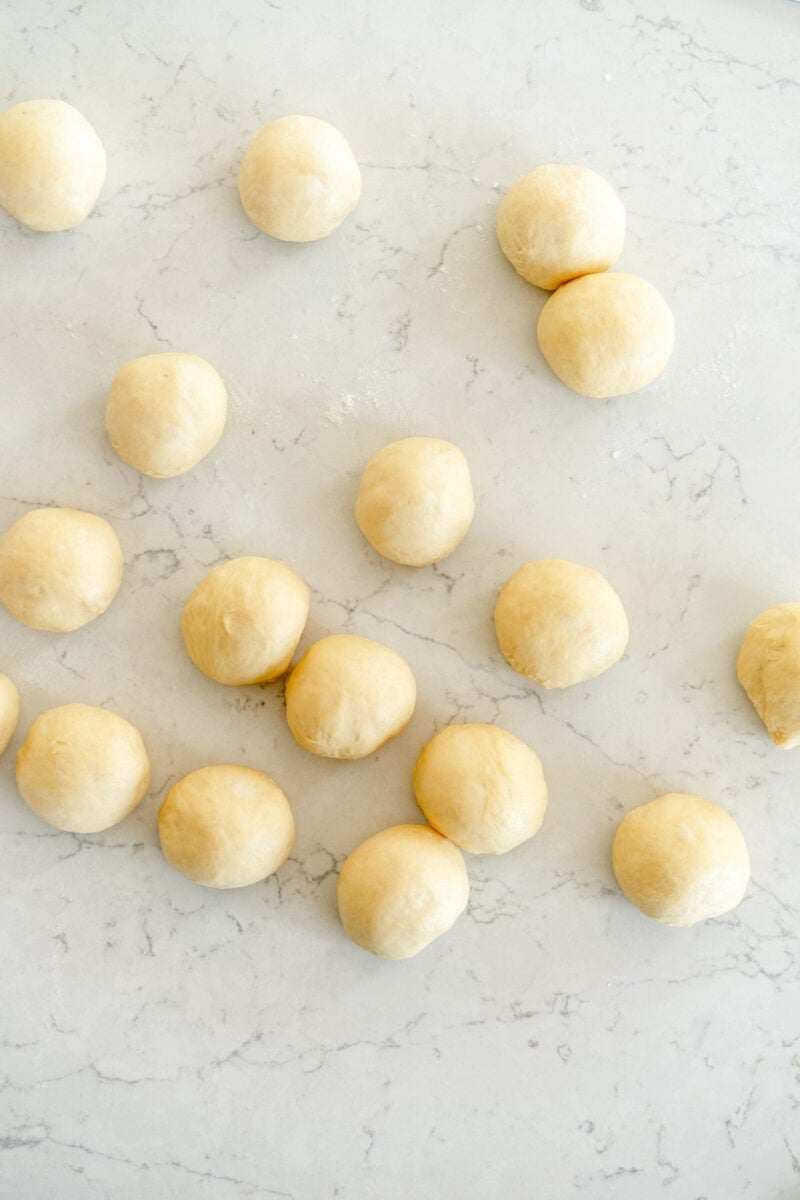
    Divided balls of dough
    Divide into 18 pieces.
    dough shaped into balls
    Ball each up and leave to rest.

    Step 2: FLATTEN. Work with one dough ball at a time. Lightly flour the surface if needed. Remember you are rolling it out and you don't want the dough to stick, so a little bit of flour is your friend here. Flatten the dough ball out with your hand.

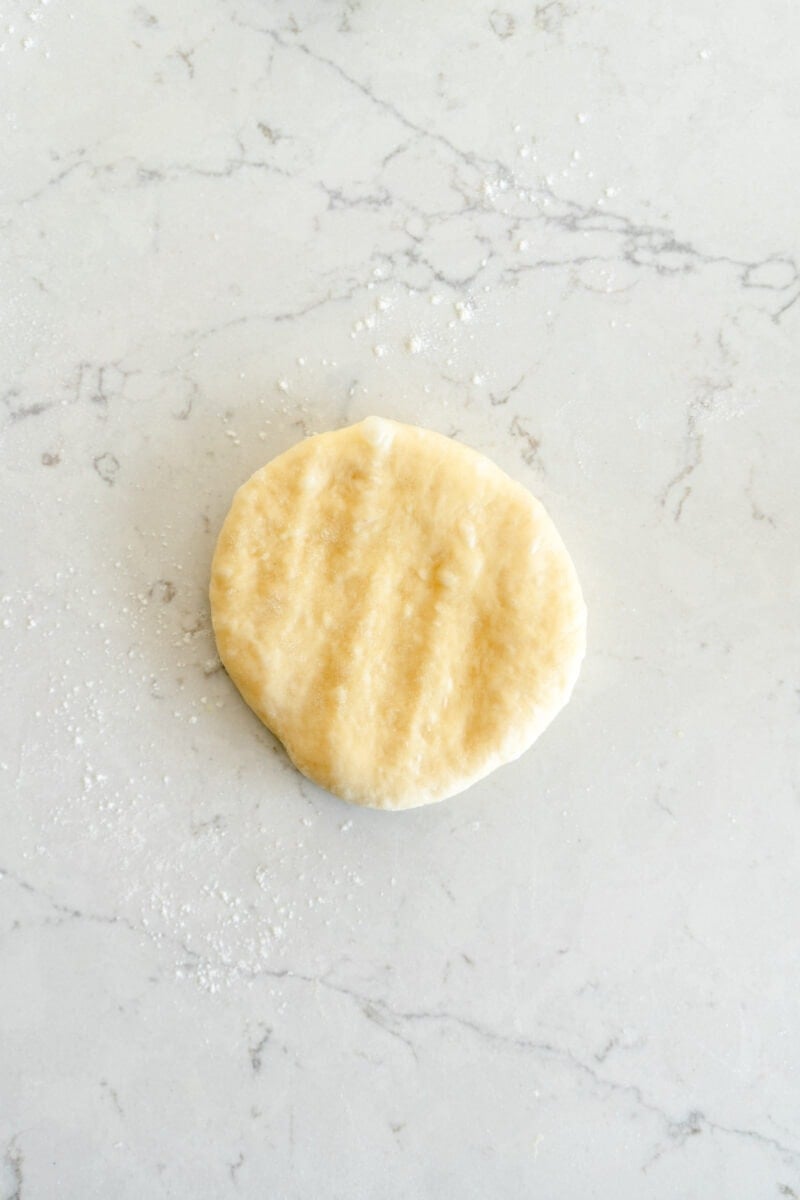
    ball of dough
    Work with one piece of dough at a time.
    flattened out ball of dough
    Flatten with your hand.

    Step 3: ROLL. Using a rolling pin, roll the dough out into a long oval shape. Aim for approximately 16 cm / 6 inches long.

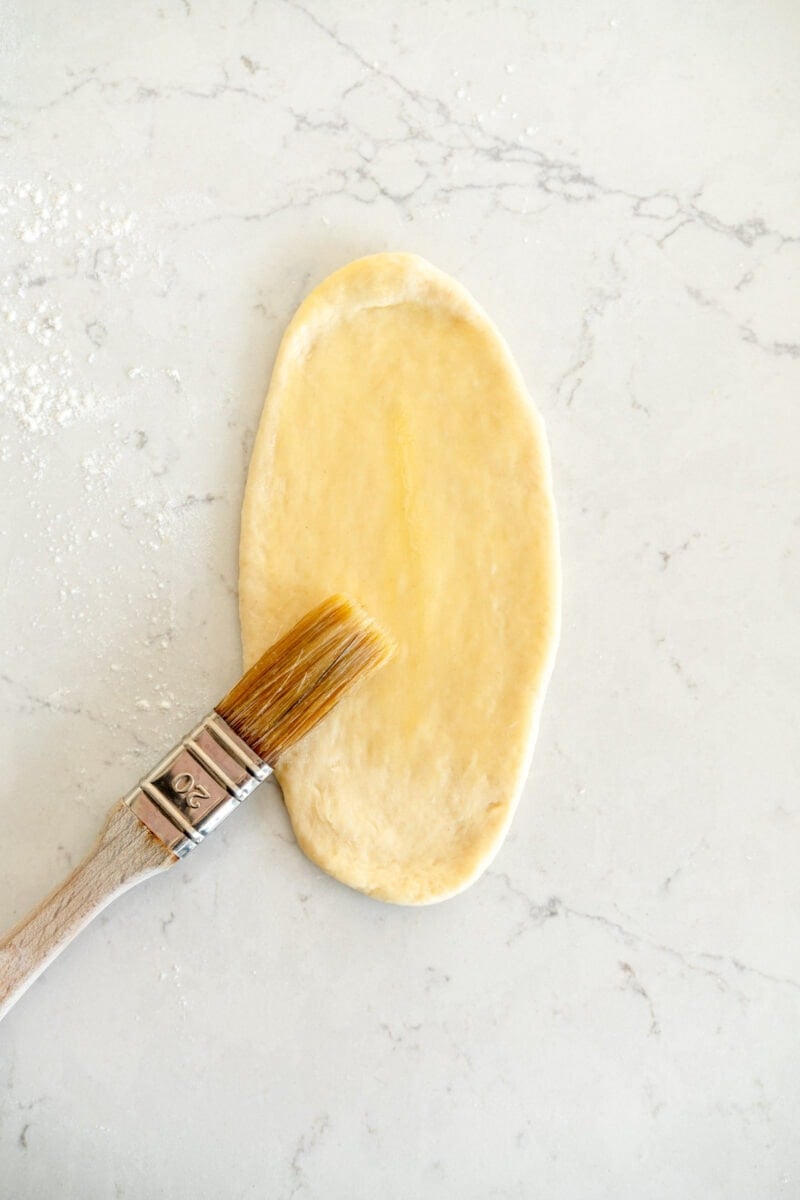
    Step 4: BUTTER. Brush the oval of dough with butter.
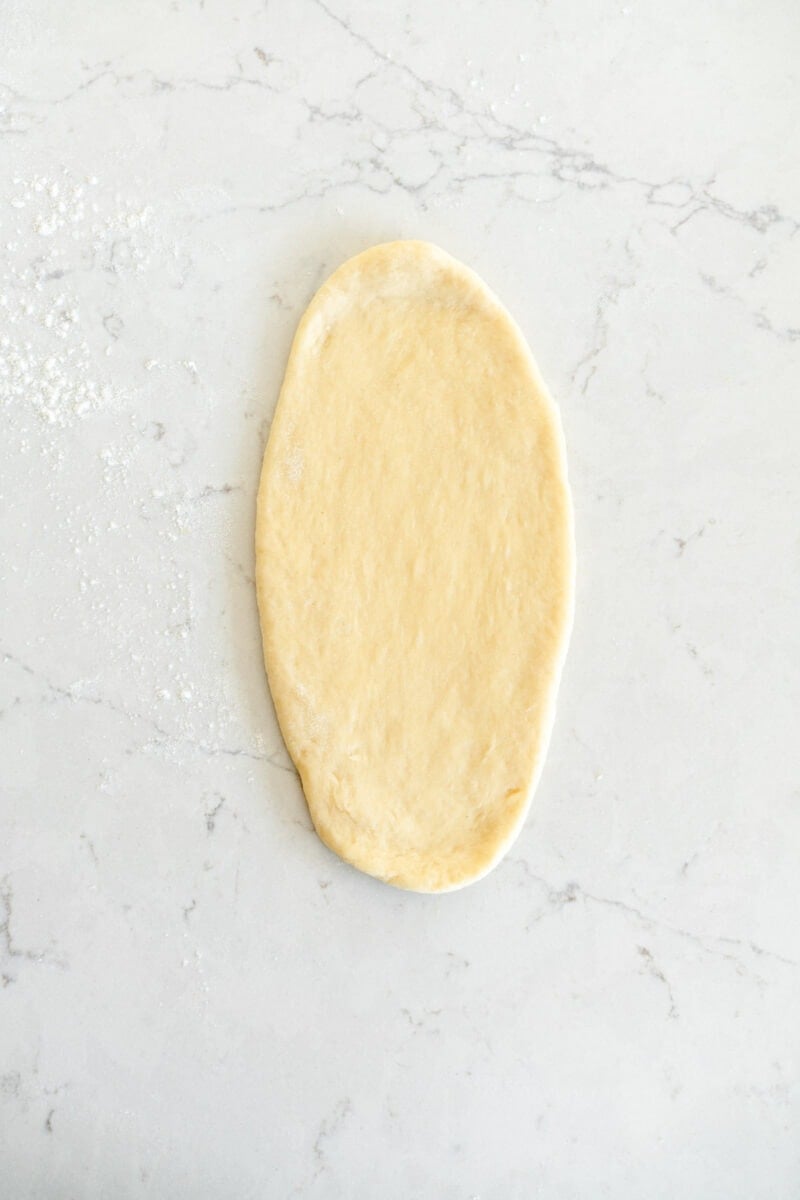
    Rolled out dough ready to brush with butter
    Roll out the dough into an oval.
    brush with butter
    Brush with melted butter.

    Step 5: FOLD. Fold the dough over to form a clamshell shape of folded dough. Arrange in the pan - I do 3 rows of 6 rolls. I like to work in vertical lines so that I can make sure that they all line up nicely. Make sure there is enough room for them to fit. I use a 9"x13" (20x30cm) pan.

    Folded up Roll
    Fold up to form a clamshell
    parker house rolls ready to rise
    Arrange in the pan.

    As a round 'regular' roll:

    Step 1: DIVIDE. I shape this format of dough into 12, so turn your dough out onto a lightly floured surface and divide into 12 pieces, they should each weigh about 70g.

    Step 2: SHAPE. Shape each one into a tight ball. Working with one piece at a time, flatten the dough and tuck the edges of the roll together to form a ball, then put the dough ball tucked side down and roll into a tight ball by cupping your hand into a 'claw' shape and using it to roll the dough ball. Use the tension from the counter to help with this - don't use too much flour here or you won't be able to get a good grip.

    white bread dough ready to be shaped
    Dough ready to be divided
    bread rolls ready to be shaped
    Balls of dough after their first shape

    Step 3: REST. Cover the dough balls with a clean tea towel or plastic wrap and leave to rest for 10 minutes or so to relax a little.

    Step 4: RE-ROLL. This step really helps give nicely shaped rolls. Once the rolls have rested, give them a quick re-roll (don't re-shape them, just repeat the claw hand shaping). This just makes sure that they are extra tightly rolled and will give nice fluffy bouncy rolls.

    rising bread rolls in pan
    risen bread rolls

    How to tell when Parker House Rolls are risen

    The second rise (if the first rise has been done at room temperature) for these Parker House Rolls usually takes about an hour, depending on the temperature of your kitchen. If it is warmer it will go quicker, cooler then it will go slower. If you started with doing the bulk fermentation overnight, then it will take about 2-3 hours for the shaped dough to warm up and rise again.

    It is important to go by how the dough looks, not a specific time. The best way to tell if bread is risen is by giving it the finger poke test - lightly flour a finger and then gently poke the surface of a roll. If it is not fully risen then the dough will spring back. If it is ready, it will leave an indentation that slowly springs back.

    risen parker house rolls ready to bake

    How to bake Parker House Rolls: Egg wash and then butter

    I like to give my Parker House Rolls a coating of Egg wash before baking, then finish with butter after they come out of the oven.

    Egg wash helps with browning - giving the dough a lovely golden brown and slightly shiny finish. If you do not have an extra egg on hand, I cover lots of alternatives in my egg wash post!

    Once the rolls are baked, I like to give them a good coating of melted butter just to finish them off. I usually just use regular salted butter for this (or Unsalted with salt added), but you can do a garlic butter, a herb butter, a honey butter, whatever takes your fancy here.

    If you are making the round rolls rather than the folded rolls, you can also give the rolls a butter bath half way through the baking process. About 15 minutes after they have started baking, remove from the oven, and brush all over with melted butter. Return them to the oven to finish baking, then add butter again.

    How to tell when bread rolls are done baking

    You can tell the rolls are done baking when they are pulling away from the sides of the pan and are evenly golden brown. This usually takes about 25 minutes in my oven.

    If you want to double check this, you can use a digital thermometer - a lightly enriched dough like this one will temp at 190°f / 88°c when fully baked.

    bread rolls getting egg wash
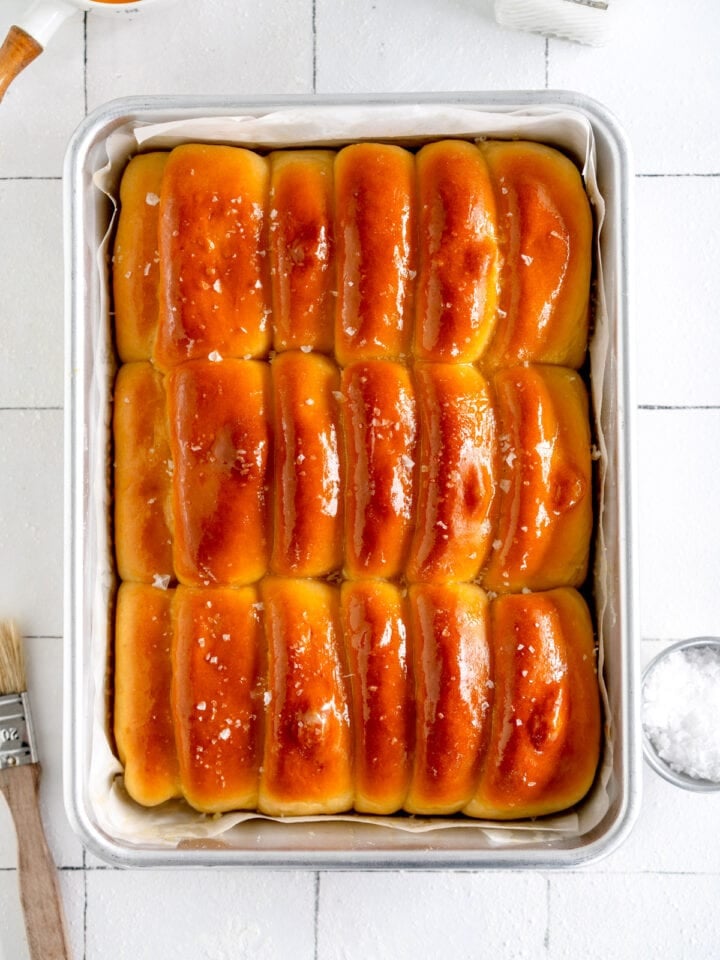
    tray of baked parker house rolls brushed with butter and finished with salt

    How do you store Parker House Rolls?

    Parker House Rolls are best eaten fresh on the day that they are made but store super well in an airtight container at room temperature. Refresh in the oven or microwave, or lightly toast if you are eating them after the day that they are made. They should keep for 3-4 days.

    Can Parker House Rolls be made ahead of time?

    Yes - there are a few options here.

    Make ahead and reheat.

    The rolls can be fully finished ahead of time and then reheated to serve. If you do this, I like to leave off the final butter coating until just before I serve them. I often add a sprinkle of flaky sea salt to the tops of the rolls too, and make sure to only do this just before serving as the salt can make them go a bit weird and soggy.

    To reheat the Parker house rolls, cover the pan with foil and place into a 350°f / 180°c oven for 10-15 minutes to re-warm, then remove the foil and warm for a further 2 minutes or so with the foil off to make sure there isn't any moisture hiding on the rolls, then finish with the melted butter.

    Make ahead and freeze.

    The great thing about this bread recipe is that it freezes super well. I haven't tested freezing the unbaked dough ahead of time, but I freeze baked bread all the time.

    To freeze baked rolls, bake as directed but do not brush with the melted butter. Leave to cool then place into a ziploc or wrap well with plastic wrap. Store for up to 3 months. To serve, defrost at room temperature then re warm following the instructions above.

    brushing bread rolls with butter

    Can I do one or both rises in the fridge?

    I wasn't initially planning on this, but I ended up going on a deep dive to test this. I made a double batch of my white bread dough, and ran a few tests just so I could show you what works best and what doesn't.

    I often get asked if people can do the second rise in the fridge, and my answer is no. It leads to overproofing the rolls as they spend too long in the fridge, and the dough totally deflates when you go to bake it.

    Overproofing is when the yeast in the recipe runs out of energy, and has no more to give in the oven, leading to dense, flat rolls rather than the nice soft fluffy rolls that we want. Overproofed rolls are still edible, they just won't be as nice and fluffy.

    Here is what I tested and the results:

    Room temperature first rise and fridge second rise.

    I rose the dough as directed at room temperature, then shaped into 6 rolls and a loaf, and did the second rise in the fridge. They had 15 hours in the fridge for the second rise, and already looked overproofed when I took them out. I left them at room temperature for 2 hours so they could warm up slightly before baking, and then baked them off.

    Result: Overproofed rolls. I do not recommend this method.

    Fridge first rise and room temperature second rise.

    If you are going to do a component of these rolls ahead of time, doing the first rise in the fridge is the way to go. I made the dough and shaped it, then gave it overnight in the fridge (from experience you can do up to 24 hours) then shaped the rolls as directed and rose and baked. They turned out basically the same as the rolls which had had both their first and second rise at room temperature, and baked up nice and fluffy as the yeast still had energy to give in the oven.

    Result: Properly proofed rolls. I recommend this method - just make sure that you allow time for the dough to warm up slightly before shaping and allow for more time for them to rise before baking.

    testing dinner roll rise times
    Testing all the different methods of fridge rising and room temperature rising.

    The results.

    The images below show the results - you can see that the top rolls, which had a fridge first rise and a room temperature second rise, were much nicer - they baked up super fluffy and round as they should.

    The bottom pan of rolls which had their second rise in the fridge overnight were already looking quite sad when I took them out of the fridge to warm up. There was just no way that they were going to perk up.

    If your dough overproofs on the first rise it is possible to save it by just punching it down and shaping and proceeding, however if it happens on the second rise, the rolls will bake up much flatter.

    To me, it is just not worth doing the second rise overnight. You do not save any more time, and the risk of overproofing the dough is too high.

    over proofed vs proofed buns
    Top pan: fridge first rise, room temp second
    baked proofed vs overproofed
    Bottom pan: room temp first rise, fridge second.

    This is the image which is the craziest to me - these were the EXACT same batch of dough, but the ones on the left had a fridge first rise and a room temperature second rise, and the ones on the right had a room temperature first rise and a fridge second rise. They totally overproofed, and were nowhere near as fluffy - if you didn't know, you would have thought it was a totally different recipe.

    proofed vs overproofed buns
    Huge difference in height of the rolls
    interior of proofed vs overproofed
    Very different interior texture

    ❤️ Made this recipe and love it? ❤️

    I would LOVE for you to leave me a review and star rating below to let me know how you liked it! Also, please make sure to tag me on Instagram!

    Answers to your baking questions

    Over the years, many of you have asked me questions about:

    • baking in grams
    • adjusting oven temperatures
    • what kind of salt to use
    • and many more!

    I've curated and answered them all for your easy reference in this frequently asked questions post!
    Filed Under: Breads, Savoury Breads

    Soft and Fluffy White Bread Loaf

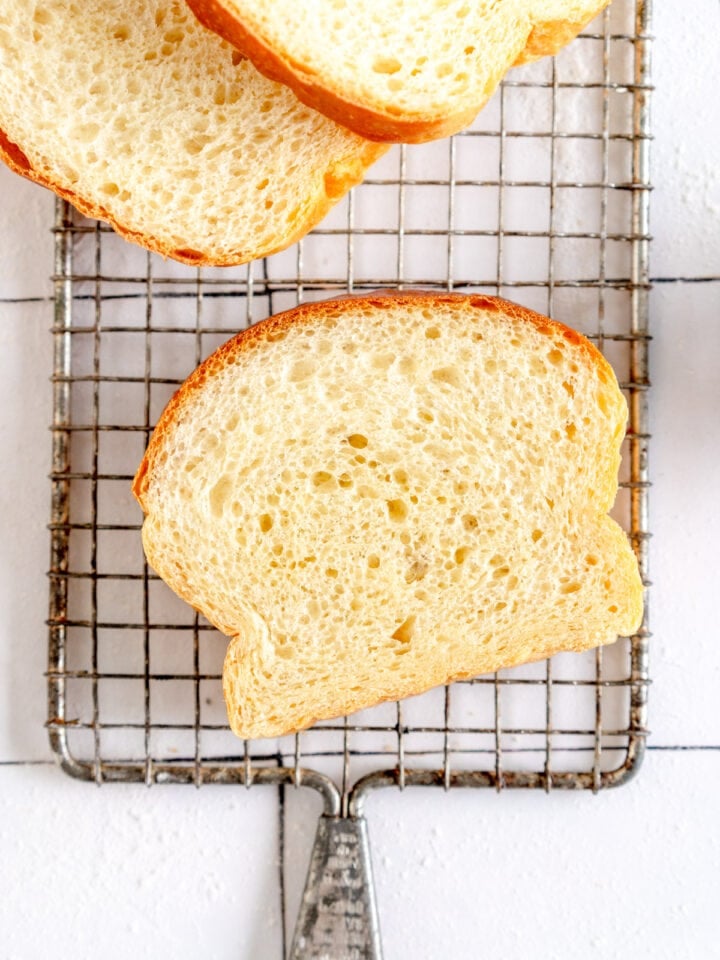
    slice of white bread on rack

    Soft and fluffy white bread recipe - made with a simple white bread dough, this easy bread recipe makes two perfect loaves of white bread. The recipe uses simple ingredients and gives a light, soft bread that is perfect for slicing. Follow my step-by-step recipe and comprehensive guide to make the most amazing loaf of homemade bread.

    slice of white bread on rack
    The perfect white bread loaf - great for sandwiches or toast!

    Hi hi! I am just popping in with this super easy white bread recipe! This recipe makes two loaves of white bread, and uses my base white bread dough recipe. It is super easy to make, and is a great way to learn to bake bread if you are just getting started.

    I love everything about this bread recipe - it is soft and fluffy, but the dough is still really easy to work with. The bread keeps for a few days and makes the most amazing toast, and the leftovers make the most amazing garlic bread. I often bake one loaf and then pop the other one in the freezer for another time.

    I wanted something that wasn't too fussy to make and used ingredients I already had in the house. We usually eat this fresh, but it does make the most amazing toast too - we often eat it with egg salad, or my Husband loves it toasted with Nutella.

    I played around with multiple variations of this recipe, so check out the post for all my tips and tricks on how to make the best white bread loaf!

    end shot of sliced bread
    baked loaf of bread in a pan
    baked loaf of white bread
    Egg wash gives you the most amazing golden crust

    Two Perfect Loaves of Bread

    This white bread recipe makes two loaves of bread - I often throw one in the freezer or gift one. I figure that if you are going to go to the effort to make your own homemade bread, then you might as well get two loaves out of it - it isn't really any extra effort.

    I have two of the same loaf pans that I use for this white bread loaf recipe, but you can really shape it to fit as you like - alternatively the dough recipe is identical to the one that I use for my Parker House Roll recipe, so you could divide the dough into two and shape half into a loaf and half into bread rolls to use for something else.

    end shot of a loaf of bread
    slices of white bread
    loaf of bread ready to bake
    Perfectly risen - see how the dough surface is nice and smooth and hasn't collapsed in on itself at all which can be a sign of overproofing.

    How to shape a loaf of bread for a loaf pan my way

    This can definitely take a bit of practice, but once you get it sorted, you will be fine. Don't be afraid of dough shaping - worst case scenario your dough comes out a bit wonky and you know what to fix next time.

    This works for any pan size - just make the initial rectangle about the same length as the pan is. Remember that it is ok for the dough to not be as long as the pan is when you just put it in after shaping - you can see by the pictures that it fills the pan.

    Here is a step by step guide on how to shape dough into a loaf pan. This is just how I do it. If you have a way to shape a loaf of bread that works better for you, then go for it and use that instead!

    balls of bread dough
    Flattened out bread dough

    Step One: DIVIDE. My white bread dough recipe makes enough for two loaves of white bread (or one loaf of white bread and a small batch of something else). You want to work with one piece of dough at a time, so divide the dough into two pieces.

    This is where it can be helpful to know the weight of the mixing bowl that you were rising the bread dough in, so that you can weigh the whole thing and subtract the weight of the bowl to work out how big each piece needs to be. My recipe makes 850g dough, so you want to divide the dough into two pieces, each weighing 425g each. Remember if you have adjusted any ingredients or your eggs are heavier or lighter than mine etc this may differ but just make sure that they are approximately the right size.

    Divide the dough into two pieces, and then shape each into a tight ball using a bench scraper. Use a lightly floured surface if you need to but try not to use too much additional flour so it doesn't get rolled up in the dough.

    Rest the dough balls under a clean tea towel or turn a bowl upside down on them and leave for 10 minutes just to let the gluten relax a little.

    Step Two: FLATTEN. Work with one piece of dough at a time. Lightly flour the dough ball, and then turn it over. Dough balls have two sides - the 'good' side and then the butt of the dough ball, which will not be as smooth from shaping it into a ball. You want the 'good' side on the bottom as this is going to be the outward facing side and you want the smooth side out.

    If there are any big bubbles in the dough, pop them (see that one on the left of the dough that I should have popped with my fingers)

    Flatten the dough into a rectangle using your hands - you want it to be about the width that your bread pan is long.

    shaping bread dough into a loaf shape
    rolled up loaf of bread

    Step Three: FOLD. Fold the edges in - this gives you a nice clean end on the log of dough, rather than having to deal with little dough tails you have to tuck in afterward. I like to fold the sides in just a little bit and make sure that they are nicely sealed with my fingers.

    Step Four: ROLL. This is where you shape the actual log of dough. I need to get another photo, but you can either work toward you or away from you - whatever feels best. I like to work away from myself. You are going to roll the dough up into a nice tight sausage shaped package here, and you want to make it nice and tight and make sure that there isn't any air trapped in the loaf so that you don't get weird bubbles (but it's not the end of the world if you do). The rolling stage is sort of a two step - you do an initial little roll to get started and make sure that it is well sealed, then roll the whole thing up.

    Fold the bottom edge of the dough up about a third, and press it down with your fingertips to make sure that you have a good seal. Then continue rolling up the log of dough until you have a nice tight roll. Remember the dough is going to rise again here so don't be too worried about knocking out air.

    Use the countertop to pull the log of dough toward you to create tension underneath to help seal the seam and to help smooth off the top of the dough. Tuck in any loose ends. The dough will look a bit shorter than the length of the pan.

    Repeat with the other piece of dough. They are now ready to rise in a warm spot until you bake them - for me this usually takes about an hour but can be a little more or less time depending on the weather.

    bread dough in loaf pans
    white bread loaves ready to bake

    How to rise white bread loaves.

    The rise on bread dough is a crucial step, particularly the second rise. You want to rise the dough so that the yeast still has enough energy in it to work in the oven to give you a nice, light, fluffy loaf of white bread.

    Lightly cover the loaf pans with plastic wrap - do not make it too tight as you don't want the dough to rise up and get trapped in the plastic wrap. For a 1lb loaf pan which is what I used, a properly risen loaf will just peek over the edge of the pan, as you can see in the image below - this one was perfectly risen and ready to go into the oven.

    How long does the second rise take?

    This really depends on how warm your weather / kitchen is. If it is warmer, this may go a little quicker, as the dough will rise faster and you are also starting the second rise with warmer dough. Whereas if it is a bit cooler, then it may take a little longer.

    The rise time is fully dependent on this, which is why it is important to keep an eye on your dough, and not just go by the time in the recipe. I use a dough proofer when I make bread now so that I can give you super accurate rising times, and I have it set to 22°c / 71°f.

    At this temperature, the second rise on my bread loaves takes about an hour. I start to check them at the 50 minute mark to see how they are going. Remember that ovens can take a while to warm up properly too, so aim to preheat your oven about 20 minutes before you think the loaves will be ready to go into the oven.

    If it is cold in your kitchen, you can do a few things to make a nice warm spot to proof your bread - either in the oven with a bowl of warm water or boiling water in the oven alongside or underneath it to make it nice and warm and steamy, or you can place it in the microwave alongside a mug of boiling water to do the same thing. Just make sure you do NOT PREHEAT YOUR OVEN with bread dough in there. I have done it and it is so, so sad.

    risen bread ready for the oven

    How to tell when dough is risen - the poke test!

    The best way to tell if your dough is properly risen is to give it a finger poke test. Once you have made a few loaves / worked with bread a bit, you get better at telling when it is ready to go into the oven - this step can be difficult to learn but you will get there!

    Lightly flour your finger, and give the dough a gentle poke. If it is not ready to bake yet, the dough will spring back completely. If it is risen adequately, then your finger will leave an indentation that slowly springs back.

    How do I know if my bread is overproofed?

    Overproofed bread happens to the best of us, and it is sad when it happens! What happens when bread overproofs is that the yeast basically runs out of food before the bread gets into the oven, so it does not have any more energy to give, and the bread will collapse.

    You can see in the images below - the loaf on the left is overproofed. In this case it was from testing the second rise in the fridge, but it can also happen if the dough is left too long at room temperature to rise.

    When you do the finger poke test with over proofed dough it will collapse under your fingertips, and then it will not rise in the oven very much, and be flat and a bit more dense.

    overproofed loaf of bread
    Second rise in fridge overnight = overproofed
    properly proofed loaf
    Properly proofed dough ready for the oven - much fluffier

    What happens if I over proof my dough?

    Remember it is not the end of the world and it happens to everyone. The bread will still be edible, it might just not have the nicest texture. If I overproof bread I usually turn it into garlic bread or slice and toast to have alongside soup.

    If you have over proofed the dough on the first rise, it is often possible to just deflate the dough and shape the loaves and then give them a second rise and see how it goes. However if you overproof on the second rise, there isn't as much you can do and you will just need to bake it and have slightly dense bread. It will still taste good and you know what to look for next time!

    You can see in the pictures below the difference between an overproofed loaf (on the left) and a properly proofed on the right - these were made with the same quantity of dough, one was light and fluffy, and the other super dense.

    Can I do the second rise in the fridge?

    I get asked this all the time about if people can do the second rise in the fridge then bake, and I don't recommend it for a few reasons. However, I tested it just so I could really show you how I don't really recommend it. A long slow rise works best for bulk fermentation (where the dough is in one lump), rather than for the second rise.

    It is far too easy to over proof dough on the second rise in the fridge, which is why I do not recommend it. Here is a breakdown of why:

    • Way too easy to over proof. As I was saying, a cold rise in the fridge is too long for this recipe. It works great with a sourdough recipe, but for this recipe made with commercial yeast, it does not work.
    • Ends up taking even longer to make. I know that working ahead of time is what a lot of people prefer, but if you do a room temperature first rise and then try and do the second rise in the fridge, you then still have to bring the loaf out and leave it to come to room temperature to be ok to bake, and this can take 2-3 hours, which is the same amount of time that it takes to rise dough that has had a cold first rise.

    I do however recommend doing the first rise in the fridge if you would like, then shaping the dough and doing the second rise at room temperature. Remember if you start with cold dough it will still take about 2 - 2 ½ hours to rise depending on the temperature of your kitchen, but your risk of overproofing the dough is far less. If you want to make this dough ahead of time, do a cold rise first and a room temperature rise second. I break this down fully in my white bread dough post.

    inside shot overproofed bread loaf
    Overproofed - still edible but very short!
    Exact same recipe but properly proofed.

    Don't get this far and then under bake your bread!

    This white bread recipe takes about 25 minutes in the oven to bake. I like to bake mine until it is nice and golden brown, but if you want yours a little more on the pale side, you can cover the pan with foil partway through the baking process.

    There are a few ways to make sure that your bread is totally baked through before removing it from the oven -

    • The tap test - give the bread a little tap. It should sound slightly hollow.
    • Rise - The bread will be evenly risen in the pan. This loaf bakes up fairly even on the top, so it should be nicely risen in the pan and will bounce back if you give it a little poke. It will also be pulling away from the edges slightly.
    • Temperature. I often use this method when baking bread just to double check my internal temperature of my bread. If you measure bread with a digital thermometer, it will register at 190°f / 88°c when baked. This is an especially good way to check for doneness if you are new to baking bread - this is the sweet spot where the bread is baked but won't be too dry.

    Make sure that you use these cues when testing if bread is baked. If your oven is running hot, it can make the exterior of the loaf look done before the inside is fully baked.

    Because the dough is super soft, the edges of the loaf might collapse in a tiny bit - you can see this in photos. This is just from a lovely soft dough!

    Does egg wash make a difference?

    I like to finish my white bread loaves with egg wash before they go into the oven. This helps to give them a nice golden brown finish. However if you don't have a spare egg on hand, you can use milk or cream to brush on the bread - it just may not be as deeply golden brown!

    I made this bread in New Zealand, and we have super yellow butter, eggs, etc. So when I bake, my bread comes out much more golden brown and yellow looking on the inside than if I had baked it in a country which didn't have the same quality of ingredients. If yours looks a little less yellow or golden than mine, that is all good!

    Sliced bread
    If your edges collapse in a little when you take the bread out of the pan don't worry - it's just from it being a super soft dough!

    ❤️ Made this recipe and love it? ❤️

    I would LOVE for you to leave me a review and star rating below to let me know how you liked it! Also, please make sure to tag me on Instagram!

    Answers to your baking questions

    Over the years, many of you have asked me questions about:

    • baking in grams
    • adjusting oven temperatures
    • what kind of salt to use
    • and many more!

    I've curated and answered them all for your easy reference in this frequently asked questions post!

    Filed Under: Base Recipes, Breads, Savoury Breads

    Super Soft White Bread Dough

    risen white bread dough in a bowl

    This super easy White bread dough is the perfect versatile bread dough. It is easy to work with, and a great place to start if you are new to making homemade bread. It can be used for a wide range of recipes, from a basic white bread loaf recipe to parker house rolls. Follow my detailed step by step guide for all the tips and tricks on how to make your own white bread dough! This dough makes enough for two loaves of bread, or 12 bread rolls.

    risen white bread dough in a bowl
    Perfectly risen white bread dough - if you put the plastic wrap on super tight it gives a lovely smooth top to the dough!

    Hi hi! I am just popping in to share this white bread dough recipe with you! This is one of the new base doughs that we will be working with and using as a base recipe for upcoming bread recipes.

    This is a super simple, basic white bread dough that is enriched with a little egg and butter. It is an incredibly versatile base, and gives a soft and fluffy dough that is really easy to work with.

    This white bread dough recipe makes enough dough for two loaves of white bread, or 12-18 parker house rolls, depending on how you size them. I am so excited to keep developing recipes using this base dough!

    Read this post for all the tips and tricks on how to make a super easy white bread dough, then please refer to the specific recipe for shaping and baking instructions on how to adapt this bread dough recipe for different uses.

    risen bread rolls
    This dough makes amazing parker house rolls which can be done in this format
    Baked Parker House Rolls
    Or you can shape them in the more traditional parker house roll format!

    A base dough - white bread dough

    To me, this is the perfect white bread dough recipe - it is super verstaile, and really easy to make. It does not use a Tangzhong method like my milk bread recipe, and instead just relies on the milk and butter in the dough to help keep it supple. This dough is slightly easier to work with in my opinion, while still giving a really fluffy result.

    This recipe makes enough dough for two loaves of white bread, or 12 to 18 Parker house rolls. Because it makes such a good base it will be great for uses in all kinds of recipes, whether you want to do something fancy with it, or just make a great loaf of bread.

    white bread loaves
    Recipe makes enough for two loaves of white bread.

    Ingredients in White Bread Dough

    The ingredients list for this white bread dough is pretty simple, but they all have a dedicated purpose:

    • Milk and water. I use a mixture of milk and water - milk provides amazing moisture. You can use all milk if you like, but I like to use a little water so that I can add boiling water into the milk to quickly bring it to just under room temperature so I don't have to take the milk out before I start making the bread. Make sure that if you do this, you do it before adding the yeast so the hot liquid does not kill the yeast.
    • Sugar. I use granulated sugar. There is only a little in this recipe and it is there to help feed the yeast. A little sugar also helps with browning.
    • Yeast. I use instant yeast for my recipes as it is super easy and doesn't require activating, and the liquids don't necessarily have to be warm (it will just take longer to rise).
    • Milk powder. Instant milk powder makes bread dough super soft and fluffy and also helps to give it a good rise. It also contributes to the dough staying nice and soft after baking for a little longer than a recipe that does not use milk powder. I use full fat milk powder but if you can only find non-fat or skim that works too.
    • Egg. Egg helps to bind the dough and give it structure. I haven't tried making this recipe egg free - you could probably replace the egg with about 30g milk if you wanted to but I haven't tested this myself.
    • Salt. Essential for any bread recipe.
    • Bread Flour. I use a high protein flour for this dough recipe, as it helps to give the dough strength and texture.
    • Butter. This isn't a super enriched dough, but adding a little butter at the end of the mixing process gives a super soft dough and the butter adds a really nice flavour.
    Divided balls of dough
    Dough shouldn't need too much flour when you are working with it on the bench.

    Common Ingredient Questions

    Can I use Active Dry Yeast?
    You can use active dry (the same quantity) if that is all you have - just make sure that your liquids are lukewarm and mix them with the sugar and yeast and leave to sit for 5-10 minutes until foamy to activate the yeast.

    I do not have milk powder - can I still make these?
    It is not essential - if you do not have it, you can leave it out, but I use it in a ton of my recipes and it keeps super well so it is great to have on hand.

    What is Bread Flour?
    Bread Flour is flour that is higher in protein due to it being made from a 'harder' variety of wheat. A high protein flour will give a nice strong dough that is great for a white bread dough recipe like this which uses a soft dough - the strong flour allows the dough to be super soft while still being easy to work with. Bread flour is sometimes called 'high grade' or 'Strong' flour in other countries. I have not tested this recipe with All-purpose flour sorry! It might work but I haven't tried it.

    Can I add gluten to the mixture?
    This is something that I have been playing around with recently. Since moving to New Zealand from the US I have noticed that the flour here is a little lower in protein so makes a slightly stickier, slightly harder to work with dough - this is due to the lower protein content developing less gluten within the dough.

    A way around this is to add some gluten flour to the dough. I have been playing around with adding 2-3% of the flour weight in the gluten flour, so in this case the recipe has 430g of flour so I add in 9g of gluten flour. It does seem to help with the dough extensibility and makes it a little easier to work with / gives a better rise and texture. I just got mine at my local supermarket. This definitely isn't necessary but if you have found that recipes that call for bread flour maybe don't work as well as you were expecting, this could be a good thing to give a try.

    baked loaf of bread in a pan

    How to make white bread dough

    This dough is super easy to make. I use a stand mixer to make mine, fitted with the dough hook. Here are the steps:

    Step 1: MEASURE. Measure out all the ingredients except for the softened butter, which goes in after the dough has developed. I usually use cold milk from the fridge and mix it with the measure of water which I have boiling, which gives me 'cold ish' milk. This means the dough often takes a little longer to rise than written in the recipe so if you need to buy yourself some time you can do this - it only works if you are using instant yeast as active dry needs to be activated before using.

    As always, use a scale here. If you convert the ingredient quantities to cups, you are on your own and I cannot guarantee that your bread dough will work.

    If you use cold ingredients, it will slow down the rising of your dough. I often play around with this / I have made bread so many times that I know by the feel of the dough when it is risen. If you are new, make sure that you have everything at room temperature just so you can follow the recipe as accurately as possible.

    wet ingredients for white bread dough
    See notes in the post for active dry yeast!
    dry ingredients for white bread dough
    Milk powder adds softness to bread.

    Step 2: MIX. The dough goes through a few phases here as you can see in the images below. First it will come together but only just, and look super sticky and shaggy. As you continue mixing, the dough will come together and smooth out, and start to pull away from the edges of the bowl. It may seem like it will not come together but give it some time.

    If your dough is really not coming together, you can add flour a teaspoon at a time until it clears the sides of the bowl. Sometimes this happens - different brands of flour are more or less absorbent, or if it is humid, then the flour may have already taken on some moisture so will be unable to absorb as much. Go by how the dough feels - it is not the end of the world if you have to add a little more flour.

    You will know the dough is developed when it passes the windowpane test which is a test for gluten strength. You want to break off a piece of dough and stretch it between your fingers. If it stretches without breaking and you can see light through the dough, this means that it is developed enough and you can add the butter. Seeing the dough pull away from the sides of the bowl is the best visual cue though.

    shaggy bread dough after mixing
    About 2 minutes of mixing in
    mixed bread dough
    Developed dough after 8 minutes

    Step 3: BUTTER. There is a reason that the butter does not go in at the start of the recipe with all the other ingredients.

    We want to give the dough a chance to develop first before we introduce the fat to the dough. Fat coats the flour particles, and so will prevent the formation of gluten and the dough won't be as easy to work with. By adding it once the dough is developed, it helps significantly with dough strength.

    Once the dough is done, turn it out onto a work surface and shape into a ball. I usually don't need any extra flour, but if you do that is fine too.

    bread dough with butter added
    Dough once butter has been added - it is much more glossy.
    bread dough ready to be risen
    Shape the dough into a tight ball before placing in the prepared bowl.

    Step 4: RISE. This first step is called 'bulk fermentation' - when the dough is all together in a bulk. There are two ways to rise your dough - either a room temperature rise, which is much quicker, or if you want to work ahead, you can do the first rise in the fridge overnight or for a couple of hours.

    The fridge rise is a great way to get a little ahead of yourself. The cold temperature of the fridge slows down the rising process of the dough, which means that it gets a longer, slow rise rather than a fast room temperature one. For a dough like this it does not matter which one you do in terms of flavour, it is more about convenience.

    I often prefer to do a room temperature rise as I am often making bread on the same day that I need it, however it is super helpful to know that a fridge rise works too. I have tested it and it works great - you just need to leave the white bread dough out for about 10 minutes before you put it into the fridge to give it a good chance to kick start.

    Once you are ready to use the dough, let it stand for about 30 minutes to come to room temperature so that it is easy to work with.

    parker house rolls ready to rise

    How do you tell when dough is risen?

    When your white bread dough is risen, it will have doubled in size and will be super puffy. I like to test this with the finger poke test - lightly flour your finger and poke the dough. If it is ready to be used, it will leave an indent that slowly springs back. This is harder to gauge with a fridge rise but if it has been in the fridge overnight it will be fine to use.

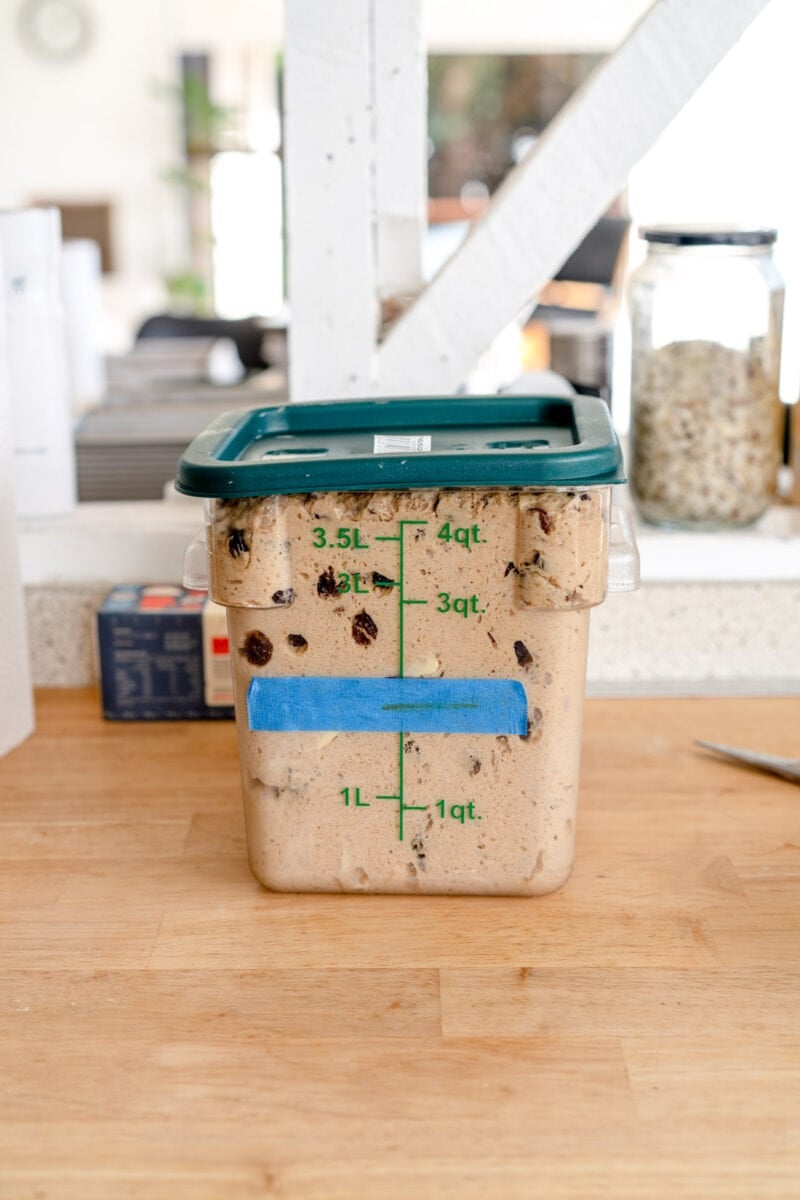
    If you are having a hard time seeing what doubled in size is, place the dough into a clear rectangle or square container and mark on the side where it comes up to, so you can see how much the dough changes as it rises.

    bread dough out of the fridge
    This is what the bread dough looks like after 15 hours in the fridge. It isn't as smooth as a room temperature rise but do not worry - it still baked up fine.

    How long can bread dough stay in the fridge?

    I usually try to not leave an enriched dough like this which has a higher proportion of yeast in it in the fridge for longer than 24 hours.

    For a higher hydration dough like my ciabatta dough or my focaccia dough I have left it in the fridge for up to three days, however the dough has a lower ratio of yeast to flour than this white bread dough.

    If you do leave the dough in the fridge for too long it may still be ok, but just know that your bread probably won't be as light and fluffy as a properly risen dough.

    dough in bowl ready to rise
    Dough ready to rise - at this stage it can have a room temp or fridge rise.
    risen white bread dough in a bowl
    Fully risen dough, ready to be used for your project.

    Can I freeze bread dough?

    I haven't tried it sorry. I haven't had much luck in the past with freezing bread dough, I may give it a go in the future but I prefer to freeze the baked bread rather than the dough. It is soft enough that the frozen bread thaws and reheats super well!

    Can this recipe be doubled?

    Yes - I have doubled it a ton when I was testing it and all the different variations! I use my stand mixer and it works just fine - the first mixing step may take a few minutes longer so just keep that in mind

    Do I need a stand mixer to make this recipe?

    I haven't tested making this by hand yet and will update this post when I do, but it may work, it will just be a workout. If you are worried about the dough being too sticky, then you can hold back about 20g of the milk so the dough is a tiny bit less hydrated. I have tested my small batch dinner roll recipe by hand though and it works great!

    two shapes of parker house rolls
    Parker House Rolls two ways - each made with one batch of white bread dough.

    Frequently Asked Questions

    What tools and equipment do you use?
    You can find a full list of the tools and equipment I use on my products page

    Can I make this recipe Gluten / Dairy / Egg free?
    I don't know sorry - I have not tested it. I doubt gluten free would work though as this dough heavily relies on the gluten formation. I would look for a specialised gf recipe.

    white bread dough ready to be shaped
    Dough ready to be divided
    end shot of sliced bread
    Super fluffy, perfect white bread!

    ❤️ Made this recipe and love it? ❤️

    I would LOVE for you to leave me a review and star rating below to let me know how you liked it! Also, please make sure to tag me on Instagram!

    Answers to your baking questions

    Over the years, many of you have asked me questions about:

    • baking in grams
    • adjusting oven temperatures
    • what kind of salt to use
    • and many more!

    I've curated and answered them all for your easy reference in this frequently asked questions post!

    Filed Under: Base Doughs, Base Recipes, Breads

    Soft and Chewy Foolproof Caramel Candy

    pieces of caramel with salt on top

    If you've never made candy at home before - this recipe for easy homemade caramels is the perfect place to start. These caramels are soft and chewy, and finished with the perfect amount of salt. Use them to stuff into a cookie or a brownie, or wrap to give as homemade gifts. This post is packed full of tips and tricks to walk you through making your own homemade caramel candies.

    caramel candies on parchment paper
    I love sprinkling my caramel with flaky sea salt before eating.

    Hi hi! I am just popping in to share this easy homemade caramel recipe with you! If you haven't made homemade candy before, these easy caramels are a great place to start.

    These caramels are soft and chewy, and are perfect as-is, or you can use them in baking - I use them to stuff inside my caramel stuffed chocolate cookies, or to dot over brownie batter for the most amazing caramel brownies.

    Homemade caramel lasts super well, so they are great to make ahead and keep in the fridge, or to wrap in wax paper for a more traditional caramel candy and give as gifts.

    caramel with bite taken out of it
    Caramels are super chewy and the most amazing texture!

    Homemade Caramels

    These caramels are super soft and chewy. I have used this base recipe a ton of times but never actually made it into a stand alone recipe.

    This recipe makes a soft caramel as opposed to a hard caramel like the one that I use in my salted caramel cookies which is made from using melted sugar. The softness comes from the ratios of ingredients - condensed milk and butter help to soften the mix to give perfectly chewy, delicious caramels.

    Ingredients in homemade caramels

    The ingredients list for these caramels is super simple, and likely things that you already have at home:

    • Butter. You can use either salted or unsalted here depending on what you have on hand. If you use salted, you can either drop back the salt quantity in the recipe slightly or leave as is - salty caramel is delicious.
    • Condensed milk. Condensed milk gives texture to the caramel - it helps to make it super smooth and keep the chew when it reaches a high temperature.
    • Brown sugar. We are going for as many toasty flavours as we can here, which is why I use brown sugar instead of white for my homemade caramels.
    • Golden Syrup. This is one of my favourite ingredients because of how delicious it is and the amazing flavour it gives to things. It's very easy to get in New Zealand and some other countries, when I lived in the US I used to get it online. It helps to stop crystallisation in the caramel.
    • Salt. Essential to offset all the sugary components of the caramel. Make sure you salt well and if you find the caramels are not as salty as you like you can sprinkle them with a little flaky sea salt after cutting.
    • Vanilla. I like to use vanilla bean paste but vanilla extract works well too. It adds the most amazing flavour to the caramels.

    What is golden syrup?

    Golden syrup is an invert sugar syrup that is a by-product of the sugar making process. It is thick and smooth, and has a delicious toasty flavour. I highly recommend getting some to use if you haven't before, but if you can't get hold of some, you can use corn syrup or liquid glucose in the place of it.

    If you do get golden syrup and you are looking for ways to use it up, I have a whole lot of golden syrup recipes for you to browse!

    Ingredients for homemade caramel
    Ingredients for homemade caramels - brown sugar, butter, golden syrup, condensed milk. Salt and vanilla go in after the caramel is cooked.

    Do I need to use a Thermometer?

    Yes - a thermometer is essential when you are making homemade caramel candies. I use a digital thermometer (I have a thermapen but there are loads of others available online!) which I find works best as it gives a super quick result. Cooking the caramel either under or over the correct temperature will result in it either not setting enough, or being too hard, so using a thermometer to ensure that you get the right result is necessary.

    If you don't have a thermometer, I haven't tested any other alternatives sorry. They are a great thing to own!

    Important - when you are measuring the temperature of your cooking caramel - make sure that the probe of the thermometer is in the middle of the caramel. If it is accidentally touching the bottom of the pot, it will give a falsely high reading and your caramel may not set.

    How do you store caramels?

    The great thing about making homemade caramel is that it stores super well for a long time. Keep it in an airtight container and store in the fridge for up to a month. If I am not wrapping it in wax paper I store it with pieces of wax paper between each layer to prevent sticking.

    set caramel in a pan
    Binder clips keep everything held down
    close up of sliced caramel with salt
    Super sharp knife = nice clean cuts

    What is the best way to wrap caramels?

    If you want to wrap your homemade caramels in the traditional candy style, you can use squares of wax paper. I purchased mine pre-cut, but you can also just cut squares of paper if you like. Mine are 6" squares, but play around with sizing depending on what you think looks best.

    How to get clean cuts on caramel

    I cut my caramel into little pieces - I did an 8x4 grid in the pan. You can cut them into any shape that you like - I use squares for my caramel stuffed cookies, or smaller pieces for my caramel brownies.

    The best way to cut the caramels is when they are cold from the fridge. Use a super sharp knife, and mark out your cuts before you make them. I find it easiest to cut the whole pan into strips first with vertical cuts, then make the four horizontal cuts.

    corner shot of cut caramels

    Homemade Caramels Troubleshooting

    Your caramel is too hard

    It is likely that you took the mixture past the 240° / 120°c stage, which is called the firm ball stage in candy making. You want to make sure that you very carefully measure the temperature of your caramel when you are cooking it. This is still usable although it will be more like a toffee texture than a caramel - cut it into tiny bits and add to cookies or ice cream.

    Your caramel is too soft

    The opposite happened here and you didn't bring it to temperature. Read the notes on the recipe to make sure you are using your thermometer correctly.

    You are starting to get little brown bits in the caramel as it cooks

    This is ok - it is just little bits of the caramel that are cooking faster than the rest. Turn the heat down and take it slow if you need to - slide the pan off the heat and stir well and make sure you're scraping the bottom well. I like to use a rubber spatula for this reason.

    My Caramel is taking FOREVER to reach temperature

    This happens. The caramel will get to a certain point, then it feels like it takes forever to get to temperature. Just be patient here - it is really important that you take it up to the correct temperature in order for it to set.

    caramel wrapped in paper
    wrapped caramels in a jar
    pieces of caramel with salt on top

    ❤️ Made this recipe and love it? ❤️

    I would LOVE for you to leave me a review and star rating below to let me know how you liked it! Also, please make sure to tag me on Instagram!

    Answers to your baking questions

    Over the years, many of you have asked me questions about:

    • baking in grams
    • adjusting oven temperatures
    • what kind of salt to use
    • and many more!

    I've curated and answered them all for your easy reference in this frequently asked questions post!

    Filed Under: Other Sweets

    Chewy Brown Butter Blondies

    sliced up blondie with white chocolate on top

    My easy homemade brown butter blondies can be made in about 45 minutes. These chewy blondies are full of brown butter flavour and white chocolate chips, and have a classic crinkly top. They are the perfect versatile recipe!

    blondie with bite taken out
    I make my blondies with caramelised white chocolate, but use whatever you like!

    Hi hi! I am just popping in here to share this easy blondie recipe with you! I have a ton of brownie recipes on my site, but haven't gotten around to sharing a blondie recipe with you yet, so here we are!

    These blondies are super easy to make. I riffed off of my white chocolate chip cookie recipe, and then adjusted from there to get the texture and finish that I wanted. I had to go through a few recipe tweaks to get them just where I wanted them, but we got there in the end - a perfectly buttery blondie, filled with brown butter flavour and packed full of white chocolate chips. It's slightly fudgy in the middle, and just so delicous.

    Wet ingredients for blondie recipe
    Brown butter, sugars, and egg
    Dry ingredients for Blondie Recipe
    Add dry ingredients and only just mix

    What are Blondies?

    A blondie is a 'blond brownie', so instead of having a chocolate flavour, it is more of a brown sugar, vanilla, butter forward situation.

    To me, a blondie is honestly super similar to a cookie bar in that they have the same method. It's a six of one, half a dozen of the other kind of a thing as far as I'm concerned. If you look at my chocolate chip cookie bars recipe you'll see that they are super similar. I'm always down for more delicious bar recipes though, especially when they are this easy, so I'm certainly not complaining.

    For these blondies I wanted to really drive home the taste of brown butter and brown sugar which gives almost a butterscotch kind of taste. You get a bit of a crackly top from whipping the sugar and eggs together, and only just baking them gives the most amazing dense and fudgy inside. Just try them. It's worth it.

    side on shot of blondie with chocolate chips
    Make sure to only just bake your blondies for that perfect interior texture

    Tips and tricks for the best blondies

    While these blondies are super easy to make, there are a few tips and tricks for the best outcome possible.

    • Brown the butter. When possible, I almost always brown the butter, especially in situations like these blondies where you're not adding cocoa powder or melted chocolate, so you really want a great depth of flavour. I tried adding milk powder the brown butter to really amp up the flavour like I did in my oatmeal chocolate chip cookies, but found it affected the texture quite a lot.
    • Don't over mix. When you are mixing up your blondie batter, make sure you don't over mix it. Mix in the dry ingredients until they are just combined, then add your chocolate and finish off mixing to combine. Mixing too much will start to develop gluten, which can make them a little tough.
    • Use good chocolate. Good quality is the aim of the game here. Use a chocolate that you would be happy eating. I used a caramelised white chocolate (I used Whittaker's blondie), but chopped white chocolate of your choosing would be great.
    • Don't overbake. This is crucial for a nice fudgy, dense, blondie. You want to make sure that you don't overbake them. If anything, slightly underbaking them is best. You want to pull them from the oven when the top of the blondie is set and the edges are just starting to firm up.

    I know that making brown butter can be intimidating. Don't be scared, I will hold your hand the whole way through in my post and you'll be nailing it in no time: Brown Butter 101: The Ultimate Guide

    How do you get the crinkly top on blondies?

    The crinkly top that comes on a lot of brownie recipes can be achieved here too. I go in depth on this in my homemade brownies post but it comes down to really whipping together the butter and sugar and egg mixture so that the sugar starts to dissolve.

    In the blondies in the pictures I didn't quite get the crinkly top that I was after because it was the middle of winter and I was baking them in my garage while we were renovating, so in the time I stopped to take a few pictures my butter had cooled a bit. But if you want that nice crinkly top, make sure that you really whip the butter, egg, and sugar together in the first step of the recipe. I usually do it by hand with a whisk but if you would like to use an electric hand mixer that's fine too.

    chocolate chips in blondie batter
    Add chocolate while you still have a little dry ingredients to be mixed in
    blondie batter ready to bake
    This avoids over mixing, which can lead to tough blondies.
    brownie batter in pan
    Parchment paper for easy removal
    baked blondies in pan
    Add additional chocolate on after baking.

    5 Star Reader Review

    “I used chunked up leftover white chocolate Kit Kats from Halloween and that worked out well. Soft and chewy and a big hit. I will make these again and again.”

    —Marji
    Read more reviews »
    blondie recipe test
    Initial test where I left out the chocolate - result was super cakey and not what I was after at all.

    Can these blondies be made without chocolate?

    In my initial test I made this recipe without chocolate in it - I used my white chocolate chip cookie recipe as a base and turned it into a blondie recipe by reducing the leavening and pressing the batter into a pan.

    It turned out super cakey, and even with increasing the butter in the recipe, I found that It was hard to fix this issue.

    I tried it again with the chocolate added in and it made a huge difference - the moisture from the chocolate makes much more of a difference than you think. You can see in the image below the difference in texture. The main change between this recipe test and the final version was adding chocolate.

    sliced brown butter blondie
    Sharp Knife = nice clean cut on the blondies.

    How to get a nice clean cut on blondies

    I get asked this all the time - how I get a nice clean cut on my baked goods, especially my brownies.

    The main trick is to make sure the blondies are fully cooled - if I'm taking photos for the internet I will put them into the fridge (I know, the scandal), so that they are nice and solid to cut up. I don't usually do this if I'm just making them to have at home because I prefer a blondie at room temperature rather than chilled like I do a brownie (IYKYK).

    The second trick is to use a super sharp knife. Be decisive with your cuts, and wipe the blade in between cuts. I often use a ruler to measure them if I'm shooting them for the internet, you definitely do not need to worry about that if you're not.

    close up shot of blondies
    Chopped chocolate gives a super delicious range in sizes of chocolate pieces.

    ❤️ Made this recipe and love it? ❤️

    I would LOVE for you to leave me a review and star rating below to let me know how you liked it! Also, please make sure to tag me on Instagram!

    Answers to your baking questions

    Over the years, many of you have asked me questions about:

    • baking in grams
    • adjusting oven temperatures
    • what kind of salt to use
    • and many more!

    I've curated and answered them all for your easy reference in this frequently asked questions post!

    Filed Under: Bars and Slices, Brownies, Holiday Cookies, Other Cookies, Other Sweets

    Brown Butter Oatmeal Raisin Cookies

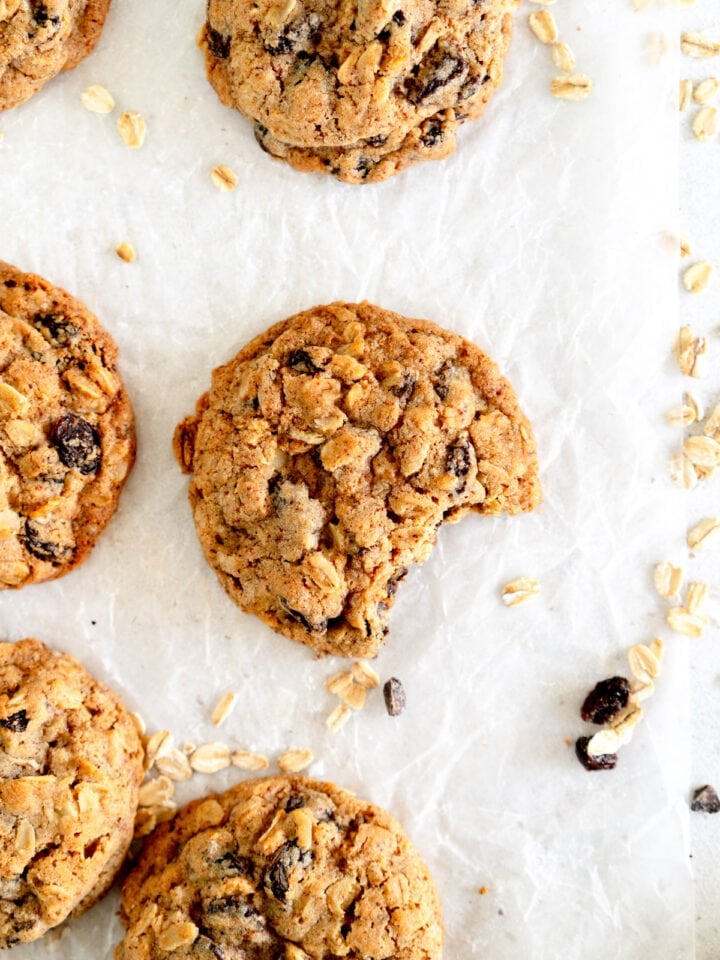
    oatmeal raisin cookie on parchment paper

    My Soft and Chewy Oatmeal Raisin Cookies are super simple to make and come together in about 30 minutes. Packed full of raisins and toasted oats along with plenty of brown butter, these cookies store for up to a week and are great for gifting or mailing!

    oatmeal raisin cookie on parchment paper

    Hi hi! Just popping in to share this Oatmeal Raisin Cookie recipe with you! These came about when I went down an Oatmeal Cookie rabbithole and decided I needed to make all the versions because we love options! I started with my Oatmeal Chocolate Chip Cookie recipe, moved onto my super easy Peanut Butter Oatmeal Cookies, and now we are here with an Oatmeal Raisin Cookie recipe!

    These oatmeal raisin cookies are a bit more chunky than their cookie siblings - I wanted a cookie that was a bit more substantial. They bake up nice and thick, and are filled with flavour from super brown butter, and texture from toasted oats and lots of raisins.

    They are a really easy cookie to make - no mixer needed, and store really well - I have eaten them up to a week after making them and they are still just as good. We love.

    ball of cookie dough
    oatmeal raisin cookie batter

    What makes these Oatmeal Raisin Cookies Special

    I think that Oatmeal Raisin cookies can get a bit of a bad reputation, and that is because people think that raisins aren't that exciting. If you actively don't like them then that's fine, but I think properly dressed up, raisins are epic. Here's how I did it:

    • Brown Butter. I used the same method that I did in my Oatmeal Chocolate Chip cookies where I added in milk powder when I browned the butter. I go super in depth on the method on that post if you want to read more about it!
    • Toasted Oats. Crucial for texture. This is an optional step but it only takes 10 minutes and toasting the oats gives an amazing chewy texture to the cookie which goes so well with the raisins.
    • Cinnamon. Just a little bit. Just to give some depth, and cinnamon and brown butter are besties.
    • Large Cookies. These Oatmeal Raisin Cookies are large and chunky - the recipe makes about 10 large cookies. This gives a slightly crispy edge and a nice soft middle - they are thick and chewy and just how I like them.

    I know that making brown butter can be intimidating. Don't be scared, I will hold your hand the whole way through in my post and you'll be nailing it in no time: Brown Butter 101: The Ultimate Guide

    What are the best oats to use for Oatmeal Raisin Cookies?

    I like Old fashioned oats for making oatmeal cookies as they provide the best texture. They are the kind where you can see the whole oat but it is just squished flat - sometimes they are called 'whole grain oats' or 'traditional' oats depending on where you are.

    I haven't tested this recipe with rolled oats or quick cooking oats sorry. It might work ok with rolled oats but I think that quick cooking oats would make things too gluggy.

    I like to toast my oats briefly in the oven before using them for cookies. It gives them a toasty flavor and an extra chewy texture, which goes so well in cookies.

    I like to do this step while I am browning the butter so that the oats are cooled by the time I am ready to use them, however if you are making cookies a lot that use toasted oats, you can do a whole bunch at once and store them in an airtight container.

    toasted oats
    baked oatmeal raisin cookie on sheet pan

    Recipe Development for Oatmeal Raisin Cookies

    Like my other oatmeal cookie recipes, I started with my Oatmeal Chocolate Chip Cookie as a base when I was developing this recipe.

    I didn't make that many changes - I found that because raisins don't melt like chocolate does, the cookie had a lot more substance and baked up a little thicker, and I just increased the flour a touch and decreased the butter used in the recipe to make them bake up just a little bit thicker than the oatmeal chocolate chip.

    I also left out the malted milk powder - while it goes great with chocolate, I was worried it might get a bit weird with raisins. If you wanted to add it, you can add in 45g worth without making any other changes to the recipe.

    ingredients for oatmeal raisin cookies
    raisins in oatmeal raisin cookie batter

    Can I freeze the dough for Oatmeal Raisin Cookies?

    I tried freezing the dough for these oatmeal raisin cookies, and it didn't work that well. When it came to baking the dough from frozen, even though I dropped the oven temperature (I write a lot about this in my how to freeze cookie dough post), they baked up like little boulders.

    I need to try again and maybe defrost the cookie dough before baking, but for now your best bet would be to freeze the baked cookie itself - place in an airtight container for up to 3 months then defrost at room temperature. I like to warm briefly before eating if I have defrosted a cookie.

    side on shot of oatmeal raisin cookies

    ❤️ Made this recipe and love it? ❤️

    I would LOVE for you to leave me a review and star rating below to let me know how you liked it! Also, please make sure to tag me on Instagram!

    Answers to your baking questions

    Over the years, many of you have asked me questions about:

    • baking in grams
    • adjusting oven temperatures
    • what kind of salt to use
    • and many more!

    I've curated and answered them all for your easy reference in this frequently asked questions post!

    Filed Under: Cookies, Holiday Cookies, Other Cookies

    Soft and Chewy 30 Minute Peanut Butter Oatmeal Cookies

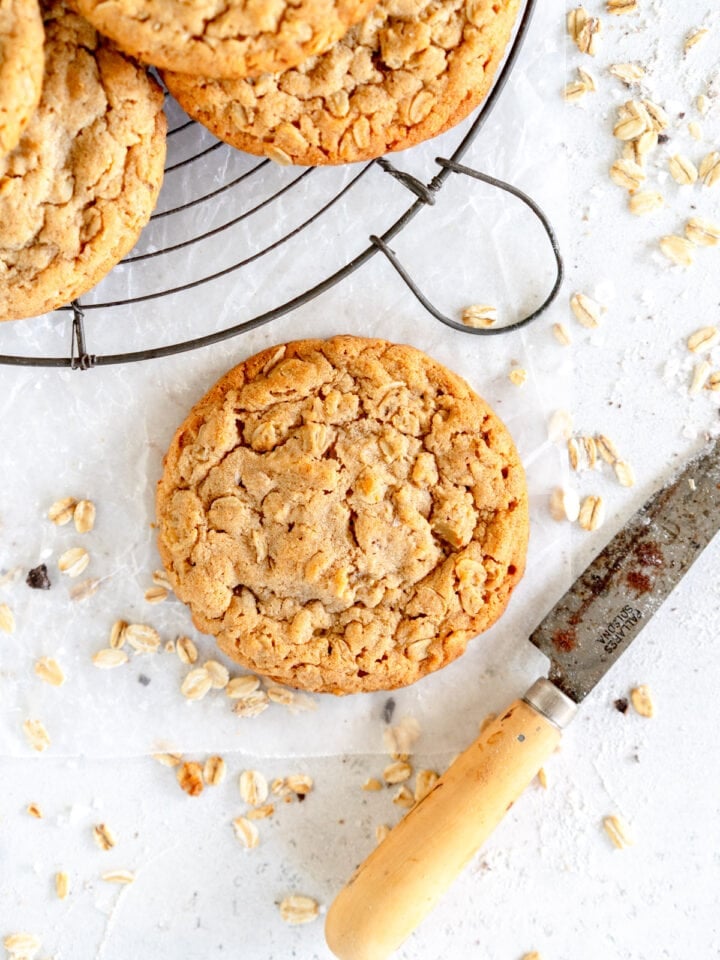
    peanut butter oatmeal cookie

    These Peanut Butter Oatmeal Cookies are super soft and chewy, and filled full of toasted oats and peanut butter. There is no chill time in the recipe, so you can have these ready to go in about 30 minutes!

    peanut butter oatmeal cookie with bite taken out

    Hi hi! I am just popping in to share this Peanut Butter Oatmeal Cookie recipe with you! I developed these when I went down an Oatmeal Cookie recipe rabbithole, which started with my Oatmeal Chocolate Chip Cookie recipe. It was such a good base recipe that I couldn't help myself and had to add in some peanut butter, which was a very good idea.

    These peanut butter oatmeal cookies are soft, chewy, and packed full of flavour. They start with a brown butter base, then we add toasted oats, loads of peanut butter, and malted milk powder. There is zero chill time so you can have them ready to go in about 30 minutes!

    I love a large cookie so I made them huge, but you can easily scale back if you need! They keep for up to a week in an airtight container. Promise you'll love them. If you're after a raisin situation, check out my Oatmeal Raisin Cookies too which were also part of the oatmeal cookie rabbithole!

    ball of scooped cookie dough
    baked oatmeal cookies on a rack

    My Best Peanut Butter Oatmeal Cookies

    There are a few things that make these, to me, the ultimate peanut butter oatmeal cookie:

    • Soft and Chewy. I wanted a cookie that was on the thicker side, but super soft and chewy. We got there by playing around with the sugar ratios, and adding enough butter so that they spread nicely without getting too thin.
    • Brown Butter. I put brown butter in so many things. It's just the best, it gives the most amazing flavour to recipes, especially cookies. If you want more recipes using it, I have lots of brown butter recipes for you!
    • Toasted Oats. I used this technique in my Oatmeal Chocolate chip cookie recipe and loved how it gave the cookies texture, so I used it again for the peanut butter oatmeal. You don't have to toast them, but it's worth it, promise.
    • Malted Milk. Malted milk is best friends with peanut butter and brown butter. This is an optional ingredient and if you don't have it you can leave it out as it is a flavour enhancer rather than a thickener, but it's so good!

    I know that making brown butter can be intimidating. Don't be scared, I will hold your hand the whole way through in my post and you'll be nailing it in no time: Brown Butter 101: The Ultimate Guide

    toasted oats
    ingredients for peanut butter oatmeal cookies
    batter for peanut butter oatmeal cookies

    Cookies with malted milk powder

    Malted milk powder is a milk powder based product with a few other ingredients added too - it was originally formulated to help babies with digestion. It works particularly well in this recipe as it goes so well with the peanut butter.

    You can get malted milk powder online - in NZ I use Horlicks from the supermarket. It tastes slightly different but you get the same outcome - very delicious cookies.

    If you do not have malted milk powder on hand you can just omit it from the recipe - it is a flavour enhancer and doesn't change the texture of the recipe so you can just leave it out.

    Toasted Oats

    This is another optional step - toasting the oats. This just gives them a bit more of a toasty flavour, adding amazing depth into the peanut butter oatmeal cookie. It only takes about 10 minutes - I like to do it while I brown the butter so that they can cool while I do the first part of making the peanut butter oatmeal cookie batter.

    If you are wondering what the best sort of oats are to use in Oatmeal cookies - I like Old Fashioned Oats. These are the ones that are just squished regular oats - so not a quick cooking oat or a rolled oat. They provide the best texture in my opinion.

    I haven't tried them with quick oats or rolled oats sorry - I would stay away from quick cooking if I were you. They will get really gluggy.

    stacked peanut butter oatmeal cookies

    How to freeze Peanut Butter Oatmeal Cookies

    There are two ways of going about this:

    • Freeze the baked cookies. Once the cookies are totally cool, freeze in an airtight container for up to a few months. Defrost at room temperature - they will benefit from a little refresh in the microwave before you eat them.
    • Freeze the cookie dough (my preferred method). Place the dough on a parchment paper lined baking sheet and freeze until solid, then transfer to an airtight container. When you bake from frozen, drop the oven temperature to 325°f / 160°c and add a few minutes onto the bake time.

    For all my tips and tricks on freezing cookie dough and cookies, check out my post: How to freeze cookie dough and bake from frozen

    baked peanut butter cookie on pan
    rack of peanut butter oatmeal cookies

    Recipe Development for Peanut Butter Oatmeal Cookies

    The recipe development for this oatmeal cookie series wasn't too tricky once I nailed down my oatmeal chocolate chip cookie. I started with that recipe as the base and made a few changes:

    • Removed the chocolate. Obvious step.
    • Kept the brown butter. However, I removed adding in the milk powder like you do in the chocolate chip cookies. Because of the peanut butter, the brown butter, toasted oats, and malted milk powder already do a ton of flavour work.
    • Played around with sugar ratios. Initially when I made these, I used the same ratios as the chocolate chip oatmeal recipe, but changed to have a higher ratio of white sugar to give spread and chew.
    • Spread. The initial test didn't spread as much as I would have liked - they baked up as rocks. They were still delicious but I knew something needed to change, so I reduced the amount of peanut butter (the original test had 200g), dropped the amount of flour I was using, and increased the oats in the recipe. This, combined with changing the ratio of white to brown sugar, sorted it out straight away and gave me perfect, soft and chewy peanut butter oatmeal cookies.
    ball of cookie dough

    ❤️ Made this recipe and love it? ❤️

    I would LOVE for you to leave me a review and star rating below to let me know how you liked it! Also, please make sure to tag me on Instagram!

    Answers to your baking questions

    Over the years, many of you have asked me questions about:

    • baking in grams
    • adjusting oven temperatures
    • what kind of salt to use
    • and many more!

    I've curated and answered them all for your easy reference in this frequently asked questions post!

    Filed Under: Cookies, Holiday Cookies, Other Cookies

    30 Minute Oatmeal Chocolate Chip Cookies

    These well-tested soft and chewy Oatmeal Chocolate Chip Cookies are quick and easy to make and come together in about 30 minutes! Packed full of toasted old fashioned oats, brown butter and milk powder (a magical single ingredient that amps up the flavor of brown butter!), these are my go-to oatmeal chocolate chip cookies! This post is packed with helpful tips and tricks to help you bake these cookie beauties at home.

    finished baked oatmeal chocolate chip cookies

    Hi hi! I am just popping in to share this oatmeal chocolate chip cookie recipe with you! These took a ton of tests and tweaking to develop, but I am so happy with the final product.

    I wanted a super easy oatmeal chocolate chip cookie recipe that packed a punch, but didn't need a chill time or any fancy equipment. Enter this recipe - it is a soft and chewy oatmeal cookie, with slightly crispy edges. They are super toasty thanks to the brown butter and malted milk powder, and are stuffed with chocolate chunks. These oatmeal chocolate chip cookies keep for up to a week in a container, making them the perfect cookie to have on hand.

    If you love Oatmeal Cookies try these too:

    • For a dairy free version: Try my Oatmeal Chocolate Chip Cookies made with oil! Readers have also made these GF and egg free and left really helpful reviews.
    • Peanut Butter Lover? My Peanut Butter Oatmeal Cookie recipe is SO GOOD.
    • A Classic Oatmeal Raisin but better: I am hooked on these Oatmeal Raisin Cookies. They are chonky, full of raisins, and just so good.
    • Iced Oatmeal Cookies: These took me over 20 recipe tests to get right, but I am so happy with my Iced Oatmeal Cookie recipe!

    scooped cookie dough
    I use a #24 scoop to scoop my cookies, which gives 12 large cookies.

    Flavour packed Oatmeal Chocolate Chip Cookies

    I played around loads with this oatmeal chocolate chip cookie recipe during the recipe testing process - they are great and a super easy recipe, but I knew I could pack them full of flavour and texture to make a really good oatmeal cookie. Here's what I ended up with, there are notes in each section on if you don't have these ingredients / don't want to bother with these steps (but I think they are all very worth it. I wouldn't waste your time for no reason.)

    • Brown butter with added milk powder. Brown butter is amazing. Adding milk powder to the brown butter makes it mega toasty and mega delicious. More on this further down the post because it's a game changer of a technique.
    • Toasted Oats. This is an optional step, but toasting the oats adds another level of flavour, but also gives them a slight crunch and chew in the cookie dough which is so delicious.
    • Malted Milk Powder. Again - optional, but malted milk powder adds an amazing dimension to these oatmeal chocolate chip cookies.
    • Espresso Powder. If you don't have espresso powder, fine instant coffee works great too, or you can leave it out completely. Adding espresso powder adds dimension to chocolate flavour in recipes.
    melted butter with milk powder
    Add the milk powder to the melted butter
    browned butter with milk powder
    The result - amazingly toasty butter!

    Brown Butter Oatmeal Cookies - adding milk powder to butter?

    I LOVE brown butter. It is my go to for almost everything - you can see in my little brown butter recipes collection that I have. I love that it adds deep flavour to a recipe without needing any extra ingredients.

    There is however, a way to amp up the flavour of brown butter - adding milk powder. The process of browning butter involves cooking the milk solids in the butter until they brown - hence the name brown butter.

    Adding milk powder means that you increase the amount of milk solids in the butter mixture, meaning more browned milk solids = even more toasty brown butter flavour. You add it in just after the butter is melted, and then brown butter the regular way. Make sure you stir frequently as the milk solids have a tendency to clump.

    I used whole milk powder, if you can only find non-fat that should work ok too! I use it in a lot of recipes - it adds amazing softness to bread recipes, and it lasts a really long time stored in an airtight container. It's a great ingredient to have on hand.

    If you do not have milk powder you can leave it out - but please note that you will only need to measure out 100g of brown butter for the recipe, as the extra 20g in the 120g called for in the recipe comes from the added milk powder.

    Toasted oats
    Toasted Oats = flavour and texture. This is an optional but worth it step.
    Dry ingredients for Oatmeal Chocolate Chip cookies
    Dry ingredients for cookies - I usually mix these by hand.

    Toasted Oats for texture

    Oatmeal chocolate chip cookies are great. Oatmeal chocolate chip cookies with toasted oats are AMAZING. Toasting the oats for just 10 minutes in the oven before you use them in the recipe dries them out slightly and turns them lightly golden brown, which adds an amazing nutty flavour and great texture to the cookie.

    This is a totally optional step, if you don't want to toast the oats you can just use 100g Old fashioned oats in the recipe. Make sure that if you do toast them, you weigh them after toasting as they can lose some moisture in the oven - top back up to 100g worth of oats if needed.

    If you wanted to bulk toast oats to have on hand if you bake a lot, just do a bunch at once on a large pan, then store in an airtight container.

    mixed brown butter ingredients
    Whip together sugar and butter until thick and lightened in colour
    Mixed oatmeal cookie dough
    Add the mix-ins when there is still flour remaining to avoid over mixing

    How to freeze Oatmeal Chocolate Chip Cookies

    There are two options here for freezing your oatmeal chocolate chip cookies:

    • Freeze the baked cookies. I often do this when I am recipe testing and have too many on hand - I pop the baked cookies into an airtight container or ziploc bag and then freeze. To defrost frozen cookies just leave them at room temperature. I find slightly warming defrosted cookies helps a lot with texture before eating them too.
    • Freeze the dough. This works great too - scoop the cookie dough out and then place onto a lined sheet pan and freeze. Store in a ziploc bag. To bake from frozen, reduce the oven temperature to 325°f / 160°c and add a few minutes to the baking time.

    For all my tips and tricks on freezing cookie dough and cookies, check out my post: How to freeze cookie dough and bake from frozen

    oatmeal cookie dough
    Combined Oatmeal Chocolate chip cookie dough ready to scoop - I almost always make these by hand, no need for a mixer.

    Recipe Development for Oatmeal Chocolate Chip Cookies

    These Oatmeal chocolate chip cookies definitely went through a few rounds of testing, playing with variables to yield what is, in my opinion, the perfect oatmeal chocolate chip cookie recipe.

    I started with my dairy free oatmeal chocolate chip cookies as a kicking off point, and changed the recipe to use butter (you usually need to add more butter in the place of oil when making this change in recipes as oil is straight fat and butter has some water in it and behaves a bit differently).

    From there it was pretty straightforward, I just played around with scoop size of the cookie (I went big), and adding in malted milk powder, milk powder to the brown butter mix, and toasting the oats.

    I also played around with baking temperature and chilling the dough. In this instance I found that chilling the dough didn't make a big change in the spread or texture of the cookie. Dropping the baking temperature made them spread a little too much for my liking (baking at a lower temperature gives the cookie more time to spread before it sets), so I found scooping and baking straight away at 350°f / 180°c was the sweet spot.

    balls of cookie dough
    If you like, you can press the cookie dough ball into additional chopped chocolate to give you amazing puddles on your cookies.

    The best chocolate to use for cookies

    I prefer to use chopped chocolate rather than chocolate chips in cookies:

    • A range of sizes. Chopping the chocolate gives you a mixture of chunks, smaller pieces, and then little shards of chocolate, so you get a lovely distribution of chocolate through the cookie
    • Chocolate puddles. Often stabilisers are added to chocolate chips so that they don't melt (which is great for things like muffins where you want them to stay whole), whereas a bar of chocolate melts in the cookie, giving you delicious pockets of chocolate.
    • Quality. Use a chocolate that you are happy to eat on its own. I use a 72% cocoa solids chocolate for these oatmeal chocolate chip cookies, but have also made them with whatever chocolate bar is in the cupboard - mix and match!
    cookie dough with and without chocolate
    Puddles vs no puddles on dough balls
    cookies with chocolate and without
    Top cookie has no added chocolate on top

    ❤️ Made this recipe and love it? ❤️

    I would LOVE for you to leave me a review and star rating below to let me know how you liked it! Also, please make sure to tag me on Instagram!

    Answers to your baking questions

    Over the years, many of you have asked me questions about:

    • baking in grams
    • adjusting oven temperatures
    • what kind of salt to use
    • and many more!

    I've curated and answered them all for your easy reference in this frequently asked questions post!

    Filed Under: Chocolate Chip Cookies, Cookies, Holiday Cookies

    Soft and Fluffy Orange Rolls

    orange roll with chocolate filling and orange frosting

    Homemade Orange Rolls are the perfect twist on a classic cinnamon roll. These are soft and fluffy sweet rolls, filled with a chocolate orange filling. Once baked, they get finished with an orange cream cheese icing. Overnight option included in the instructions!

    orange roll with chocolate filling and orange frosting

    Hi hi! Just popping in to share the recipe for these Orange rolls with you! I tested this recipe way back before we moved home from NYC, and found it in my backlog recently. They are too good not to share!

    These orange rolls use the same dough as my small batch cinnamon roll dough, which I also use to make donuts (we love a versatile girl).

    I rolled out the dough and filled it with a super easy chocolate orange filling. Once they are baked, they get finished with a cream cheese orange icing. Just the best.

    This is a small batch baking recipe and makes 6 rolls, but you can easily double it to make 12! You do you here. I have included options for an overnight rise too if that's more of your thing - either way, you'll have delicious, fluffy orange rolls.

    risen orange rolls ready to bake
    baked orange rolls

    How is this recipe different from cinnamon rolls?

    While this recipe uses the same dough as my small batch cinnamon roll recipe, the filling and frosting are different (plus there's no cinnamon).

    They are an orange sweet roll, filled with a chocolate orange filling. I love these as they are a super fun twist on the classic cinnamon roll, and the orange just compliments the dark chocolate filling so, so well.

    Can I make these a regular sized batch?

    Yes, that works fine! Just double the dough, filling, and frosting recipe, and follow the rolling dimensions in my brown butter cinnamon roll recipe.

    baked orange rolls ready for frosting

    Why don't all the ingredients go in at once for the dough?

    When you make an enriched dough like this brioche, which means that it has eggs and butter in it, you want to develop the gluten before adding the fat to the dough, in this case the butter.

    Fat coats the gluten in the dough, and so you want to develop some dough strength before adding the fat. I tested it both ways during the recipe testing process - both with melted butter and incorporating softened butter and found the dough was much more pliable and easy to work with when incorporating softened butter once the dough had a chance to gain some strength.

    risen chocolate orange rolls
    rolls frosted with orange cream cheese frosting

    How to get clean cuts on sweet rolls

    There are a few methods to get a clean cut on cinnamon rolls / sweet rolls like these orange rolls. I usually like to use a bread knife or a similar serrated knife, as I find that it gives the cleanest cut, however for these orange rolls I prefer to use dental floss to give a clean cut on them as the filling can be messy.

    To cut rolls with dental floss, measure out your rolls with a ruler, then using a clean piece of unflavoured floss or twine, place it under the log of dough, bring up either side, and cross over to cut the rolls.

    chocolate orange rolls inside shot

    ❤️ Made this recipe and love it? ❤️

    I would LOVE for you to leave me a review and star rating below to let me know how you liked it! Also, please make sure to tag me on Instagram!

    Answers to your baking questions

    Over the years, many of you have asked me questions about:

    • baking in grams
    • adjusting oven temperatures
    • what kind of salt to use
    • and many more!

    I've curated and answered them all for your easy reference in this frequently asked questions post!

    Filed Under: Breads, Buns and Rolls, Cinnamon Rolls

    Easy Tiramisu with Ladyfingers

    This easy tiramisu is a simple no-bake dessert recipe that is great to make ahead and takes only 30 minutes of prep time. It is made with layers of coffee-soaked ladyfingers, and a smooth and silky mascarpone filling for a classic Tiramisu dessert. For a cake version of tiramisu, check out my tiramisu cake!

    piece of tiramisu on plate

    Hi hi! Just popping in to share this super easy tiramisu recipe with you! This is essentially a big boy version of the small batch tiramisu that is super popular on my website. While making a small homemade tiramisu is great, sometimes you want a larger sized one, and don't want to do the maths. I got you.

    This is a fairly 'classic' tiramisu recipe which is a traditional Italian dessert. Mine is made with ladyfingers, a smooth and creamy mascarpone and egg yolk filling, then is loaded up with cocoa powder just before serving. I add whipped cream to my filling and leave out the marsala wine, so it's not a traditional 'zabaglione' but it's how I prefer it!

    The thing that I love the most about tiramisu over other dessert recipes is how easy it is to make, but also how great it is to make ahead of time. You can prepare it the morning of or the day before in under 30 minutes, and have a super impressive dessert just hanging out in your fridge ready to go!

    cut piece of tiramisu on plate
    Tiramisu with bite taken out

    Ingredients in Tiramisu

    Tiramisu has a few components to it - the mascarpone filling, the coffee soak, and then the ladyfinger biscuits. These are all combined together into a layered dessert.

    • Ladyfingers. My tiramisu recipe uses ladyfingers, often also called Savoiardi biscuits. Other recipes use a sponge cake, but using store bought ladyfingers makes life super simple and I think they taste delicious.
    • Coffee soak. I like to use cooled strong coffee for my coffee soak (you can pull a few shots of espresso and dilute to your liking), along with some kahlua if you like.
    • Egg yolks. This recipe is great to use up any extra egg yolks that you may have. The egg yolks give a creaminess to the filling and also help it set up.
    • Caster sugar. I prefer to use caster sugar or super fine sugar, as it helps the sugar to properly dissolve with the egg yolk mixture.
    • Mascarpone. Mascarpone cheese is a soft Italian cheese and is a critical element of Tiramisu - don't skip it. There isn't really a sub for it.
    • Cream. I call for 'heavy cream' in the recipe. This is the kind that you would use to make whipped cream. The cream is going to be whipped to medium stiff peaks and used in the filling. Adding cream isn't 'traditional' but I really like it with the addition of whipped cream.
    • Cocoa powder. Tiramisu is traditionally dusted with cocoa powder, however you can finish it with chocolate shavings if you like.
    Ladyfinger biscuits
    Lady fingers, or Saviordi biscuits, are dry Italian style biscuits that get dunked in the coffee soak and soften to form the base of a perfect tiramisu!

    Is Tiramisu Cake?

    This is something I notice gets googled a lot, and here is my answer - no - tiramisu is a layered dessert. This one is, anyway. Sometimes tiramisu can be made with a sponge cake, but is most often made with ladyfinger biscuits, the same way as my classic tiramisu has here.

    This recipe for tiramisu is the layered dessert, made with layers of mascarpone filling and coffee soaked ladyfingers. I do have a Tiramisu Cake recipe on my website, which has a vanilla cake, a coffee soak, and is topped with an espresso mascarpone frosting, so it is the flavours of tiramisu, but in a cake.

    egg yolk mixture tiramisu
    Egg yolk and sugar mixture forms thick ribbons when cooked together.
    whipped cream for tiramisu
    I like to make my whipped cream by hand to avoid over whipping.

    How to make Tiramisu

    The process of making tiramisu is super easy, and the best part is that you can do all of it ahead of time. In fact, It is best if you do make it ahead of time to give it time to chill and set up!

    • Make the coffee soak. I like to do this first, so that it has time to cool down before assembling the tiramisu.
    • Make the egg yolk filling. Whisk the egg yolks and sugar together over a double boiler (I use a pot with a heatproof bowl on the top). Keep whisking until they are super thick and the sugar has dissolved. Leave to stand.
    • Add the mascarpone. Once the egg yolk mixture has cooled slightly, add the mascarpone, then leave it to cool while you whip the cream. When you mix the mascarpone in it may seem at first like it won't incorporate, but just keep mixing it gently!
    • Whip the cream. I prefer to do this by hand using a whisk so that I have full control over it - if you over whip it you run the risk of your filling being grainy. You want to take it just past soft peaks.
    • Add the cream to the filling. Care fully fold the whipped cream into the mascarpone and egg mixture.
    • Assemble. Now it's time to put it all together. Carefully dip the lady fingers in your coffee soak, then arrange in the bottom of the baking dish. Top with half the mascarpone mixture, then a second layer of soaked lady fingers. Finish with the rest of the filling mix and then smooth off!
    • Set. Leave the tiramisu to chill and set for at least a few hours, or up to overnight. Dust with cocoa powder before serving.

    Does this Tiramisu recipe have raw eggs?

    No it doesn't - the egg yolks are 'cooked' during the double boiler stage of the recipe where you combine the yolks and the sugar. I don't use a thermometer for this, but if you do want to make sure that your eggs are at the correct temperature, you can temperature check them - you want them at least 74°c / 165°f on an instant read thermometer. Make your own decisions here and I like to make sure I use super fresh eggs for making my tiramisu just for peace of mind!

    This recipe only uses egg yolks - other tiramisu recipes incorporate the egg whites into the filling too.

    Adding lady fingers and filling
    Arrange half the lady fingers then add half the filling.
    Adding second layer of ladyfingers
    Add the rest of the soaked lady fingers and the rest of the filling.
    Finished Tiramisu with Cocoa powder
    Dust with cocoa powder just before serving so it doesn't dissolve!
    Cross section of smooth filling and coffee soaked lady fingers.

    Alcohol Free Tiramisu

    I use Kahlua in my Tiramisu recipe, but more traditional recipes use Marsala wine or a dark rum.

    If you want to make this an alcohol free tiramisu, simply omit the alcohol from the coffee soak.

    How to slice Tiramisu

    I find that the cleanest way to slice tiramisu is to use a sharp knife or an offset spatula. Make sure that the dessert is properly chilled and set, then use a knife or spatula to cut into portions. Once you have the first one out, you should be able to use a fish slice or something similar to remove servings.

    Alternatively, just use a spoon and scoop out servings.

    Tiramisu on spatula

    Can Tiramisu be made ahead of time?

    Yes, in fact this is best to make ahead so that it has time to set up. The egg yolk mixture will seem a little loose when you are assembling it, but it should set up nicely in the fridge.

    This chill time also gives the lady fingers time to soften slightly from the coffee soak, and for the flavours to meld.

    I usually make tiramisu the morning of the evening I am planning to serve it because I have bad time management, but if you like, you can make it a day ahead and store covered with plastic wrap in the fridge. Dust with cocoa powder just before you eat.

    How do you store Tiramisu?

    Store leftovers either in an airtight container in the fridge, or just in the serving dish that you made the dessert in, lightly covered with plastic wrap. Eat within 2-3 days.

    Assembling tiramisu
    Make sure to quickly dunk the lady fingers in the coffee soak - too long and they can go soggy!

    Frequently Asked Questions

    What tools and equipment do you use?
    You can find a full list of the tools and equipment I use on my products page

    Which pan did you use?

    I made my Tiramisu in a ceramic 9"x13" pan. You can use whatever pan you have that you think will fit - this recipe will also fill a 9x9" pan and give three layers (it fills right to the top)

    Can I use regular granulated sugar?

    If you like you can, but you run the risk of your zabaglione being grainy. You can either blitz your sugar to make it a little finer, or make sure that the sugar is dissolved in the egg yolk mixture. Caster sugar I have found is much more common in nz than the US - if you have a fine grained regular granulated sugar in the US that should be fine. In NZ you want to use Caster.

    Help! My filling looks really thin?

    The first few times I made homemade tiramisu I thought this too! But don't freak out, once it has some time to sit in the fridge then the filling will firm up. Just make sure that when you are cooking the egg yolks and sugar together you have a nice thick mixture.

    For more Easy Dessert Recipes, check out:

    • cut shot passionfruit cheesecake
      Passionfruit No Bake Cheesecake
    • Perfect Swiss Meringue Pavlova
    • slices of pumpkin pie with whipped cream topping
      My Perfect Homemade Pumpkin Pie (No Cracks)
    • cheesecake brownies on wax paper
      Cheesecake Brownies

    ❤️ Made this recipe and love it? ❤️

    I would LOVE for you to leave me a review and star rating below to let me know how you liked it! Also, please make sure to tag me on Instagram!

    Answers to your baking questions

    Over the years, many of you have asked me questions about:

    • baking in grams
    • adjusting oven temperatures
    • what kind of salt to use
    • and many more!

    I've curated and answered them all for your easy reference in this frequently asked questions post!

    Filed Under: Desserts

    Easy Caramel-Stuffed Chocolate Cookies

    broken open cookie with caramel

    These easy salted caramel-stuffed chocolate cookies are soft and chewy filled with melty caramel on the inside. The homemade caramel candy is a soft caramel that you cook to the point that it sets into a chewy salted caramel candy pieces. The recipe yields 12 large chocolate-caramel cookies, but you can scale the size to make more if you like.

    broken open caramel cookie

    Hi hi! Just popping in to share the recipe for these caramel-stuffed chocolate cookies! These came about as a bit of an accident - I had some homemade caramel leftover from making my caramel brownies, and so I made the dough from my super easy chocolate cookies, and stuffed a piece of the homemade salted caramel inside.

    Let me tell you now, this was a very, very good decision. These bake up into soft-baked chocolate cookies, filled with soft and melty caramel on the inside. The recipe makes 12 large chocolate caramel cookies, but you can scale the size back to make more if you like.

    cookie dough with caramel filling
    Squish the cookie dough ball, and place the caramel inside to enclose in dough.
    cookie dough rolled in sugar
    I like to roll my cookies in granulated sugar before baking for a crunchy finish

    How to make Caramel-Stuffed Cookies

    These chocolate caramel cookies are super easy to make - there are a few steps, but the workload can be broken up easily.

    • Make the caramel. This is a soft caramel, that you cook to the point that it sets into a chewy salted caramel candy. The caramel needs to chill so that it is ready to slice into pieces - it needs at least an hour to chill down, but can be done up to a few days in advance.
    • Make the chocolate cookie dough. I usually use my stand mixer for this, but you can also just do it by hand with an electric handheld mixture. It is a super easy cocoa based cookie dough - simply cream the butter and sugar together, add in the egg and dry ingredients and you are good to go.
    • Fill the cookies. If you don't want to fill all of them that is fine too - my husband doesn't like caramel much (I know, what on earth!?), so I often leave him a few empty. Once you have shaped the cookie dough, roll them in granulated sugar.
    • Bake the cookies. It will feel a bit weird sticking a whole ball of cookie dough into the oven but I promise that they melt down nicely in the oven and you end up with soft, chewy, caramel filled cookies.
    caramel on cookie dough
    All the phases of assembly - cookie dough, with the caramel added, all rolled up to enclose the caramel, and rolled in sugar ready to bake.

    How to assemble chocolate caramel cookies

    Basically, to assemble these cookies, you are enclosing the chunk of caramel in the cookie dough. Here is how I do it:

    • Scoop out the dough. I work with 6 cookies worth at a time, but if your oven can handle two trays of cookies at once you can do this across two half baking sheets. Scoop out the dough using a #24 cookie scoop, or weigh out 75g balls.
    • Flatten the dough. Work with one piece of dough at a time. Flatten it slightly, then press the piece of caramel into the middle.
    • Enclose the caramel. Squish the cookie dough back up around the piece of caramel, ensuring that it is covering it completely and there aren't any pieces poking out.
    • Shape the dough ball. Shape the dough ball back into a round ish shape (it is ok if it is a little oval shaped to make sure that the dough is surrounding the caramel piece
    • Roll in sugar. I love rolling my cookies in granulated sugar to give an amazing sparkly finish to them.

    Can I use store bought caramels in this recipe?

    I haven't tried making these with anything other than the homemade caramels sorry! I assume that they would work stuffed with store bought caramel but I haven't tried it.

    If you do decide to try, use the soft squares of caramel - a hard caramel will not work.

    soft baked chocolate cookie

    Bakery Style Chocolate Cookies

    These chocolate caramel cookies are large and in charge - my regular chocolate cookie recipe makes about 20 cookies (using a size #40 scoop), and this recipe makes 12 larger cookies.

    I have not tried to scale the recipe back to make smaller cookies but I am sure that it will work - you will need to cut down the size of the caramel to ensure that it all fits inside the dough ball and has enough coverage around the outside.

    Make sure that if you scale the recipe back you also drop back the baking time to ensure that you do not have a dry cookie. If you can, make them the same size as written in the recipe, as it gives you a super soft gooey middle and a nice caramel centre.

    baked chocolate cookie
    broken open chocolate caramel cookie

    How do you store caramel-stuffed cookies?

    Store these cookies once baked in an airtight container. I prefer to store them at room temperature so that the caramel is soft, but if you prefer it to be firmer then you can also pop them into the fridge. They should keep for 3-4 days.

    If you want to re-warm the cookies before serving to melt the caramel slightly, you can do this in the microwave. They will be amazing with a scoop of ice cream on top to go with the melty caramel!

    Can the cookie dough be frozen?

    I haven't tried baking these from frozen but I know that it works with my chocolate cookie recipe so it *should* work ok - I will give it a try and get back to you!

    For all my tips and tricks on freezing dough, check out my post: How to freeze cookie dough and bake from frozen

    cookie with caramel filling

    Frequently Asked Questions

    What tools and equipment do you use?
    You can find a full list of the tools and equipment I use on my products page

    What size cookie scoop did you use?

    I used a #24 cookie scoop, which holds 2 ½ Tbsp. Alternatively you can measure out the dough into 75g balls. If you want to scale them down (these are large cookies), you will need to change the size of the caramel piece you put in the middle, and reduce the baking time slightly.

    baked caramel chocolate cookies

    For more homemade cookie recipes, check out:

    • white chocolate chip cookies on tray
      30 Minute White Chocolate Chip Cookies
    • brownie cookies with salt topping
      25 Minute Brownie Cookies
    • vanilla sugar cookies stacked on wire rack
      Soft and Chewy Classic Vanilla Cookies
    • Soft Sugar Cookie Bars

    ❤️ Made this recipe and love it? ❤️

    I would LOVE for you to leave me a review and star rating below to let me know how you liked it! Also, please make sure to tag me on Instagram!

    Answers to your baking questions

    Over the years, many of you have asked me questions about:

    • baking in grams
    • adjusting oven temperatures
    • what kind of salt to use
    • and many more!

    I've curated and answered them all for your easy reference in this frequently asked questions post!

    Filed Under: Cookies, Other Cookies

    30 Minute White Chocolate Chip Cookies

    white chocolate chip cookies on tray

    These homemade white chocolate chip cookies are the perfect dessert for those who crave something sweet but don't have a lot of time. This simple recipe comes together quickly so that you can enjoy these soft-baked and chewy cookies with pockets of white chocolate chips in just 30 minutes. Whether you're looking for a quick cookie to enjoy on its own or something to share with friends, these cookies are sure to please.

    white chocolate chip cookies on tray

    Hi hi! I am just popping in to share this white chocolate chip cookie recipe! These white chocolate chip cookies are a twist on my classic brown butter chocolate chip cookies. They have a super easy cookie base, and are packed with chunks of white chocolate.

    These super easy cookies have no chill time, meaning you can have white chocolate chip cookies ready to go in no time at all. They are a soft and chewy chocolate chip cookie, with slightly crispy edges and a soft and chewy centre.

    I made these white chocolate chip cookies into big, bakery style cookies (the recipe makes 10 large cookies), but you can easily scale the recipe to suit!

    balls of scooped cookie dough
    white chocolate chip cookies baked

    Ingredients in White Chocolate Chip Cookies

    These white chocolate chip cookies have a fairly simple ingredients list - it is what we do with them that makes the cookies so good!

    • Butter. I sometimes like to use salted butter when I am making brown butter to use in recipes. Salted brown butter gives the most amazing flavour base to a cookie. If you only have unsalted butter then this is totally fine too!
    • Brown Sugar. Either light brown sugar or dark brown sugar is fine - brown sugar provides softness and flavour to chocolate chip cookies.
    • Granulated sugar. The balance of granulated sugar to brown sugar is what helps determine the texture of chocolate chip cookies. I cover this more in my perfect chocolate chip cookie recipe.
    • Egg. This recipe uses one large egg, to help bind the cookie and add to the soft and chewy texture. I have not tested this as an egg free recipe - if you want an egg free cookie recipe, check out my shortbread recipe or my Anzac biscuit recipe.
    • Vanilla bean paste. You can also use vanilla extract here. The vanilla helps to compliment the white chocolate flavour.
    • All-purpose flour. The base of the cookie - I haven't tried making these cookies with other flour.
    • Leavening agent. This recipe uses baking soda and baking powder to provide spread and rise.
    • Salt. Even if you use salted butter, salt in baking recipes balances out the sugar in the recipe.
    • White chocolate. It is super important to use good quality white chocolate here - use something that you would eat on its own.
    cookie dough ready to scoop

    What is the best chocolate to use in white chocolate chip cookies?

    In all chocolate chip cookie recipes, it is really important that when the main flavour is the chocolate, that you use something good quality.

    I always choose something that I would be fine eating on its own. I almost always prefer using chopped chocolate over chocolate chips, as it melts down nicely (lots of chocolate chips have stabilisers in them so they won't melt).

    Chopping your chocolate also gives you lots of variation in size, along with the little bits of white chocolate dust throughout the cookie which really add to the flavour.

    I used Whittaker's white chocolate in this white chocolate chip cookie recipe - they would also be delicious with caramelised white chocolate in them too.

    chopped white chocolate for cookies
    brown butter cookie batter

    How to scoop cookie dough

    I use a cookie scoop for this cookie recipe - I wanted to make them bakery style, so I used a size #24 cookie scoop. This recipe makes 10 large cookies. I like to scoop the dough, then roll each into a ball and place on the prepared baking sheet. Do not press the dough balls down. The cookies will flatten out by themselves in the oven.

    If you would like to make your cookies smaller then please feel free to adjust as you like, just be aware that they will take less time in the oven, so be aware and bake accordingly.

    How do you store white chocolate chip cookies?

    Once the cookies have cooled completely on a wire rack, store white chocolate chip cookies in an airtight container at room temperature. They will keep for up to five days.

    Can this cookie dough be frozen?

    Yes- this cookie dough will freeze super well. Check out my post on how to freeze cookie dough and bake from frozen for more information. Store in an airtight container in the freezer.

    Can I make this recipe in a stand mixer?

    Yes - if you like you can definitely make this recipe using a stand mixer - use the paddle attachment. However I usually don't bother as this is a great stir together cookie recipe so I just use a bowl, a whisk, and a spatula. You can also use a handheld electric mixer.

    corner shot baked white chocolate chip cookie

    Tips for perfect chocolate chip cookies

    There are a few tips and tricks that apply to all chocolate chip cookie recipes that I always use when I am baking cookies.

    Using these tricks gives my cookies the perfect texture, along with being super aesthetically pleasing (along with being delicious).

    For all my tips and tricks on how to make the most perfect chocolate chip cookies, check out my post: How to make perfect chocolate chip cookies

    Tray of white chocolate chip cookies

    Frequently Asked Questions

    What tools and equipment do you use?
    You can find a full list of the tools and equipment I use on my products page

    What sized cookie scoop did you use?

    I used a #24 cookie scoop, which holds about 2.5 Tbsp. You can also weigh the overall dough weight and divide by 10 to give the weight of each dough ball if you do not have a cookie scoop.

    Why are there two quantities of butter in the recipe?

    You will notice that there are two quantities of butter in the recipe - the initial quantity of butter, then a second measurement in the method which is the quantity of brown butter. The larger initial quantity is to account for water loss when browning - read more about that in my FAQ.

    Why do you add the chocolate after baking?

    In other recipes such as my small batch chocolate chip cookies, I add additional chocolate on top of the dough balls before baking, so that when they bake, you end up with big puddles of chocolate on top of the cookies.

    Because of how white chocolate is made (it has a lot more cocoa butter in it than something like a dark chocolate), it won't melt as nicely on the tops of the cookies, so I like to add it afterwards just just after the cookies come out of the oven and it will melt.

    side on ball of white chocolate chip cookie dough
    stacked white chocolate chip cookies

    For more homemade chocolate chip cookie recipes, check out:

    • chocolate chip cookie bars on wax paper.
      Brown Butter Chocolate Chip Cookie Bars
    • m&m chocolate chip cookies
      Perfectly Chewy Chocolate Chip M&M Cookies
    • pan of chocolate chip cookies
      Chewy Chocolate Chip Cookies with Nutella Chunks
    • close in shot single cookie
      Egg Yolk Chocolate Chip Cookies

    ❤️ Made this recipe and love it? ❤️

    I would LOVE for you to leave me a review and star rating below to let me know how you liked it! Also, please make sure to tag me on Instagram!

    Answers to your baking questions

    Over the years, many of you have asked me questions about:

    • baking in grams
    • adjusting oven temperatures
    • what kind of salt to use
    • and many more!

    I've curated and answered them all for your easy reference in this frequently asked questions post!

    Filed Under: Chocolate Chip Cookies, Cookies

    Anzac Biscuit Brownie Bars

    stacked up Anzac biscuit brownie bars

    These Anzac Brownie Bars are a combination of chewy Anzac biscuit, and fudgy chocolate brownie. They are super easy to make, and a fun twist on a classic.

    stacked up Anzac biscuit brownie bars

    Hi hi! Just popping in to share this recipe for Anzac Biscuit brownie bars! This recipe is a mash up of my Anzac biscuit recipe, which is super popular on my baking blog, topped with a layer of my super fudgy homemade brownie.

    This recipe came about when I was trying to make a 'brittle' version of my Anzac biscuit recipe, but couldn't get them to where I wanted. I baked them into a pan, and the recipe was *fine*, but just needed something.

    So, to combat this, I popped a thin layer of my brownie batter on the top, and this turned out to be a very, very good decision. The chewy Anzac biscuit base is the perfect textural contrast to the fudgy brownie top.

    If you would like another great classic New Zealand recipe (and a way to use up golden syrup), check out my ginger crunch recipe!

    I know that making brown butter can be intimidating. Don't be scared, I will hold your hand the whole way through in my post and you'll be nailing it in no time: Brown Butter 101: The Ultimate Guide

    Dry ingredients for anzac base
    Dry Ingredients for Anzac Biscuit Base
    mixture pressed into pan
    Anzac Biscuit base ready for oven
    corner shot of Anzac Brownies
    Make sure you whip together the sugar and the eggs super well for that perfect crinkly brownie top!

    Using Golden Syrup in baking

    You will notice that this recipe uses Golden Syrup - which is a sugar cane based syrup, similar in consistency to corn syrup but with a completely different taste - it has a toasty flavour and is one of my favourite things to use in recipes.

    The role of golden syrup in Anzac biscuits is to provide that chewy and toasty flavour. If you cannot find golden syrup, you can use honey instead. I used to get my golden syrup online when I was in the US - if you have some that needs using up, check out my golden syrup recipes!

    How to cut Brownies Cleanly

    While these also have the Anzac biscuit base, the thin layer of fudgy brownie on top can be a little messy to cut - unless you chill it, and then you will be fine.

    I like to wait until the brownies have cooled slightly, then pop them in the fridge until cooled completely (if you are worried about them being too warm on the fridge shelf, I place a small oven rack in the fridge too just to protect it)

    My Top Brownie Tips

    • Get all my tips and tricks on how to get the perfect crinkly brownie top in my fudgy homemade brownie recipe.
    • Plus, follow this easy Instagram video tutorial to cleanly cut homemade brownies!
    baked anzac biscuit base
    Baked Anzac biscuit base
    brownie over anzac biscuit base
    Base topped with brownie batter

    ❤️ Made this recipe and love it? ❤️

    I would LOVE for you to leave me a review and star rating below to let me know how you liked it! Also, please make sure to tag me on Instagram!

    Answers to your baking questions

    Over the years, many of you have asked me questions about:

    • baking in grams
    • adjusting oven temperatures
    • what kind of salt to use
    • and many more!

    I've curated and answered them all for your easy reference in this frequently asked questions post!

    Filed Under: Bars and Slices, Brownies, Cookie Bars, New Zealand Recipes

    Recipe Notes and Frequently Asked Questions

    Here are all the notes I have on my recipes, along with answers to frequently asked questions. These notes are broad and apply to the majority of my recipes. If you have specific recipe questions, please leave a comment on the recipe itself and I will get back to you ASAP!

    If you would like to read more about me or how I got started with Cloudy Kitchen, please check out my about page. I am so happy to have you here!

    Table Of Contents
    1. Why are your recipes in grams?
    2. Are your oven temperatures conventional or fan?
    3. What kind of salt do you use?
    4. Can I use salted butter in the recipe?
    5. How do I use the scaling feature in your recipe card?
    6. What tools and equipment do you use?

    Why are your recipes in grams?

    I post my recipes in grams as it is the most accurate way to bake. Cups are not only inaccurate but they vary in volume worldwide. There is no way for me to provide one cup measure that works for everyone. However, posting in weight fixes this issue.

    If you would like the recipe in cups you are welcome to convert it yourself via google, but please do not ask me to do it for you as I am not comfortable providing a recipe using a method that I have not tested. Baking with a scale is easy, accurate, and also makes cleanup super simple. Here is the scale that I use if you would like a recommendation! Here's to accurate baking!

    Are your oven temperatures conventional or fan?

    All oven temperatures are conventional unless otherwise stated. If you are baking on fan / convection, you will need to adjust the temperature. An oven thermometer is a great investment to ensure that your oven is the correct temperature.

    What kind of salt do you use?

    It is important to note the type of salt that is called for in a recipe. I use Diamond Crystal salt throughout my recipes - if you use a different sort of kosher salt or regular table salt you will need to adjust accordingly as some salt is 'saltier' than others. Morton's salt is twice as salty, so you will need half the quantity. Same goes for a regular table salt. I am working to get gram measurements throughout my recipes for salt but still getting there.

    Can I use salted butter in the recipe?

    Yes - you are welcome to use salted butter if that is what you have on hand! The reason that I call for unsalted butter in my recipes is because I have a worldwide audience, and so by using unsalted butter, I can control the amount of salt in the recipe.

    If you would like to use salted butter instead, just decrease the amount of added salt in a recipe.

    How do I use the scaling feature in your recipe card?

    You will notice that there is a '1X' '2X' '3X' button in my recipe card. This can be used for doubling or tripling a recipe. However, please note that this only doubles the ingredient quantities in the ingredients list and NOT in the method. If there are quantities or pan sizes in the method of the recipe (for example weigh out 150g brown butter), you will need to scale this number manually.

    It will also not change the baking time in the recipe so you will need to adjust this yourself too. It is always a good idea to read through a recipe fully before doubling it just to check this. If you would like to scale this recipe or convert for another pan size, use my calculator!

    What tools and equipment do you use?

    For a list of my go-to tools and equipment, I have a post you can refer to here.

    Filed Under: Baking Tips

    6 Ingredient Peanut Butter Eggs

    peanut butter egg with bite taken out

    Peanut Butter Eggs are the ultimate easy no-bake Peanut Butter Candy. A homemade version of Reese's Peanut Butter Eggs, these have a smooth and creamy peanut butter filling, and are finished with a chocolate drizzle. They are perfect to have in your freezer year-round, and can be made with only six ingredients!

    peanut butter egg with bite taken out

    Hi hi! I am just popping in to share the recipe for these homemade peanut butter eggs with you! I have been meaning to make a peanut butter version of my homemade peppermint patties for a while, and figured now was the perfect time!

    Although these are egg shaped as they are the perfect Easter treat, you can really cut them into any shape that you like - they would be great cut into rounds or using whatever fun shaped cutter that you like!

    These peanut butter eggs are a homemade version of Reese's peanut butter eggs, which I loved to get when I lived in the US. I'm going to make a big call and say that these are better.

    They have a smooth and creamy peanut butter filling, are properly salted so they are nice and balanced, and are finished in a super snappy chocolate coating - no tempering chocolate needed!

    stack of peanut butter eggs
    Store your peanut butter eggs in the freezer to help them last as long as possible
    dipped peanut butter eggs
    Things look super messy just after they have been dipped, but the drizzle makes everything pretty!

    Ingredients in Peanut Butter Eggs

    These homemade peanut butter eggs are really easy to make. I started with the filling recipe for my peanut butter bars, and dialed back on the butter a little and removed the cream from the recipe to give a thicker filling. These are still a little soft and creamy, as I packed them with as much peanut butter as I could.

    This recipe makes about 30 peanut butter eggs, and you already probably have most of the ingredients at home already:

    • Butter. I used salted butter, but unsalted will work just as well. They do need a good amount of salt to offset the sugar and make the peanut butter flavour shine through, so make sure you do taste and adjust salt in the recipe.
    • Peanut Butter. I used a creamy peanut butter to make these peanut butter eggs - you want one that isn't a 'natural' style as they tend to separate out. I used a smooth emulsified peanut butter that had salt added - make sure that if your peanut butter is unsalted that you again taste the filling mixture and adjust for salt.
    • Powdered sugar / icing sugar. Make sure that this is sifted so that your peanut butter mixture is not lumpy.
    • Salt. Salt is always important in sweets, but especially in this recipe as we need it to offset the sweetness of the filling, and it goes so well with the chocolate. Make sure that you taste the filling.
    • Chocolate. Use a good quality dark chocolate here - I used Whittaker's 72%. Dark chocolate offsets the sweetness of the filling and makes a lovely smooth dipping chocolate. Do not use chocolate chips as they are designed not to melt.
    • Neutral oil. This is important to help smooth out the chocolate that you are dipping the peanut butter eggs in. It gives a nice smooth shiny finish, without the need for fussing around with tempering chocolate. I used rice bran oil but anything neutral tasting is fine here. Something like coconut oil will work too.
    close angle shot of peanut butter eggs stacked up
    I like to add a drizzle using extra chocolate, but you can finish these any way you like.

    How to Make Peanut Butter Eggs

    The steps for making peanut butter eggs are super simple, and you can do them as you have time - they will be perfectly fine parked in the freezer until you are ready for the next step!

    • Make the filling. This step is super quick - basically just whip everything together in a large bowl. If you are shaping the eggs by hand, you can do this straight after you have mixed the filling, then place in the freezer to chill.
    • Roll out the filling. I like to do this between two sheets of parchment paper, and I use silicone rolling guides to help me make the filling an even thickness. Roll to 1cm thick. Pop the filling into the freezer for about 30 minutes to firm up.
    • Cut filling shapes. If you are using the cutter method, cut out eggs from the peanut butter filling and place onto a parchment paper sheet to chill again. you can press together any scrap pieces, re-roll, then cut out more eggs. I got 30 from my filling using a cookie cutter that is 5cm / 2 inches high
    • Dip the peanut butter eggs. Set up your dipping station, and dip the eggs into the melted chocolate and then chill until set.
    • Drizzle. I like to use any leftover chocolate to add a drizzle to the peanut butter eggs - this is a super easy way to make them look really fancy and use up extra chocolate! You could also add in sprinkles here or a little bit of flaky sea salt.
    butter and peanut butter for making peanut butter eggs
    Whip butter first before adding PB
    adding powdered sugar to peanut butter mixture
    Ensure powdered sugar is lump free.

    How to Break up The Workload

    These peanut butter eggs are great to make ahead, as you can break up the workload into several steps. While I call for a 30 minute chill time in the freezer, this can be up to overnight - so can the second chilling step after you shape the filling into eggs or cut out your egg shapes.

    Just throw them into the freezer, and continue with the recipe when you are ready! They also store super well in the freezer for up to a month in an airtight container for a quick grab and go dessert.

    peanut butter filling
    The mix will look a tiny bit crumbly but it will be super soft and easy to work with once you squish it together.

    How to Shape Peanut Butter Eggs

    I used an egg shaped cookie cutter to cut out my peanut butter eggs - mine is 5cm / 2 inches high. I just found it in my baking supplies so I can't remember where I got it from sorry but there are a ton of options online for Easter egg shaped cutters.

    I cut my peanut butter eggs out, but if you don't have a cutter, you can easily shape them by hand. Shaping by hand is super fun and means that you don't have to roll out and chill the dough - you can shape them directly after mixing.

    To shape, measure out the dough into 30g portions (or whatever size you like, a #40 cookie scoop gives good portions), then shape each one into an egg shape. The hand shaped ones will be more rounded on the edges than the hand cut ones - both work just fine, so do whatever makes you happy here.

    You could also not make these egg shaped at all, and use whatever cutter you like! If you shape by hand you may end up with a few less peanut butter eggs than the yield in the recipe.

    If you are hand shaping and the mix gets too hard to work with, just pop the bowl of filling into the fridge to firm up a little then keep working.

    hand shaped peanut butter eggs
    Hand shaped egg using 30g of filling
    cut out peanut butter egg
    Egg cut out from filling with cutter

    How to dip Peanut Butter Eggs in Chocolate

    There are a few tips and tricks for dipping things in melted chocolate. It's going to get messy, so make sure you do this in an area that you can easily wipe clean, and just know it gets a bit hectic.

    • Melt your chocolate. I used to do this in the microwave, but found that my mixture would get bubbles in it which would then set on the surface of the peanut butter eggs, so I switched to melting it over a double boiler - you can make one by placing a heatproof bowl over a pot of simmering water. Make sure that the bowl does not touch the water. Stir together until nice and melted.
    • Re-warm if needed. The other advantage of using a double boiler is that if your chocolate starts to set up, you can just place the bowl back over the water for it to melt back to the right consistency.
    • Make sure your chocolate isn't too warm. You want the chocolate to be a liquid consistency (because of the oil it will be quite loose), but not too hot as it will melt your eggs. Leave it to stand for a little before using if it is too warm.
    • Only work with a few eggs at a time. You don't want the peanut butter eggs to fall apart when you dip them into the chocolate, so I prefer to keep them in the freezer until I am ready to dip them, then bring out 3-4 at a time.
    • Have everything set up. Get all your bits and pieces ready to go for your dipping station - your melted chocolate, a parchment paper lined baking sheet for placing the finished eggs, lots of paper towels or a tea towel, and two forks and a toothpick or skewer to help remove the eggs.
    close up of filling of peanut butter egg

    Chocolate Dipping Troubleshooting

    There's really no super clean or neat way to dip things in melted chocolate, and these peanut butter eggs are no exception. Things get messy. You'll end up with some super messed up ones. It happens.

    The best way I have found to dip these eggs is to use either two forks or a fork and a toothpick. Drop the egg into the chocolate, turn it over, then fish it out with the fork. Give the fork a really good shake to make sure any excess chocolate drips off - I like to tap the fork on the side of the bowl to help with this.

    Then, carefully slide the egg off onto the parchment paper using the toothpick. You want to work fairly quickly here - you don't want the egg to set to the fork.

    If you find your peanut butter eggs are falling to bits, make sure that they are nice and cold from the freezer, and also make sure that your chocolate is not too hot.

    If your chocolate seems to be hard to work with, it may have cooled down slightly - just re-warm it until it is a nice loose consistency.

    peanut butter eggs on a sheet tray

    How do you store Peanut Butter Eggs?

    Because the filling of these peanut butter eggs is super soft and creamy, the freezer is the best place for them.

    You can store them in the fridge if you like too, but for best results I recommend keeping them in the freezer.

    Make sure you transfer to an airtight container once they are set - you can see I left this a little late and my peanut butter eggs got a little sweaty with moisture.

    Peanut butter eggs will keep in the freezer for up to a month or so, but I doubt you will have any left by then!

    Frequently Asked Questions

    What tools and equipment do you use?
    You can find a full list of the tools and equipment I use on my products page

    Can I coat these in white / milk chocolate?
    I haven't tried - I have only tested these with dark chocolate. White or milk would definitely work but it will result in a super sweet peanut butter egg, and you may need to adjust the quantity of oil in the melted chocolate mixture to give you a nice dipping consistency.

    What do you use to dip the eggs in chocolate?
    I have a set of chocolate dipping tools that work great for this!

    peanut butter egg drizzled with chocolate

    For More Peanut Butter Recipes, Check Out:

    • stacked up peanut butter brownies
      Peanut Butter Chunk Chocolate Brownies
    • Homemade Chocolate Chip Peanut Butter Cookies
    • slice shot of peanut butter brownies
      Peanut Butter Brownie Bars
    • Chocolate and Peanut Butter Layer Cake with Chocolate and Peanut Butter Buttercream

    ❤️ Made this recipe and love it? ❤️

    I would LOVE for you to leave me a review and star rating below to let me know how you liked it! Also, please make sure to tag me on Instagram!

    Answers to your baking questions

    Over the years, many of you have asked me questions about:

    • baking in grams
    • adjusting oven temperatures
    • what kind of salt to use
    • and many more!

    I've curated and answered them all for your easy reference in this frequently asked questions post!

    Filed Under: Other Sweets Tagged With: Egg Free, Gluten Free

    30 Minute Raspberry Cookies

    Quick and easy raspberry cookies come together in 15 minutes and are a twist on a classic vanilla cookie. Part of the dough is flavored with freeze dried raspberry powder to make the most amazing homemade raspberry and vanilla cookies which are perfectly soft and chewy.

    raspberry vanilla cookies

    Hi hi! Just popping in to share the recipe for these raspberry cookies! These cookies are a super super easy twist on my classic vanilla cookie recipe, and require only one extra ingredient - freeze dried raspberry powder!

    I have seen this kind of cookie around for years, specifically Sarah Kieffer's beautiful neapolitan cookies and have been meaning to try the technique out for myself!

    This recipe is super easy with only one extra step to take these from soft and chewy vanilla cookies to the most amazing, super flavourful raspberry cookies!

    sugar cookie bar dough
    Vanilla Cookie Dough before it is divided
    raspberry cookie dough in mixer
    Dough once raspberry powder has been added

    Baking tips for making great cookies

    This raspberry cookie recipe is super super easy, and is literally my soft and chewy vanilla cookie recipe, right up until the last step. Here's how to make them:

    1. Cream together butter and sugar. Make sure that your butter is at room temperature here, this means that the mixture will be able to get super light and fluffy, for nice, soft, chewy cookies.
    2. Add in egg and mix to combine. This raspberry cookie recipe is really super easy - to the point that every time I make this or something similar I re-check the recipe to make sure I haven't missed anything!
    3. Add in dry ingredients. I like to combine the baking soda and flour ahead of time, but you can also just add them both to a sieve and sift directly in.
    4. Remove half of the cookie batter. Here is where we add the raspberry portion - remove half of the prepared dough and place it into a bowl. I do this by weight.
    5. Add raspberry powder to the remaining half. Mix this until just combined, now you have two flavours of cookie dough, ready to make your cookies!
    6. Scoop out your cookies - more on this below as there are a few tips and tricks, but this is the fun part.
    7. Bake. Roll the cookies in sugar and bake - there you have perfect raspberry cookies!
    cookie dough rolled in sugar
    I like to roll my raspberry cookies in granulated sugar to give an amazing crunchy outside!

    How to assemble raspberry cookies - get creative here!

    Once you have the dough made into raspberry and vanilla flavour, you can assemble the cookies by taking portions of each and squishing them into your cookie scoop until it is full, then scoop out the full dough ball.

    You can get as creative here as you like - go for half half, little pieces of each to make a marble cookie situation, quarter scoop sized pieces - they all look great so I like to just mix it up.

    Just note that if your scoop does get covered with a thin layer of dough, make sure to wipe this off regularly, as it will prevent the cookie from coming out with the pattern on top intact.

    Try and use about the same proportions of raspberry cookie dough to vanilla cookie dough in each cookie so that you aren't left with lots of one or the other.

    If you do not have a cookie scoop, you can do this by hand too - the dough balls weigh about 45g, so you can piece together pieces of the dough and weigh your dough balls to ensure that they are all even.

    scooped out balls of cookie dough
    Scooped out raspberry cookies - vary the way you add the dough to the cookie scoop for an amazing variation in colour of the cookies!

    Adding freeze dried raspberry powder to make raspberry cookies

    I use freeze dried raspberry powder to add to the cookies. I found 20g was enough to give a beautiful pink colour and also a lovely raspberry flavour. I used the brand 'fresh as' that I got from my local supermarket.

    Use whatever raspberry powder you can find - if you can only find freeze dried raspberries, you could grind them up and sift out the seeds to give a fine powder.

    close up of cookie dough balls
    stacked raspberry cookies

    ❤️ Made this recipe and love it? ❤️

    I would LOVE for you to leave me a review and star rating below to let me know how you liked it! Also, please make sure to tag me on Instagram!

    Answers to your baking questions

    Over the years, many of you have asked me questions about:

    • baking in grams
    • adjusting oven temperatures
    • what kind of salt to use
    • and many more!

    I've curated and answered them all for your easy reference in this frequently asked questions post!

    Filed Under: Cookies, Other Cookies

    Super Fluffy Cinnamon Raisin Bread

    baked shot of cinnamon raisin bread on a rack

    This super fluffy Cinnamon Raisin Bread makes two perfect loaves of raisin bread - one for now, and one for freezing for later. It is based on a classic hot cross bun dough, and makes the most amazing toast.

    pulled apart cinnamon raisin bread

    Hi hi! I am just popping in to share this cinnamon raisin bread recipe with you! While I call this cinnamon raisin bread, we could also call it hot cross bun loaf as it is just a doubled recipe of my super soft hot cross bun recipe, shaped into a blobby little perfect loaf of cinnamon raisin bread.

    I worked super hard on my homemade hot cross bun recipe, and to me, it is the perfect blend of spices and fruit, so there was no need to start from scratch for this cinnamon raisin bread.

    I doubled my initial recipe, so this makes two loaves of homemade cinnamon raisin bread, but you're going to want to make the full quantity, as 1) it doesn't last long in my house because it gets eaten so quick, and 2) it freezes amazingly, so you can have cinnamon raisin bread on hand at all times to make the best toast ever.

    I love making homemade bread recipes - it is a little more effort, but always so, so worth it!

    loaf of cinnamon raisin bread
    cinnamon raisin loaf

    Cinnamon Raisin Bread = Hot Cross Bun Loaf

    This recipe is the dough from my super soft hot cross bun recipe, which I doubled, and switched up the shaping a little to make loaves of bread rather than individual buns baked together in a pan.

    This is a super soft dough recipe, which relies on the use of a Tangzhong. The Tangzhong method is an Asian Technique, and involves cooking part of the flour and water in a bread recipe to form a thick paste, or a roux.

    The process of making the Tangzhong gelatanises some of the starch in the flour. This means the flour is able to absorb a lot more water, and also holds onto it throughout the dough making process. This gives an incredibly soft bread which stays soft a lot longer than other bread does.

    It gives a super soft, squishy cinnamon raisin bread, which lasts really well, and makes the most amazing toast.

    dry ingredients
    finished dough

    Other Ingredients needed

    There are a couple of notes on ingredients needed for this homemade cinnamon raisin bread:

    Bread Flour. It is really important to use bread flour / High grade flour for this recipe. The dough is quite high hydration and can be quite sticky, so it is important to use a high protein flour to help develop the gluten within the bread.

    Spice Blend. I made my own spice blend as I first developed this recipe when I was living in the US, and I didn't have access to mixed spice. I really like the flavours of the spices that I have used, but if you like, you can substitute the same quantity of spices used in the recipe for mixed spice (8 teaspoon which is 2 tablespoon plus 2 teaspoon - grams to come)

    Milk Powder. I use milk powder in my recipes that have a Tangzhong base. It helps to add a softness to the bread. If you do not have it, you can leave it out.

    Earl Grey Tea. I use hot, strongly brewed Earl Grey Tea to soak my fruit for this cinnamon raisin bread. Feel free to use regular tea, hot orange juice, or boiling water instead.

    draining fruit
    incorporating fruit to dough

    A note on Bread Flour and adding gluten

    Since moving back to New Zealand, I have found that the high grade flour (what is called bread flour in other countries or 'strong' flour), isn't as high in protein. This means the dough still works fine, but it doesn't develop quite as much strength.

    To combat this, I have been playing around with adding in gluten flour to the mixture - I got mine at the supermarket but health stores will also sell it or look online.

    Adding gluten flour gives a big protein boost to the dough, meaning it develops much more strongly. I use 3% of the flour weight - so for this recipe, I added 16g of gluten flour.

    This is just an optional step, and I am just adding it for the purpose of education and notes, if you would also like to try it. If you are in the US, regular bread flour is perfect for this recipe.

    kneaded dough

    How to make Cinnamon Raisin Bread

    This cinnamon raisin bread does take a few steps to make, but the workload is broken up into several steps throughout the day.

    1. Make the dough. I like to put on the fruit to soak, then make my Tangzhong. Alternatively, the Tangzhong can be used hot, you will just need the measure of the milk in the recipe to be cold from the fridge and mix it with the hot Tangzhong first to ensure it does not cook the yeast before proceeding with the recipe.
    2. Add the fruit. This part will seem like the fruit will never incorporate but I promise that it does. I do this part by hand so that the fruit doesn't get all squished up in the mixer. If you are fine with your raisins not being intact, you can use the mixer to mix in the fruit.
    3. Leave to rise. This can take anywhere between 1-2 hours, depending on your environment. I like to put it in a clear sided container and mark the level of the dough so that I can track the rising process clearly.
    4. Shape the cinnamon raisin bread. More details on this below - I chose to do mine as eight individual balls which I snuggled into the pan.
    5. Leave to rise again. Again, this step may take anywhere between 1-2 hours. It is important to go by the dough not the time in the recipe as every environment is different.
    6. Bake the cinnamon raisin bread. Bake until golden brown - for me this took about 40 minutes, tenting with foil after 25 minutes.
    7. Finish with sugar syrup. this step is totally optional but gives that super delicious sticky hot cross bun vibe.

    It is important to go by how your dough looks when it comes to rising bread, NOT the time in the recipe, as every environment is different. Take note of your dough before it starts to rise so you can gauge the rising process.

    bread dough rising
    divided dough

    How to shape cinnamon raisin bread

    I tested a bunch of different ways to shape this cinnamon raisin bread - dividing it into three and rolling up milk bread style, and shaping into one big loaf. However, I found the easiest way that works best for me is to shape it brioche style - where you divide the dough into 8, and shape into balls and arrange in the pan.

    You may notice that I have two rounds of shaping the dough into a ball in this recipe - an initial shape just after you divide the dough, then you place it to rest under plastic wrap and give it a quick re-shape before placing into the pan.

    This gives the gluten a chance to rest slightly after shaping before being tightened back up and into a nice, neat ball so that it gives you a nice springy bread. I like to use a little bit of flour to shape my dough balls as it helps to tuck the fruit into the dough nicely.

    I used a 9x5" (23cm x12.5cm) Loaf pan and it fit super nicely - I wouldn't go for anything smaller than that or the bread may not fit.

    rolled dough ready for pan

    How to tell when bread is risen

    This was something that I struggled a lot with when I first started making bread. There are a few tests that you can do:

    • Track the first rise. I do this either by using a clear sided container (my preferred method) and putting a piece of tape that I mark with a sharpie line on the side, so that I can see how much the dough has risen. You can also take a photo of it to compare the progress.
    • Do the poke test. For the second rise, the most accurate way I have found to test the rise is to gently poke the dough with a floured finger. If it springs back completely, it is not ready. If it leaves an indentation that slowly springs back, it is ready.
    • Sometimes dough overproofs. If your fingerprint leaves a mark that does not bounce back fully, or the dough collapses in the oven, your dough may have been over proofed - as in, the yeast used up all its energy, and didn't have any left to give in the oven. This happens! it is sad, but the bread will still be edible even if it isn't super puffy!
    cinnamon raisin bread dough in pan
    risen cinnamon raisin bread dough

    Can Cinnamon Raisin Bread be made ahead of time?

    I haven't tested making this bread ahead of time, but if I was going to add in an overnight rise, I would do the first rise in the fridge. Because this dough can be a little slower to rise than others (cinnamon can inhibit yeast activity), give the dough about 30-40 minutes on the counter before putting it into the fridge overnight.

    You may need to let it stand at room temperature for a little the next day if it is hard to shape, and the second rise will take longer if you are starting with cold dough.

    How do you store Cinnamon Raisin Bread?

    Store cinnamon raisin bread lightly wrapped at room temperature or in an airtight container. It will keep for up to 3 days, or you can freeze it for a few months.

    How to reheat Cinnamon Raisin Bread

    If you are eating it after the day that it is made, I prefer to have it toasted (it also makes amazing french toast). You could also wrap the whole loaf in foil and refresh in a 350°f / 180°c oven, but I prefer to slice and toast it.

    risen bread dough

    Frequently Asked Questions

    What tools and equipment do you use?
    You can find a full list of the tools and equipment I use on my products page

    Can this recipe be frozen?

    If you want to freeze this cinnamon raisin bread, I would leave off the sugar syrup as it can make things sticky and awkward.

    You can either freeze it as a whole loaf, then defrost the whole thing when you would like to use it, or slice it thickly and freeze it as you would a loaf of bread.

    You can freeze the bread either tightly wrapped in plastic, or I like to use old bread bags for this.

    Do I have to use a stand mixer?

    Yes - this dough definitely needs to be made in a stand mixer with the dough hook due to the sticky nature of the bread.

    For more homemade bread recipes, check out:

    • end on shot of ciabatta
      How to make Foolproof Ciabatta Bread
    • baked bread roll with ketchup and mustard
      Chewy Pretzel Buns
    • edge shot baked dinner roll
      Small Batch Dinner Rolls
    • garlic bread on paper with knife
      Cheesy Garlic Bread Made from Pizza Dough

    ❤️ Made this recipe and love it? ❤️

    I would LOVE for you to leave me a review and star rating below to let me know how you liked it! Also, please make sure to tag me on Instagram!

    Answers to your baking questions

    Over the years, many of you have asked me questions about:

    • baking in grams
    • adjusting oven temperatures
    • what kind of salt to use
    • and many more!

    I've curated and answered them all for your easy reference in this frequently asked questions post!

    Filed Under: Breads

    30 Minute Cheesy Zucchini Muffins

    muffins on wire rack with knife

    This easy Zucchini Muffin recipe takes 30 minutes to make. It is filled with grated zucchini, cheese, and onions, making it the perfect savory muffin recipe. The recipe doubles easily, and these zucchini muffins are perfect as a grab and go breakfast or lunch - no squeezing out zucchini required!

    muffins on wire rack with knife

    Hi hi! Just popping in with this super easy zucchini muffin recipe! I am slowly working on adding to my muffin recipe collection - I love making and eating homemade muffins so I really don't know why I don't have more on my website!

    These cheesy zucchini muffins are really easy to make - I often have zucchini around and while making my zucchini bread is great, I love a savoury muffin so, so much, and these are an amazing breakfast or lunch option if you're after a way to use up zucchini that isn't sweet!

    This recipe makes 7 bakery style zucchini muffins - double the recipe if you like, as they freeze amazingly, or scale back the size to make little bite sized muffins!

    cheese and flour in a bowl
    Cheese and Flour mixture for muffin batter - I used Tasty Cheese / Sharp Cheddar but anything works!
    Zucchini and onion in a bowl
    I used white onion for my zucchini muffins but feel free to use whatever you have on hand

    Savoury Muffins?!

    When I shared these over on Instagram, I got a lot of questions - what is a savoury muffin? Savoury muffins are super popular in New Zealand and Australia, but I didn't come across them in my time in the USA. They are exactly what they sound like - a muffin, that is savory.

    These are not a biscuit, or a scone, this is a muffin recipe. If you haven't heard of them before, I really recommend giving them a try - they are quick and easy, and so so good served warm with some butter or alongside a soup. Just trust me on this one.

    zucchini muffin batter
    Mixed Zucchini muffin batter - you want to make sure that you only just combine the ingredients to not over mix. I like to use a fork for this.

    Community Review

    “You had me at “There is no need to squeeze out any moisture”!!!!!! I made this after being gifted a very large zucchini. It’s so delicious and so easy to make. I doubled the recipe and baked half as muffins and half as a slice, worked perfectly for both. Thank you Erin 🙂”

    —Georgie
    Read more reviews »

    How do you store zucchini muffins?

    I store these zucchini muffins at room temperature in an airtight container. They are best eaten fresh on the day that they are made, but also will keep for a few days - Just either toast lightly or microwave for 10 seconds or so to freshen them up.

    Can this recipe be doubled?

    Yes - this recipe only makes 7 large muffins, so if you have a lot of zucchini to use up, you can easily double the recipe!

    zucchini muffins in parchment paper liner ready to bake
    baked zucchini muffins in muffin pan

    How to make your own muffin liners

    I make my own muffin liners from parchment paper - this is a super easy way to get big, bakery style muffins.

    I make my own muffin liners using squares of parchment paper. This means that the batter is supported as it rises up, giving big, tall muffins.

    If you wanted to use just regular muffin liners that would work fine too - or you can leave the pan plain and grease well with melted butter or vegetable oil before baking.

    I purchased a pack of parchment paper squares as I use them all the time, but you can also just cut your own at home! I use a wooden tamper to press them down, but anything that has a flat bottom and is the right size like a small drinking glass would work!

    If you cut your own liners, cut squares of parchment paper 5.5" or 14cm. I like to grease the pan slightly before I put them in just to help them stick. If they pop up a little after you press them down don't worry - they get pressed down when you add the muffin batter.

    Note - if you don't make your own liners, you may end up yielding more muffins. The homemade liners stick up from the sides of the pan a little, meaning you can fill them a little fuller. If you have more, smaller muffins, that is totally fine!

    Tips for mixing muffins

    The main tip that I have for making these zucchini muffins - do not over mix them. If you over mix, you run the risk of making the mixture tough, and the muffins not having as nice of a texture.

    I like to mix using a fork for this slightly chunkier batter (from the cheese and zucchini), and you want to make sure you mix just until the mixture is no longer damp and there are no pockets of dry ingredients - do not over mix.

    rack of baked zucchini muffins

    Can Zucchini Muffins be frozen?

    Yes - these will freeze well. Leave them to cool completely, then place into an airtight container or ziploc bag and into the freezer. They will keep for up to 3 months - defrost at room temperature then make sure to refresh before eating.

    Why did I end up with more muffins than you?

    When I make muffins, I make my own muffin liners, which stick up from the side of the pan, allowing me to fill them quite full as the paper supports the batter. If you use store bought liners that sit flush with the pan, you may end up with a few more muffins than I did!

    open shot of baked zucchini muffins

    ❤️ Made this recipe and love it? ❤️

    I would LOVE for you to leave me a review and star rating below to let me know how you liked it! Also, please make sure to tag me on Instagram!

    Answers to your baking questions

    Over the years, many of you have asked me questions about:

    • baking in grams
    • adjusting oven temperatures
    • what kind of salt to use
    • and many more!

    I've curated and answered them all for your easy reference in this frequently asked questions post!

    Filed Under: Muffins

    2 Minute Egg Wash Recipe

    egg wash with pastry brush

    Egg wash is the perfect finishing touch to take your baked goods to the next level. While a recipe for whisking egg wash might seem overly simple because it only takes 2 minutes to prepare, the secret to creating a beautiful golden-brown finish on your pastries, bread, or pies is in your egg wash's egg-to-water ratio.

    egg wash with pastry brush

    Hi hi! Just popping in to share a 'recipe' for something that I use in a bunch of my baking - egg wash!

    While a recipe for egg wash might seem super simple, I often get asked about how to make egg wash, how to store it, and good egg wash substitutes, so I thought that I would pop all the relevant information in one place for you!

    I use egg wash for pie recipes, to help the salt on my pretzel recipe stick, and for giving homemade burger buns that beautiful golden brown finish.

    Apple pie with egg wash
    slice of baked pie

    The Best Ratio for Egg Wash

    While there isn't really a need for an egg wash recipe here, the ratio that I usually go for when I make egg wash is One whole egg, whisked with 1 Tablespoon of cool water. I just mix them together well with a fork or a whisk in a small bowl or a container that I can add a lid to, then use to finish my dough or baking as needed.

    If you have any stringy bits in the egg when you crack it into your bowl or container, fish those out first.

    The one tip I have here is to make sure that your egg wash is super well combined so that it is nice and smooth when you brush it onto your baked goods. I like to give it a really good whisk, then re-stir it quickly before using if it has been sitting for a while.

    Baked burger bun

    Can I skip the egg wash?

    If you are really short on eggs, you can skip it, or use an alternative. If you also only have an egg yolk or egg white leftover this will work too, but will have varying results - egg white will give a more clear shine, while egg yolk only will give a slightly darker finish.

    I prefer to use a whole egg combined with water, but use what you have on hand! Make sure if you do skip it, you pay attention to bake time - if a recipe uses an egg wash then it will likely brown quicker. You don't want to dry out whatever you are making so just keep this in mind.

    Apple hand pies with egg wash and sugar topping
    baked apple hand pies

    ❤️ Made this recipe and love it? ❤️

    I would LOVE for you to leave me a review and star rating below to let me know how you liked it! Also, please make sure to tag me on Instagram!

    Answers to your baking questions

    Over the years, many of you have asked me questions about:

    • baking in grams
    • adjusting oven temperatures
    • what kind of salt to use
    • and many more!

    I've curated and answered them all for your easy reference in this frequently asked questions post!

    Filed Under: Baking Tips, Base Recipes Tagged With: Dairy Free, Gluten Free

    25 Minute Brownie Cookies

    brownie cookies with salt topping

    My super easy brownie cookie recipe is all the best parts of a chocolate brownie, but in cookie form - fudgy brownie, crinkly brownie top, and crisp edges. Chocolate brownie cookies come together quickly and bake in only 10 minutes!

    baked brownie cookie with salt on top

    Hi hi! I am just popping in to share this brownie cookie recipe! I am super proud of this one - I have been a baking blogger for nearly 6 years now, and can't believe I still didn't have a recipe for brownie cookies, so here we are!

    These chocolate brownie cookies are all the parts that I love about a brownie, but in a cookie form - perfect cookie brownies! They are rich and fudgy, with that perfect crinkly brownie top - basically fudge cookies. They are super easy to make - it was important to me to try and avoid a chill time if at all possible, so they come together in about 25 minutes!

    My brownie cookie recipe makes 8 chocolate cookies - it can easily be doubled if you need more, or you can scale back the size too if you would like.

    These brownie cookies are amazing frosted too and can be made super cute with sprinkles - use my easy brownie frosting recipe and finish as you like - with cosmic brownie sprinkles, a few Easter eggs, themed sprinkles - the list is endless!

    cocoa and chocolate mixture for brownies
    Chocolate, butter and cocoa mixture
    brownie batter
    Egg mixture just after chocolate has been added

    The testing journey

    I always take super super detailed notes when I test recipes, and love sharing the process over on my Instagram. Baking is definitely a science, and it often takes multiple tests to get to the point where a recipe is ready to shoot and put on my website. Here is how I got to this point:

    1. First Test. I took my regular fudgy brownie recipe, made it as written, but I added in baking powder along with the flour. I tested standing the recipe at room temperature, and several chill times in the fridge before baking. The batter was super hard to handle and the texture came out too cakey for me, along with a very strange looking crinkly texture on the top - not the beautiful shiny cookie I was after.
    2. Second Test. I increased the chocolate quantity slightly, thinking that would make them fudgier, and also increased the cocoa quantity. I left the chocolate and cocoa mixture to stand for 10 minutes before adding to the egg mixture, which I whipped for longer. I was trying to achieve that perfect crackly thin crust that brownies have, along with fixing the texture. This test came out super cakey - however I have filed the recipe away for a chocolate whoopie pie as they will be perfect for this!
    3. Third and fourth test. I ditched the baking powder for these tests, so they are now just blobs of brownie batter on a pan (truly the dream). I increased the butter and chocolate quantities from my original recipe to help with fudginess, and again left the chocolate and cocoa to sit before adding in to the egg mixture. I played around with different bake temperatures and chill times for these cookies. I was getting close, but I still found that they weren't coming out how I wanted them - they were lifting strangely off the paper, and they weren't spreading how I would have liked them to.
    4. Fifth test. To help with spreading, I increased the portion size of each cookie. Sometimes having more batter means that they spread more nicely on the pan, and in this case, that worked great. However, I went too far in the other direction and they spread too much.
    5. Sixth Test. This was where I got to where the recipe is - I increased the brown sugar and the flour just a touch (you can see I only changed it by 10g), and swapped out some of the cocoa for black cocoa to help with richness. These came out perfectly, but they weren't where I wanted them aesthetically. I was using a cookie scoop, which was hard to get a looser batter evenly scooped.
    6. Seventh Test. This was purely an aesthetic tweak - changing from scooping the batter onto the paper using a cookie scoop to piping it on using a piping bag. This worked out perfectly, and gave me 8 beautifully round cookies, and the brownie cookie recipe I have for you today!
    piped out brownie cookie
    Piped out Brownie Batter
    recipe testing notes brownie cookies
    Testing notes - I usually start with a base recipe of my own, then take quick notes
    testing notes brownie cookies 2
    Things get quite brief but I try to add in what I changed and the final outcome
    brownie mix with added flour
    I incorporate my dry ingredients by hand to make sure that I do not over mix the batter and to ensure that the flour is evenly incorporated.
    brownie mix in piping bag
    I use two clips on my piping bags - one just above the nozzle, and one on the end of the bag to stop the batter spilling out while I pipe out the cookies.

    Tips for perfectly round cookies

    I tried making these brownie cookies over and over again with a medium scoop - but I just couldn't get them to be the nice, round cookies I knew that I wanted. The easiest way to do this - use a piping bag! Instead of scooping the mixture onto the pan and then trying to shape it into the right shape, using a piping bag I was able to make myself a template, then pipe perfect circles of batter onto it.

    I used a piping bag with a round piping tip - the one that I used was an Ateco 805. You do not want the hole to be too big as the batter is quite loose and will leak out.

    If you don't have a piping bag or a round tip you can use a ziploc bag with the corner cut off to form an opening. You could also try carefully spooning the batter onto the paper with a teaspoon or tablespoon!

    angle shot of brownie cookie

    Tips and Tricks for perfect brownie cookies

    I know I have written a ton about these brownie cookies (I am just so excited for you to make them, but here are my top tips for perfect brownie cookies:

    • Use room temperature ingredients. If your eggs arent room temperature, they won't whip up well. Cold eggs will also cause the chocolate to cool, and the mixture will be too thick.
    • Follow the timing. If you leave the chocolate mixture for too long, it will chill too much and you won't have a good batter consistency.
    • Have everything ready to go. This is important. This is a time sensitive recipe, so make sure that you follow the timings and having things prepared first will make this easy.
    • Don't over bake your brownie cookies. This can be easy to do but make sure that you don't over bake them, or they won't be perfect and fudgy!
    baked brownie cookies on parchment paper

    ❤️ Made this recipe and love it? ❤️

    I would LOVE for you to leave me a review and star rating below to let me know how you liked it! Also, please make sure to tag me on Instagram!

    Answers to your baking questions

    Over the years, many of you have asked me questions about:

    • baking in grams
    • adjusting oven temperatures
    • what kind of salt to use
    • and many more!

    I've curated and answered them all for your easy reference in this frequently asked questions post!
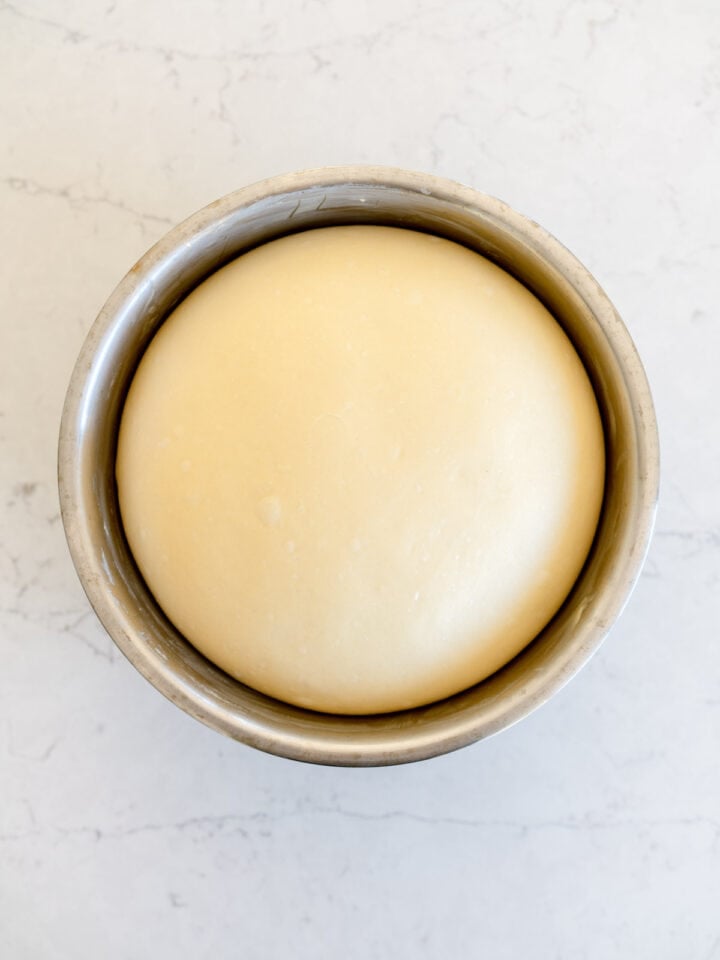
    Filed Under: Brownies, Cookies, Other Cookies Tagged With: Gluten Free

    Peanut Butter Chunk Chocolate Brownies

    stacked up peanut butter brownies

    Take your homemade brownie game to a whole new level with these rich, chocolatey, double peanut butter brownies. Chunks of peanut butter are added to the brownie batter before baking, and then the brownie batter is finished with a peanut butter swirl on top for a marbled effect. Each bite into a brownie square is chocolate-peanut butter heaven!

    cut up peanut butter brownie on wax paper

    Hi hi! Just popping in to share this recipe for Peanut Butter Brownies! I am still working on a huge homemade brownie recipe collection, and keep finding fun things to add to it!

    This peanut butter brownies recipe is another twist on my classic fudgy brownie recipe - this time I added a whole bunch of peanut butter. The result is a super rich chocolate brownie, filled with chunks of peanut butter, and finished with a peanut butter swirl.

    I love adding peanut butter to recipes - especially in the case of these brownies, it adds a super nice twist while being a really really easy variation.

    peanut butter swirled on top of brownie batter

    How to make Peanut Butter Brownies

    These peanut butter brownies are a great make ahead dessert - they need some time to cool down before serving to allow the peanut butter to set, however I don't blame you if you just grab a spoon and go for it. They are particularly good with ice cream. This recipe makes about 16 brownie squares, which are great for freezing for later, but will also keep for a week in the fridge.

    The baking part however is super easy:

    1. Make the brownie mixture. This is a scaled down version of my classic brownie recipe, with peanut butter chunks added.
    2. Add the peanut butter. The peanut butter is added in two additions in this recipe - peanut butter chunks added to the brownie go in first, on top of the brownie batter in the pan. They will sink down slightly as they bake.
    3. Cover over the peanut butter chunks. Use an offset spatula or something similar to cover over the pieces of peanut butter. This gives you a fairly smooth surface to do your peanut butter swirl.
    4. Add the peanut butter swirl. The easiest way to do this is to dollop warmed peanut butter over the surface of the brownie, then swirl with a knife or a toothpick.
    5. Bake. Bake the brownie until the edges are set and the inside is no longer gooey.
    6. Cool. Leave the brownie to cool completely before removing from the pan and slicing. I like to chill it down too before I do this so that it cuts neatly.
    eggs and sugar for brownie
    Eggs and sugar mixture ready to be beaten together for the brownie batter
    egg mix for brownies
    Make sure you beat the eggs and sugar together until light and fluffy

    How to add Peanut Butter to Brownies

    I tried a few different ways to add peanut butter to this brownie recipe when I was testing - the first was to just add a swirl of peanut butter on the top. However I wanted a super intense peanut butter flavor rather than just a swirl.

    The next test was to try freezing blobs of peanut butter and incorporating them into the dough. This turned out to be way more effort than was needed.

    I then tried heating the peanut butter slightly and placing it into a piping bag and injecting blobs of it into the brownie batter. This worked ok, but was still too much effort and if the peanut butter was too runny, then it went everywhere and made a massive mess.

    Finally, I worked out the best way - use room temperature peanut butter, and pipe it in or dollop it on with a spoon. I actually ended up putting it in a piping bag and using kitchen scissors to cut off chunks. It worked great!

    For the peanut butter swirl, I just warmed up a little bit of peanut butter in the microwave and then dolloped it on top of the batter before swirling. If you don't have a microwave you could place it into a heatproof bowl and warm it over a pan of simmering water until it is runny.

    What kind of peanut butter is best for peanut butter brownies?

    I prefer a creamy peanut butter for peanut butter brownies, but you can really use whatever you like here - if you want to use a crunchy variety then go ahead!

    I used a non-natural variety of peanut butter - so one that does not get oil separation within the jar, as I find that this version is easiest to deal with. I have not tried making it with natural peanut butter, but you are welcome to try.

    Brownie with peanut butter chunks
    Brownie with peanut butter chunks before they are covered up
    Peanut butter swirl on top of brownie batter
    PB chunks are covered over, blobs of peanut butter ready to be swirled.

    Here are all my top tips on how to cut brownies cleanly:

    • Wait until they are cool. Even better, give them a wee spin in the fridge before you cut them.
    • Use a nice, sharp chef's knife. This is important. If you want, you can run it under hot water and dry it before you cut it, so you have a hot, dry knife
    • Wipe the blade between cuts. This is important for things like brownies which are fudgy. A clean blade will give you the best chance at a super clean cut on a brownie.
    • If it all gets wonky and messy, don't worry. They will still taste good. I've been all set to shoot a recipe and cut my brownies wonky and had a meltdown - i've been there I promise. We still ate them.

    How to tell when brownies are done

    The best way to tell when brownies are done is to check if they are set. Baked brownies will be set around the edges, and if you insert a knife or skewer into the centre (not into a piece of peanut butter), it should come out with a few moist crumbs attached.

    With that being said, you are best to under bake your brownies rather than over bake them if you can. I like to chill mine down before cutting into them which makes them even fudgier.

    For all my best tips and tricks on how to get a perfect crinkly top on brownies, check out my post: Fudgy Homemade Brownies

    baked sliced peanut butter brownies

    Can Brownies be made ahead of time?

    Yes, this peanut butter brownie recipe is the perfect make ahead dessert. In fact, I prefer to make my brownies ahead of time in order to give them time to properly cool before slicing them.

    If you want extra fudgy brownies, once cool, lightly cover the baking pan in plastic wrap and chill for a few hours or up to overnight. Cold brownies are my favourite.

    chunks of peanut butter in brownie

    Frequently Asked Questions

    What tools and equipment do you use?
    You can find a full list of the tools and equipment I use on my products page

    How do you store Peanut Butter Brownies?

    Store peanut butter brownies in an airtight container at room temperature or in the fridge. They will keep a few days at room temperature and up to a week in the fridge.

    Can you freeze Peanut Butter Brownies?

    Yes, brownie recipes freeze well. Place them into an airtight container in the freezer. They will freeze for up to 3 months. Defrost in the fridge or at room temperature before eating.

    Can I add chocolate chips?
    You can do whatever you like here. Add some nuts or some chocolate chips - whatever takes your fancy.

    Can I make these into Biscoff brownies?
    Yes - this works perfectly! I just subbed the peanut butter for biscoff spread. I also used black cocoa to offset the sweetness of the biscoff but the regular Dutch process will work great too.

    Can I make this recipe in a round pan?
    Yes - I made them in a 10" round pan and they were great.

    baked sliced peanut butter brownie
    stacked up peanut butter brownies

    For more Brownie Recipes, check out:

    • corner shot of sliced brownies
      Super Quick Thick Brownie Frosting
    • pieces of caramel brownie on a wire rack
      Caramel Brownies
    • brownie pie with whipped cream
      Fudgy Brownie Pie
    • brownie with icing and sprinkles
      Homemade Cosmic Brownies

    ❤️ Made this recipe and love it? ❤️

    I would LOVE for you to leave me a review and star rating below to let me know how you liked it! Also, please make sure to tag me on Instagram!

    Answers to your baking questions

    Over the years, many of you have asked me questions about:

    • baking in grams
    • adjusting oven temperatures
    • what kind of salt to use
    • and many more!

    I've curated and answered them all for your easy reference in this frequently asked questions post!

    Filed Under: Brownies

    Caramel Brownies

    pieces of caramel brownie on a wire rack

    This caramel brownie recipe combines the best of both worlds - a rich and fudgy chocolate brownie filled with chunks of chewy homemade caramel. Caramel Brownies are a riff on my ultimate homemade brownie recipe and are perfect for if you want to take your brownie game to the next level!

    stacked caramel brownie on a tray

    Hi hi! Just popping in to share this recipe for caramel brownies with you! I have been playing around with variations of my classic fudgy brownie recipe for a while to create an epic brownie recipe collection.

    So far some recent faves include my cheesecake brownies, cosmic brownie, an epic brookie recipe, and my brownie pie, but I was having a think recently and decided it was also time for a caramel brownie recipe, and here we are! The brownie caramel flavour combination is really just so so good - I made a super chewy caramel, cut it into chunks, and popped it into my brownie batter. It turned out to be an A plus move, and one I will be repeating again very soon in the near future.

    This recipe makes about 20 brownies, so make some and give some away, or stash them in your fridge or freezer for whenever you need a caramel brownie fix!

    cut caramel on cutting board
    Cut up caramels into chunks to add to the brownie
    chunks of caramel on a brownie
    Place chunks of caramel onto the surface of the brownie

    How to make caramel brownies

    This caramel brownie is essentially the love child of my classic brownie recipe and my millionaire's shortbread filling. I played around a bunch with the recipe - starting with a classic caramel sauce swirl, but it was getting lost in the chocolate brownie mixture, so I amped things up a bit further:

    1. Make the caramel chunks. This is a cooked caramel, which needs to be made in advance and left to cool before making the brownie part. I like to put it in the fridge until there is no heat at all left in it - usually 1-2 hours, but you can do this part a day ahead if you like.
    2. Make the brownie mixture. This is super easy - we use my regular brownie recipe, but it is baked in a 9x13" pan rather than my regular 9" pan. It comes out a similar thickness to the regular recipe with the offset of the added caramel chunks.
    3. Cut the caramel into chunks. Use a nice sharp knife for this, and cut the caramel into squares - I went for an 8x8 grid but you can make them whatever size you want.
    4. Add the caramel to the brownie. Plop the squares of chopped caramel on top of the brownie batter. I don't press mine in, as they melt into the brownie and it puffs up a little around them. You may not be able to fit them all - just store any leftover in the fridge for a snack.
    5. Bake the brownie. I give my caramel brownies 25-28 minutes in the oven - you want the outside edge to be set. The caramel will begin to bubble slightly.
    6. Remove from the oven and cool. I like to serve these cold from the fridge, so the caramel gets super chewy, but if you would like to serve them at room temperature just leave them to cool then cut - however it may be more difficult to cut them up!
    piece of caramel brownie on pan

    Chewy Homemade Caramel

    To me, the best part of these caramel brownies is the chewy homemade caramel chunks. This caramel is easy to make, if you have a little patience and a thermometer.

    All you do to make the caramel is combine all the ingredients into a saucepan, bring to a boil, then cook until the mixture reaches the 'soft ball stage' (240°f / 120°c) - where it will set into a smooth chewy caramel that isn't super hard.

    This recipe would work great as a wrapped caramel recipe too - any leftovers are delicious just stored in the fridge and eaten as is.

    It is important to use a thermometer for this recipe. I prefer a digital thermometer (I use a thermapen but any digital thermometer should work), but please don't try to guess what stage the caramel is at - you run the risk of either over cooking it or not cooking it enough, which will mean that it is too hard, or too soft to cut.

    You will be stirring for a while - the caramel tends to reach a certain temperature then take a while to cook the last little bit. Just keep stirring and be patient. Turn the heat down if you are worried it is cooking too fast. You want to make sure that it doesn't catch on the bottom of the pan. If you do get a few brown bits, that is totally fine!

    Get the Caramel recipe that I use for these brownies in my recipe - foolproof chewy homemade caramel

    caramel for brownies set in pan
    Make sure your caramel is fully set and has no heat left in it before cutting.
    eggs and sugar for brownie
    Egg and sugar mixture for brownies
    egg mix for brownies
    Whipped eggs and sugar is essential for getting a crackly top on the brownie!
    brownie batter
    Make sure to only just incorporate your flour into your brownie batter - do not over mix if you can!

    How to cut Brownies Cleanly

    Here are all my top tips on how to cut brownies cleanly:

    • Wait until they are cool. Even better, give them a wee spin in the fridge before you cut them. This is especially important for a caramel brownie recipe like this one where the caramel is a little melty..
    • Use a nice, sharp chef's knife. This is important. If you want, you can run it under hot water and dry it before you cut it, so you have a hot, dry knife
    • Wipe the blade between cuts. This is important for things like brownies which are fudgy. A clean blade will give you the best chance at a super clean cut on a brownie.
    • If it all gets wonky and messy, don't worry. They will still taste good. I've been all set to shoot a recipe and cut my brownies wonky and had a meltdown - i've been there I promise. We still ate them.

    How to tell when brownies are done

    The best way to tell when brownies are done is to check if they are set. Baked brownies will be set around the edges, and if you insert a knife or skewer into the centre (not into a piece of caramel), it should come out with a few moist crumbs attached.

    With that being said, you are best to under bake your brownies rather than over bake them if you can. I like to chill mine down before cutting into them which makes them even fudgier.

    For all my best tips and tricks on how to get a perfect crinkly top on brownies, check out my post: Fudgy Homemade Brownies

    baked caramel brownies

    Can Brownies be made ahead of time?

    Yes - brownies are a great make ahead dessert. In fact, these caramel brownies do best if you make them a few hours before you are wanting to serve them, to give them enough time to cool down before cutting. Make sure you account for time for the caramel to cool down before making the brownie layer.

    If you want super fudgy brownies, once cool, you can put the whole pan, lightly covered with plastic wrap, into the fridge overnight or until completely cool. Cold brownies are my favourite.

    How do you store caramel brownies?

    Store your caramel brownies in an airtight container either at room temperature or in the fridge. I prefer them chilled - the caramel goes super chewy and delicious. They will last in the fridge for up to a week.

    Can Brownies be frozen?

    These caramel brownies will freeze well - just pop into an airtight container then place into the freezer. They will freeze for up to 3 months. Defrost in the fridge or at room temperature.

    brownie on wire rack

    ❤️ Made this recipe and love it? ❤️

    I would LOVE for you to leave me a review and star rating below to let me know how you liked it! Also, please make sure to tag me on Instagram!

    Answers to your baking questions

    Over the years, many of you have asked me questions about:

    • baking in grams
    • adjusting oven temperatures
    • what kind of salt to use
    • and many more!

    I've curated and answered them all for your easy reference in this frequently asked questions post!

    Filed Under: Bars and Slices, Brownies

    30 Minute Banana Bread Muffins

    baked muffins in a muffin pan

    These easy banana bread muffins come together in less than 30 minutes and are a great recipe to use up overripe bananas. This banana bread muffin recipe gives you all the flavour of a classic banana bread, but in a fraction of the baking time!

    Hi hi! I am just popping in to share this super easy banana bread muffin recipe! I recently posted my banana chocolate chip muffin recipe, and wanted to follow it up with the recipe for banana bread muffins.

    I love making homemade banana bread, but sometimes I don't want to wait the full hour that it takes to bake in the oven - enter these banana bread muffins. They have the exact same taste and texture as a banana bread, but bake up in far less time, making them a super quick and easy alternative. They are great way to use up leftover bananas!

    I am slowly filling up my muffin recipe collection here on the site (it is weirdly lacking, not sure if that makes me a terrible baking blogger or not?!), and these banana muffins are the perfect addition, if I may say so myself!

    If you are after a dairy free or egg free muffin recipe, check out my vegan banana muffin recipe! I also love my banana chocolate chip muffin recipe if you're looking for a lighter textured muffin than this one!

    broken open banana muffins
    banana muffin batter in a pan

    How to make banana muffins

    This easy banana bread muffin recipe truly couldn't be more simple - you just mix up a classic banana bread batter, and plop it into your muffin pans!

    This is a super simple recipe - you cream together your butter and sugars (we use both brown and white sugar in this banana muffin recipe), add the eggs, then pop in the mashed banana mixture and yoghurt. You then fold in the dry ingredients, and the batter is plopped into the prepared muffin pans.

    I like to sprinkle mine with a little raw / turbinado sugar just for a little crunch, but you do you here! You can finish them any way that you like. They then have a quick spin in the oven, and you are all good to go!

    How to tell when muffins are done

    The best way to tell when a muffin is done is to give one a gentle poke with your finger. You want it to spring back completely. You can also insert a toothpick or skewer into the middle - when it comes out with only a few moist crumbs attached, you know your muffins are properly baked.

    Muffin liners vs no muffin liners

    I often make my own parchment paper muffin liners, but for this banana bread recipe I baked them directly in the muffin pan. I love that nice caramelised edge that banana bread has, and didn't want to sacrifice that with my banana bread muffin recipe. Make sure that your pan is well greased / you are using one that you know won't stick too much so that your muffins remove easily! If you are worried, the recipe will also work great using regular muffin liners.

    To see how to make your own parchment paper liners, check out my post: 30 Minute Banana Chocolate Chip Muffins

    baked banana muffin on wire rack

    How to mash bananas

    Confession: I hate mashing bananas. It's one of my least favourite tasks. However, enter my handy trick: using a handheld electric mixer to mash my bananas. You can use a fork or a masher to mash bananas if you like, but giving them a quick mix with the mixer gets the job done super quick, and you're using the mixer anyway, so it really makes sense!

    How to make banana muffins moist

    Often muffins can be a little bit boring if you ask me - and they can very often be dry. While banana bread muffins don't often run that risk as much as something like a chocolate muffin, I have a few wee things I do to help keep these banana muffins nice and moist, the main one being the addition of a little bit of greek yoghurt!

    I love using yoghurt in my baking recipes - it makes it's way into a bunch of things including my vanilla cake and my tiramisu cake. What it does is provide moisture without adding too much liquid. If you don't have greek yoghurt on hand, you can easily sub in some sour cream if you have some that needs to be used up!

    The tip to a perfectly domed muffin

    I use two baking temperatures in this banana bread muffin recipe, in order to get a nice springy, domed muffin. It is particularly important for a more dense recipe like a banana bread muffin.

    The muffins go into the oven at a relatively high heat (430°f / 220°c) for 10 minutes, then the oven temperature is dropped to 375°f / 190°c. The reason for the initial blast of heat is to give the muffins a chance to puff up nicely in the oven, giving them that lovely domed top. The final baking time at a lower temperature gives the insides of the muffin a chance to bake fully.

    baked banana muffins

    Can this recipe be made into jumbo muffins?

    I tried, and it got a bit weird. They were super flat because they needed so long in the oven. It does work, but I much prefer regular sized muffins. It would however make super yum mini banana muffins!

    How do you store muffins?

    Store muffins in an airtight container at room temperature. I like to eat them fresh on the day that they are made, then zap them briefly in the microwave or toast lightly before serving if it is past the day that you made them on.

    Muffins with frozen bananas

    Can you make banana muffins with frozen bananas? Absolutely you can. If you are using frozen bananas, defrost the bananas then discard any super wet liquid, then weigh out the quantity you need and proceed with the recipe. This is another reason why baking in grams is so good - regardless of whether your bananas are fresh or frozen, you still end up with the correct quantity (there truly is nothing worse than a recipe calling for four bananas and not specifying the size)

    Can muffins be frozen?

    Another thing I love about muffins - they freeze super well. Just pop them into an airtight container or a ziploc bag and freeze for up to 3 months, then bring out and defrost at room temperature. I prefer to re warm them or toast them slightly if I am eating them from frozen.

    baked banana muffins

    Frequently Asked Questions

    What tools and equipment do you use?
    You can find a full list of the tools and equipment I use on my products page

    Which pan did you use?
    My favourite muffin pan is a USA pan muffin pan - they are super non stick, and a great investment! You can use whatever pan you like though!

    Can I add mix-ins to banana muffins?
    Yes - add whatever you like! Chocolate chips would be super yum, or stir in some nuts such as toasted pecans or chopped walnuts just before you add the batter to the tins.

    baked banana muffins in pan

    For more Banana recipes, check out:

    • Nutella and Banana Rolls
    • Banana Layer Cake with Salted Caramel Filling and Peanut Butter Swiss Meringue Buttercream
    • vegan banana muffins
      Vegan Banana Muffins

    ❤️ Made this recipe and love it? ❤️

    I would LOVE for you to leave me a review and star rating below to let me know how you liked it! Also, please make sure to tag me on Instagram!

    Answers to your baking questions

    Over the years, many of you have asked me questions about:

    • baking in grams
    • adjusting oven temperatures
    • what kind of salt to use
    • and many more!

    I've curated and answered them all for your easy reference in this frequently asked questions post!

    Filed Under: Muffins

    30 Minute Banana Chocolate Chip Muffins

    top down image of baked banana chocolate chip muffins

    These easy Banana Chocolate Chip Muffins are soft and moist. They are the perfect way to use up ripe bananas, and freeze well so you can always have muffins on hand! This banana chocolate chip muffin recipe makes 7 muffins but can easily be scaled to use any bananas you have!

    muffin cut open on wax paper

    Hi hi! Just popping in to share this recipe for my super easy homemade banana chocolate chip muffins! These are a bit of a riff on the recipe that I grew up eating that my Mum made. I have been meaning to get a non vegan version of my vegan banana muffins up here for a while, because we all love options!

    These banana chocolate chip muffins tick a bunch of boxes for me - they come together quickly, and are a great way to use up extra ripe bananas that I know that you have on your counter right now! These can be done in 30 minutes and don't require any fancy ingredients or equipment.

    I have a ton of other homemade muffin recipes on my website too if you are after some more options!

    chocolate chip muffin batter in muffin pan
    cut open banana chocolate chip muffin

    Does resting muffin batter make a difference?

    I know a lot of recipes often get you to rest the batter for muffins. This is to let the flour hydrate a little, which is meant to help the texture.

    I tested resting the batter for this banana chocolate chip muffin recipe and didn't see a big difference, and to me, muffins should be a quick throw together recipe. These banana chocolate chip muffins come together in less than 30 minutes - no resting needed!

    side on shot of banana muffin batter

    Homemade Muffin Liners for Bakery style muffins

    I like making my own paper liners for muffins - using a square of parchment paper that extends over the edge of the hole in the muffin cup means that you get a lovely tall lofty bakery style muffin.

    To make your own muffin liners, cut 14cm (5.5") squares of parchment paper, and use a drinking glass or something similar to press them into the pan - you may need to use a little of the muffin batter to hold them down.

    If you don't want to make your own liners, regular cupcake liners work great too, or if you trust your muffin pan you can bake them straight into a greased pan. Because they aren't being supported by the paper they will spread into a little more of a muffin top, but I promise that it tastes the same!

    top down image of baked banana chocolate chip muffins

    The Key to a good muffin top - an initial blast of heat.

    You will notice that there are two temperatures in this banana chocolate chip muffin recipe - an initial higher temperature for the first 10 minutes, then you drop the temperature down for the remainder of the bake time.

    I found that during my recipe testing process this initial first blast of temperature helps the muffin to get a good rise on it, and the lower temperature for the second part of the bake ensures that the middle of the muffin is baked all the way through.

    baked banana chocolate chip muffin in muffin pan

    My favourite way to reheat homemade muffins

    Banana chocolate chip muffins are amazing fresh on the day that they are made, but if you are eating them after that, I recommend either quickly zapping them in the microwave to refresh them, or if you're feeling spicy, split them in half vertically, butter both halves, and place face down on a griddle or skillet. They get super toasty and a little bit caramelised and it's very, very good.

    What makes a tough muffin?

    The main culprit to a tough muffin is over mixing - this develops gluten in the mixture and causes the muffin to be chewy. Make sure that when you are adding the wet ingredients to the dry ingredients you carefully fold the mixture in - do not whisk or stir too hard. Leave a few streaks of flour when you add the chocolate to ensure that you do not over mix when incorporating it in.

    banana chocolate muffin on a rack

    ❤️ Made this recipe and love it? ❤️

    I would LOVE for you to leave me a review and star rating below to let me know how you liked it! Also, please make sure to tag me on Instagram!

    Answers to your baking questions

    Over the years, many of you have asked me questions about:

    • baking in grams
    • adjusting oven temperatures
    • what kind of salt to use
    • and many more!

    I've curated and answered them all for your easy reference in this frequently asked questions post!

    Filed Under: Muffins

    Basic Gingerbread Cookie Dough

    gingerbread cookie dough with cut outs

    This easy gingerbread cookie dough is great for making cut out gingerbread cookies. It can be used to make a wide range of gingerbread cookies and is a great make ahead gingerbread cookie dough for your holiday baking!

    gingerbread cookie dough with cut outs

    Hi hi! Just popping in to share the recipe for this easy gingerbread cookie dough! This is the cookie dough that I use as the base of my gingerbread cookie recipe, and is going to be a great back pocket recipe, whether you are making holiday cookies or christmas cookies, or you just need a good gingerbread fix!

    This recipe is essentially a gingerbread version of my basic sugar cookie recipe, which is made with my sugar cookie dough recipe. It is filled with brown sugar and molasses, and lots of spices, all mixed into a really easy gingerbread dough that is perfect for so many occasions. It is extra delicious finished off with my simple sugar cookie icing.

    baked gingerbread cookies in a stack

    Ingredients in Gingerbread Cookie Dough

    This easy gingerbread dough has a fairly simple ingredients list - it does have a bunch of spices in it, but you can always mix and match those depending on what you have one hand!

    • Unsalted butter. The base of almost every good cookie recipe. I use unsalted butter, but if you only have salted, just omit the salt from the recipe.
    • Brown sugar. Either light brown sugar or dark brown sugar will work in this recipe.
    • Molasses. This provides a richness of flavour, and also texture. Regular molasses or blackstrap will work here, I have tested it with both. It's worth tracking it down if you can, otherwise treacle is a good substitute for molasses.
    • Egg. Just one large egg, to help hold things together. I haven't tried making this without the egg.
    • All-purpose flour. Also known as plain flour - you want to use a flour without too much protein in it so that the gluten doesn't develop.
    • Baking soda. I added just a little to help give my gingerbread cookies a little puffiness.
    • Spices. I use a mixture here - mainly ginger and cinnamon, and then also some cardamom, nutmeg, cloves, and allspice. If you don't have one of those, you can replace with more cinnamon or cardamom or spice of your choice.
    gingerbread cookie dough

    How to scale Gingerbread Cookie Dough recipe

    This sugar cookie dough recipe is super easy to scale - you can use the scaling button on the recipe card. Because you roll it out between pieces of parchment paper, you can just divide up the dough once it has been mixed, and roll each out to size.

    I wouldn't do more than a triple of this recipe at once as your mixer may not be able to cope with it, but I have doubled it and it came out just fine, so a triple mix should be good to go.

    gingerbread cookie dough ready to roll

    How to evenly roll out gingerbread cookie dough

    I roll out my sugar cookie dough between two pieces of parchment paper. I use pre-cut paper the size of a half sheet pan (16.5" x 12.25" / 42x32cm), and the dough, rolled to the correct thickness, should almost fill the space between the two sheets.

    I also use rolling pin guides, which are silicone strips that lay down either side of the dough. The rolling pin presses down onto them to help the dough be rolled to an even thickness.

    Make sure that you flour the parchment paper before placing the dough down, and add another sprinkle of flour on the top to help prevent sticking.

    Can Gingerbread cookie dough be made in advance?

    This gingerbread cookie dough is great to make in advance. The rolled out dough can be stored up to 3 days in the fridge before cutting out and baking, or you can store the cut-out cookies in the freezer before baking.

    cookie dough ready to bake

    Frequently Asked Questions

    What tools and equipment do you use?
    You can find a full list of the tools and equipment I use on my products page

    How do I stop my gingerbread cookie dough from sticking?

    Make sure that the parchment paper is lightly floured before placing the dough down, then lightly flour the top surface of the dough too before topping with a second piece of parchment paper. I haven't tried using a silicone mat for rolling this cookie dough out or baking it on - you are welcome to give it a go but I am a parchment paper girl!

    How many cookies does this recipe make?

    This recipe makes about 20-30 gingerbread cookies, depending on how big your cutters are. I used a 3" / 75mm cookie cutter to make most of the round ones, along with a slightly smaller round cutter and got about 20 cookies, with one round of re-rolling the dough.

    gingerbread dough spices

    For more holiday cookie recipes, check out:

    • 6 Ingredient Peppermint Patties
    • Soft Sugar Cookie Bars
    • wire rack with snickerdoodles
      25 minute Snickerdoodle Cookies
    • chocolate crinkle cookies
      20 minute Chocolate Crinkle Cookies

    ❤️ Made this recipe and love it? ❤️

    I would LOVE for you to leave me a review and star rating below to let me know how you liked it! Also, please make sure to tag me on Instagram!

    Answers to your baking questions

    Over the years, many of you have asked me questions about:

    • baking in grams
    • adjusting oven temperatures
    • what kind of salt to use
    • and many more!

    I've curated and answered them all for your easy reference in this frequently asked questions post!

    Filed Under: Base Recipes, Cookies, Holiday Cookies

    Easy Gingerbread Cookies

    baked gingerbread cookies

    Soft and Chewy Gingerbread Cookies are fun and easy to make. Made with a spicy gingerbread dough, they are crisp around the edges and soft in the middle, and make the most perfect cut-out cookies!

    baked gingerbread cookies

    Hi! I am just popping in to share this gingerbread cookie recipe with you!

    Until this year, I didn't have many holiday cookie recipes on my blog. When I first started my baking blog, I felt a bit weird about making recipes for cookies or holiday bakes that are super nostalgic and not being able to do them justice. 100% a me problem, and something I've overcome, but it took me a long time - I've been running this blog for 7 years now.

    Anyway, now i'm deep in the holiday / christmas cookies spirit, and having the best time - top hits include my snickerdoodle recipe, my gingerbread loaf cake, and my easy gingersnap recipe.

    I hadn't posted a gingerbread cookie recipe here for the same reason I waited to post my cut out sugar cookie recipe - I wanted it to be just what I wanted, and something that is really worth carving out time during the busy holiday season to make.

    So here it is - what is to me, the best gingerbread cookie recipe, perfect for your gingerbread men cookies (or gingerbread people!), cut out gingerbread cookies, and whatever else you might use a classic gingerbread cookie recipe for. A super simple gingerbread cookie dough, and a very versatile gingerbread cookie.

    baked gingerbread cookies

    Why I love this Gingerbread Cookie Recipe

    I love this easy gingerbread cookie recipe for many reasons, here are some of them:

    • Easy to work with dough. I wanted a gingerbread cookie dough that was easy to work with and wasn't going to be a hassle. I feel like so often roll out cookies have a difficult dough to work with, and honestly, I just don't have time for that. We get around this by rolling the dough out between two pieces of parchment paper directly after making it, and it chills that way, so when it comes time to cut it out, you are all ready to go.
    • Tastes delicious. I like a pretty spicy gingerbread cookie, but it has to be a good blend of spices. There are quite a few in this recipe, but you can sub them out or mix and match depending on what you have on hand. This recipe uses molasses which gives an amazing depth of flavour too, without making the dough too hard to work with.
    • Soft and Chewy gingerbread texture. I prefer my cookies a little on the softer side, with more resistance around the edges. You can bake these gingerbread cookies as much or as little as you like if you prefer them a little more firm.
    • Easy to make ahead. I love a recipe which gives options on how to make ahead - whether that be preparing the dough ahead of time, or storing the finished gingerbread cookies in the freezer.
    gingerbread cookie dough with cut outs

    How to make gingerbread cookies

    This Gingerbread Cookies recipe does require some chill time, but it is great to make ahead.

    • Make the gingerbread cookie dough. I have a separate post on how to make gingerbread cookie dough, which covers spices, ingredients in gingerbread cookies, and all my tips and tricks on rolling out the dough. You can either do this in a stand mixer or with an electric mixer in a large mixing bowl.
    • Chill. This gingerbread cookie recipe needs at least two hours of chill time, or this step can be done up to a few days in advance.
    • Cut out. Use whatever cutters you feel like to make gingerbread cookies - either something seasonal, or just simple geometric shapes.
    • Bake. I prefer soft and chewy gingerbread cookies, so I bake them until they are just done, but you are welcome to change the bake time if you prefer a more crunchy gingerbread.
    • Decorate. I ran out of time when I was shooting these gingerbread cookies, but they are amazing decorated with the cookie icing of your choice - I have a full recipe on my website for sugar cookie icing which would be perfect with these gingerbread cookies, particularly the lemon version! It's just a powdered sugar and milk situation, but is so good!
    cut out gingerbread cookie dough

    Can gingerbread Cookies be made ahead of time?

    This is the same information that is on my sugar cookie post, but it also applies to this gingerbread cookie recipe!

    This is a great recipe to make ahead, and you can break up the workload in a number of ways:

    • Make the gingerbread cookie dough ahead of time. Gingerbread cookie dough can be made and stored in the fridge in parchment paper for up to three days before you cut out the dough and bake.
    • Store the cut-outs in the freezer. Once you have cut out the shapes, you can flash freeze them and store in the freezer, then bake from frozen. See more on this in my how to make sugar cookie dough post.
    • Make the cookies in advance and store at room temperature. The baked gingerbread cookies will store up to a week at room temperature in an airtight container, so they can easily be made ahead.
    • Freeze the baked cookies. If you want to freeze the baked cookies themselves, you can also do this - I personally prefer them freshly baked, but you can freeze them if you like!

    How to freeze gingerbread cookies

    Yes - if you want to freeze the baked gingerbread cookies, layer the cooled cookies with parchment paper in an airtight container, then freeze for up to three months. Defrost at room temperature before eating.

    How to get a clean cut on gingerbread cookies

    Gingerbread cookie dough can be a little finicky to work with, but the best way to mitigate this is to chill your dough. Rolling out the dough while it is warm means that it is easy to roll out, and easy to get a nice even thickness, but then chilling it down means that you get a nice sharp cut out on your cookies and it makes it far easier to work with.

    As you are cutting out the gingerbread cookies, if your dough starts to warm up too much or is too hard to work with as it is soft, just pop it back in the fridge for 10 minutes or into the freezer for 5 minutes to let it firm up, then remove it and keep cutting.

    gingerbread cookie dough

    How to roll out gingerbread cookie dough

    I roll out my gingerbread dough between two pieces of parchment paper. I use pre-cut paper (16.5" x 12.25" / 42x32cm), and the dough, rolled to the correct thickness, should fill the space between the two sheets.

    I also use rolling pin guides, which are silicone strips which lay down either side of the dough and the rolling pin presses down onto them to help the dough be rolled to an even thickness.

    Can I re roll the scraps?

    Yes, you can press the scraps of the gingerbread cookie dough together after cutting and re-roll. However, be aware that the more you work the dough and add extra flour, the tougher it will be and you may not get a nice neat surface. I like to use small cookie cutters to cut out little pieces of dough to make the most out of each roll out - they make very good snacks!

    For all my tips and tricks on super easy gingerbread dough, check out my post: How to make gingerbread cookie dough

    How to tell when gingerbread cookies are baked

    Look for the edges and surface of your gingerbread to be set, and just starting to colour around the edges. Remember that they will finish up baking and set up on the cookie sheet as they cool.

    Separate the cookies by size on baking sheets if you are making multiple sizes, as smaller cookies bake for less time. I like to check for doneness after 10 minutes for smaller cookies, or 13 minutes for larger cookies.

    If you would like your cookies to be on the crisper side, simply increase the baking time - you may want to do a test bake first to find your ideal gingerbread cookie texture.

    Best icing for Gingerbread Cookies

    There are a bunch of ways you can finish gingerbread cookies - I ran out of time to shoot these all decorated, but if you want a great icing recipe that is perfect for decorating, my sugar cookie icing would work great here. There are a bunch of flavour suggestions in the post too!

    baked gingerbread cookie

    Frequently Asked Questions

    What tools and equipment do you use?
    You can find a full list of the tools and equipment I use on my products page

    How many cookies does this gingerbread cookie recipe make?

    This recipe makes about 20-30 gingerbread cookies, depending on how big your cutters are. I used a 3" / 75mm cookie cutter to make most of the round ones, along with a slightly smaller round cutter and got about 20 cookies, with one round of re-rolling the dough.

    Can this recipe be used to make gingerbread houses?

    I haven't tried it sorry, so i'm not too sure. It is definitely something that I want to give a go, but I can't say for certain if this particular gingerbread cookie recipe works for houses as it does puff a teeny bit, but if you baked it for longer and left out the baking soda it might work!

    Can I bake two trays at a time?

    If you trust your oven, by all means go ahead and bake two trays at once. You will want to switch the trays top and bottom half way through. However I prefer to bake them one tray at a time - you can just store extra cookies in the freezer until you are ready to bake them.

    How do you store gingerbread cookies?

    The baked gingerbread cookies will store up to a week at room temperature in an airtight container, so they can easily be made ahead.

    Can these be made as drop cookies?

    No - these are a cut out gingerbread cookie. If you are after a spicy drop cookie (a scoop and bake), check out my ginger molasses cookies, or my thin and crispy gingersnap cookies.

    easy cut out gingerbread cookies

    For more easy roll-out cookies, check out:

    • vanilla frosting piped on a cupcake
      Super Silky Classic Vanilla Buttercream (Frosting)
    • add top layer of cake
      How to Frost a Cake - the Ultimate Guide
    • cake pan with bake even strip
      Cake Strips - the secret to flat cake layers
    • frosted vanilla cake
      Vanilla Swiss Meringue Buttercream - Yes You Can!

    ❤️ Made this recipe and love it? ❤️

    I would LOVE for you to leave me a review and star rating below to let me know how you liked it! Also, please make sure to tag me on Instagram!

    Answers to your baking questions

    Over the years, many of you have asked me questions about:

    • baking in grams
    • adjusting oven temperatures
    • what kind of salt to use
    • and many more!

    I've curated and answered them all for your easy reference in this frequently asked questions post!

    Filed Under: Cookies, Holiday Cookies

    2 Ingredient Sugar Cookie Icing

    piped sugar cookies

    My Easy cookie icing only has 2 ingredients and takes minutes to make. This homemade icing can be used to decorate any cookie recipe, and is perfect for beginners or baking with kids! Use this cookie icing recipe to decorate my easy sugar cookies!

    piped sugar cookies

    Hi hi! Just popping in to share this super simple 2 ingredient sugar cookie icing with you! I've made a whole lot of sugar cookies in my time, and while royal icing is super pretty and great for piping intricate details, it can be a little more fiddly to make, and to be honest, it's not my favourite thing to eat.

    Enter this super easy, almost instant sugar cooking icing. Made with just two ingredients, and relying on a basic ratio, it's perfect for decorating your cookies if you are looking for a simple cookie icing recipe. It works great on sugar cookies but also makes an amazing gingerbread cookie icing.

    While it's not as pretty as royal icing, it can still be used to pipe basic details on cookies, and it's great for providing a base for loads of sprinkles. This cookie icing dries hard, and is perfect for if you're decorating cookies with kids or you just want something nice and easy, and super delicious. So, make yourself a batch of sugar cookie dough, or a batch of gingerbread cookies, and get decorating!

    decorated sugar cookies
    stacked up baked sugar cookies

    Why I Choose this recipe over royal icing

    Here's why I love this super easy sugar cookie icing:

    • It couldn't be easier. This two ingredient icing is just a stir together situation, meaning that it comes together in minutes.
    • You can adjust the consistency. Add more or less milk to your liking if you would like this cookie icing to be thinner or thicker depending on your project.
    • Tastes delicious. This cookie icing has that super nostalgic, crunchy sweet icing flavour. Both my husband and I immediately said it reminded us of childhood.
    • Easy to pipe. While it's not as neat as something like a royal icing, this simple sugar cookie icing can be piped to make basic designs on a cookie. If you wanted more 3D designs you would make a sugar cookie frosting which is more of a buttercream style.
    • No raw egg whites. Sometimes royal icing has an egg white base, which can be avoided with meringue powder, but I wanted to provide a safe, easy sugar cookie icing recipe you don't have to worry about raw eggs with.

    The ideal icing ratio for an easy to work with cookie icing: 100g powdered sugar : 15g whole milk.

    piped and sprinkle covered sugar cookies

    Top Piping Tip: I find that the best way to stop icing from oozing out the piping bag is to place a clip on the end. This stops the cookie icing from sneaking out while you are piping and is especially helpful if you have small hands helping you.

    ❤️ Made this recipe and love it? ❤️

    I would LOVE for you to leave me a review and star rating below to let me know how you liked it! Also, please make sure to tag me on Instagram!

    Answers to your baking questions

    Over the years, many of you have asked me questions about:

    • baking in grams
    • adjusting oven temperatures
    • what kind of salt to use
    • and many more!

    I've curated and answered them all for your easy reference in this frequently asked questions post!

    Filed Under: Base Recipes, Holiday Cookies, Sugar Cookies Tagged With: Egg Free, Gluten Free

    Basic Sugar Cookie Dough

    cut out sugar cookie dough

    This easy sugar cookie dough recipe is the perfect base sugar cookie recipe. It can be used to make a wide range of sugar cookie recipes, and is great to prepare in advance. Use it to make my easy roll-out sugar cookie recipe, which pairs perfectly with my 2 ingredient sugar cookie icing.

    cut out sugar cookie dough

    Hi hi! Just popping in to share my super easy sugar cookie dough recipe! I wanted to give this dough a special home all to itself, and make an ultimate guide on how to make the best sugar cookie dough (to me, anyway).

    This is a super versatile cookie dough recipe, which I use as the base of my sugar cookie recipe. You can flavor it as you like, and it is perfect to make ahead and chill in the fridge so you can have soft, freshly baked sugar cookies whenever you need them.

    This simple sugar cookie dough is great for all sorts of purposes - whether you are making holiday cookies, christmas cookies, or cookies for any special occasion, it is hopefully going to be your new best friend!

    sugar cookie dough
    Dough ready to go
    funfetti sugar cookie dough
    Add sprinkles for a funfetti twist

    How to scale sugar cookie dough recipe

    This sugar cookie dough recipe is super easy to scale - you can use the scaling button on the recipe card. Because you roll it out between pieces of parchment paper, you can just divide up the dough once it has been mixed, and roll each out to size.

    I wouldn't do more than a triple of this recipe at once as your mixer may not be able to cope with it, but I have doubled it and it came out just fine, so a triple mix should be good to go.

    The amount of cookies this recipe makes depends on how you cut them - it will obviously make a large number of small cookies or less larger ones. The best part is that it freezes well so they are great to make ahead.

    cut out funfetti cookie dough

    How to roll out sugar cookie dough evenly - a game changing tip!

    During recipe testing I used to chill the dough first and then roll it out which was a huge waste of time. Now I roll it fresh from the mixer and then chill it. I roll out my sugar cookie dough between two pieces of parchment paper. I use pre-cut paper the size of a half sheet pan (16.5" x 12.25" / 42x32cm), and the dough, rolled to the correct thickness, should almost fill the space between the two sheets.

    I also use rolling pin guides, which are silicone strips that lay down either side of the dough. The rolling pin presses down onto them to help the dough be rolled to an even thickness.

    Make sure that you flour the parchment paper before placing the dough down, and add another sprinkle of flour on the top to help prevent sticking.

    creamed butter and sugar
    Creamed butter and sugar

    The perfect make ahead sugar cookie dough

    This sugar cookie dough is great to make in advance. The rolled out dough can be stored up to 3 days in the fridge before cutting out and baking, or you can store the cut-out cookies in the freezer before baking - I go into this in my roll-out sugar cookie post

    unbaked funfetti sugar cookies
    baked cookies

    ❤️ Made this recipe and love it? ❤️

    I would LOVE for you to leave me a review and star rating below to let me know how you liked it! Also, please make sure to tag me on Instagram!

    Answers to your baking questions

    Over the years, many of you have asked me questions about:

    • baking in grams
    • adjusting oven temperatures
    • what kind of salt to use
    • and many more!

    I've curated and answered them all for your easy reference in this frequently asked questions post!

    Filed Under: Base Recipes, Cookies, Holiday Cookies, Sugar Cookies

    How to make Easy Sugar Cookies

    baked funfetti and plain sugar cookies

    My cut out sugar cookie recipe has been tested and perfected to make it as easy as possible for you. The dough requires chilling, but my trick is to roll it before chilling which makes cutting these out a dream, especially if you are baking with kids. They bake up crisp and perfect for decorating, while still being delicious and buttery.

    stacked up baked sugar cookies

    Hi hi! I am just popping in to share this super easy recipe for sugar cookies! I have been meaning to put a cut-out sugar cookie recipe on my site for forever, and this year I finally got around to developing what is, to me, the best sugar cookie recipe. These are a great holiday cookie recipe, but you can make sugar cookie dough any time of year, and cut it out any shape you want - just a good, solid, versatile sugar cookie.

    These sugar cookies are the perfect vehicle for all sorts of things - whether you finish them with a simple cookie icing and some sprinkles as I did here, or get fancy with your favourite royal icing, these make the perfect base sugar cookie to use for every occasion.

    If you would like a bar version of this recipe, my sugar cookie bars are also so good.

    unbaked sugar cookie discs on pan
    baked sugar cookies

    I am PICKY when it comes to cookie recipes, but I LOVE this one.

    I hadn't gotten around to posting an easy roll out sugar cookie recipe here on my site for a long time because I am picky. I feel like there are so many recipes out there on the internet for homemade sugar cookies, in order to add mine to the lineup, it had to be incredibly well tested and be exactly what I wanted it to be, which is:

    • Super easy to make. I don't mind having a chill time in a sugar cookie recipe, but I want the rest of the process to be simple and not too fussy. I developed this recipe so you roll the dough straight out after you make it, and it chills between two pieces of parchment paper, all ready to cut out.
    • Tastes delicious. This was a difficult balance between getting something that was as close in taste to a buttery shortbread recipe as possible, while still being easy to work with. The key is to add lots of vanilla and use a high quality butter.
    • Texture. I wanted a soft sugar cookie recipe with a good amount of chew - something that's not too crisp, but can also stand up to a good cookie icing. These sugar cookies have just a teeny bit of baking powder in them to help with the texture.
    • Easy to make ahead. Often sugar cookies are made for a special occasion, so I wanted to make a recipe that was super easy to make ahead of time - you can break up the workload for this easy sugar cookie recipe over a few days if you like, and make the actual assembled cookies themselves up to a few days in advance.
    baked funfetti and plain sugar cookies

    This recipe is perfect for a freezer stash

    The great thing about this easy sugar cookie recipe is that it is able to be prepared in advance. There are a couple of ways to break up the workload for these cookies if you would like!

    • Make the sugar cookie dough ahead of time. Sugar cookie dough can be made and stored in the fridge in parchment paper for up to three days before you cut out the dough and bake.
    • Store the cut-outs in the freezer. Once you have cut out the shapes, you can flash freeze them and store in the freezer, then bake from frozen. See more on this in my how to make sugar cookie dough post.
    • Make the cookies in advance and store at room temperature. The baked sugar cookies will store up to a week at room temperature in an airtight container, so they can easily be made ahead.
    • Freeze the baked cookies. If you want to freeze the baked cookies themselves, you can also do this - I personally prefer them freshly baked, but you can freeze them if you like!
    creamed butter and sugar
    dry ingredients for sugar cookies

    How to get super clean cuts on cookies.

    Sugar cookie dough can be a little finicky to work with, but the best way to mitigate this is to chill your dough. Rolling out the dough while it is warm means that it is easy to roll out, and easy to get a nice even thickness, but then chilling it down means that you get a nice sharp cut out on your cookies.

    As you are cutting out the cookies, if your dough starts to warm up too much or is too hard to work with as it is soft, just pop it back in the fridge for 10 minutes or into the freezer for 5 minutes to let it firm up, then remove it and keep cutting.

    glazed sugar cookies

    Cookie Decoration Ideas

    There are many ways to finish off sugar cookies - you can use your favourite royal icing recipe, drizzle them with melted chocolate, or use a super simple sugar cookie icing - mine has two ingredients and is great for when you've run out of steam, or you just want something simple and delicious to decorate your sugar cookies with.

    My sugar cookie icing is just that - a quick stir together icing that dries solid and is great for an easy decorating option if you can't quite muster the energy for royal icing! It is also amazing for decorating cookies with kids.

    I decorated these cookies a few ways - covering some fully in sprinkles by covering the surface of the cookie with icing and then dipping in sprinkles, or piping an edge of icing then sprinkling, and decorating a few using a piping bag and the easy icing recipe.

    Basically you do you here!

    decorated sugar cookies

    ❤️ Made this recipe and love it? ❤️

    I would LOVE for you to leave me a review and star rating below to let me know how you liked it! Also, please make sure to tag me on Instagram!

    Answers to your baking questions

    Over the years, many of you have asked me questions about:

    • baking in grams
    • adjusting oven temperatures
    • what kind of salt to use
    • and many more!

    I've curated and answered them all for your easy reference in this frequently asked questions post!

    Filed Under: Base Recipes, Cookies, Holiday Cookies, Sugar Cookies

    Classic Gingerbread Loaf

    close up image of ginger loaf

    This super easy gingerbread loaf cake is heavily spiced, with a perfect moist texture. It comes together in only a saucepan and a bowl. Gingerbread loaf makes the perfect gift, or is great to have on hand if you need a homemade loaf cake filled with holiday flavours.

    close up image of ginger loaf

    Hi hi! Just popping in to share the recipe for this homemade gingerbread loaf! This easy loaf recipe is great to have on hand or as a quick back pocket recipe if you need something easy to take somewhere or to serve.

    This gingerbread loaf is heavily spiced, and has an amazing moist texture. It comes together in just a saucepan and a bowl, and while it does have a low, slow bake time, I promise you that it is so, so worth it.

    I love making loaf cakes and other quick bread recipes like my banana bread recipe and my lemon poppy seed loaf cake, but there is just something about a super spicy, perfectly moist gingerbread loaf cake. I made this about eight times while I was testing and truly never got sick of it - I know you will love it just as much as I do, and it stores super well both at room temperature or in the freezer.

    If you are after more recipes with this classic gingerbread flavour, check out my easy gingerbread cookies, or my homemade gingersnap cookie recipe.

    end shot of ginger loaf cake
    pieces of ginger loaf on tray

    Ingredients in Gingerbread Loaf Cake

    This gingerbread loaf cake is super easy to make - it does have a few different spices in the mix, but you can mix and match depending on what you have!

    • Treacle. I did a bunch of tests using molasses, golden syrup, and treacle, using different sugars and experimenting, and found treacle gave me the best flavour and texture in the gingerbread cake.
    • Butter. I use unsalted butter here - you can use salted if that's what you have, just leave out the salt in the recipe.
    • Milk. Whole milk goes straight into the warmed up butter and treacle mix to help chill it out a little bit.
    • Eggs. Just two large eggs, which help hold the loaf cake together!
    • All-purpose flour. The batter will seem super wet - don't worry, this is a very moist cake, super wet is what we are after here.
    • Granulated sugar. I tested this with both brown sugar and granulated sugar (and a mix of both), and found that granulated sugar and treacle was the best combination.
    • Spices. I use a mixture here - mainly ginger, but then also some mixed spice, cinnamon, nutmeg, and cardamom.
    • Baking powder and baking soda. Please make sure that both are up to date and not expired - I got caught out by this recently and it took me forever to work out why things were baking up flatter than they usually do!
    baked ginger loaf cake

    Molasses vs Treacle vs Golden Syrup

    Every now and then a super simple recipe will catch me out and send me down a recipe testing rabbit hole - this gingerbread loaf cake was one of them.

    Because I have an international audience, I like to cross test recipes with different ingredients that I know are easier to get in different places - for example, I make this cake with treacle, but wanted to test if it worked well with molasses too.

    This was a particularly interesting test, and I found out a few things. First - the difference between molasses, treacle, and golden syrup. All three are sugar syrups, the difference between them is how much they are cooked down, which then changes both the viscosity and taste of them, along with the acidity (with golden syrup being the least acidic and molasses being the most).

    This changed how they interacted with the baking soda in the recipe which is alkaline. Acid plus base = carbon dioxide = gives rise to the loaf cake. Because there is a large quantity of treacle in the recipe, substituting for golden syrup or molasses isn't just a direct switch.

    White sugar and brown sugar also interact differently with baking soda. Brown sugar is made with molasses, which is acidic, so too much brown sugar in the recipe = baking soda is overpowered = loaf cake does not rise.

    Here are a few of my tests in the image below:

    • Golden Syrup plus brown sugar. Golden syrup is the least acidic of the three syrups, so worked fine with brown sugar, however I much preferred the taste and texture of the treacle recipe.
    • Treacle plus brown sugar plus white sugar. The combination of treacle and brown sugar was too much for the baking soda and overwhelmed it, giving a cake that was a bit flatter and not as nice of a texture.
    • Treacle plus white sugar. This was my favourite of these three tests - the treacle and the baking soda interact to give the loaf cake rise, while also providing a nice texture and a nice rich finish.
    • Not pictured - Molasses. I tested the original recipe with molasses too, but it was far too rich for the recipe and resulted in a super sunken, super sticky cake.
    molasses vs treacle vs golden syrup

    So - can I use golden syrup instead of treacle?

    If you want to make substitutions, unfortunately, this isn't a recipe that you can use molasses in in the place of the treacle as a straight sub. You are welcome to try but you will need to change the leavening agent, and it may not turn out.

    If you only have golden syrup and would like to use that instead of treacle, that will work fine - substitute the granulated sugar for brown sugar. It will come out a little lighter in flavour, but it will still be delicious!

    end cut shot of gingerbread loaf
    butter on gingerbread loaf

    How to get the perfect crack on a loaf cake

    This is a sneaky trick that I use for my lemon poppyseed cake to control where the crack happens - I pipe a thin line of softened butter down the middle of the cake. I just place some into a piping bag or a ziplock and snip the end off, then pipe a thin line.

    What this does is creates a place of least resistance when the butter melts, so the loaf cracks directly down the middle. This is a totally optional step, but I like sharing my little tips and tricks in case you want to try them at home too.

    I know that dipping a knife in oil or melted butter and running it down the centre will also work too!

    close up image of gingerbread loaf

    Can Gingerbread Loaf be made ahead?

    The great thing about this gingerbread loaf cake is that it is amazing to make ahead. It is super moist, and I actually find that the flavours develop over time, and it is better the day or two after you make it. Make it a day or two ahead and store at room temperature wrapped in plastic or in an airtight container.

    How to freeze Gingerbread Loaf

    This gingerbread loaf cake also freezes amazingly. You can either store the whole thing wrapped up, or I like to wrap the slices up individually tightly in plastic wrap and freeze them, so that I don't have to defrost the whole loaf. Defrost at room temperature then lightly toast before eating.

    How do you store gingerbread loaf?

    Store your gingerbread loaf cake either wrapped in plastic or in an airtight container at room temperature for up to a week.

    sliced gingerbread loaf
    sliced ginger loaf

    ❤️ Made this recipe and love it? ❤️

    I would LOVE for you to leave me a review and star rating below to let me know how you liked it! Also, please make sure to tag me on Instagram!

    Answers to your baking questions

    Over the years, many of you have asked me questions about:

    • baking in grams
    • adjusting oven temperatures
    • what kind of salt to use
    • and many more!

    I've curated and answered them all for your easy reference in this frequently asked questions post!

    Filed Under: Loaf Cakes and Quickbreads

    30 minute Chewy Chocolate Cookies

    chocolate cookies on pan

    My Chewy Chocolate Cookie recipe will be your new go to easy chocolate cookie. A super quick cocoa cookie, these can be ready to eat in less than 30 minutes and are made with pantry staples!

    chocolate cookies on a tray

    Hi hi! I am just popping in to share this chewy chocolate cookie recipe with you! These cookies kind of came about as an accident - I originally developed them as a base for my chocolate crinkle cookie recipe but was having some issues with the powdered sugar melting. So I switched to an oil based recipe, but this easy chocolate cookie recipe is so so good, I wanted to share it with you still!

    These chocolate cookies are cocoa cookies, and are made with pantry staples - no chopping chocolate needed! (although they would be delicious with some chocolate chips or chopped chocolate added)

    chocolate cookie dough
    corner close up shot of chocolate cookie on pan

    How to develop a recipe: Thick chocolate cookies.

    I love writing about my recipe development and testing process. Now that I have been a baking blogger full time for quite a few years, I have developed a whole lot of base recipes that I often use as a kicking off point. I love tweaking my own recipes, and changing the ratios of ingredients to give a slightly different outcome.

    For this chocolate cookie recipe I used my chocolate sprinkle cookies as a starting point. That recipe bakes up quite thin, and I wanted a slightly thicker, more substantial cookie, but still wanted a chocolate cookie that came together fast without any chill time. Here is what I changed to give a thicker cookie:

    • Increased the flour. There are a few ways to get a cookie to be a little thicker, and changing the butter to flour ratio is one of them. Either you can decrease the butter in the recipe, or increase the flour to make the cookie spread a little less.
    • Changed the ratio of sugars. The sprinkle cookies use only white sugar, which gives a cookie that spreads a lot and is quite chewy. I wanted some spread and chew while still keeping some of the thickness, so I switched out some of the granulated sugar for brown sugar.

    This chocolate cookie recipe also freezes amazingly! All my tips and tricks on freezing dough and cookies, check out my post: How to freeze cookie dough

    chocolate cookie dough in sugar
    sugar dipped chocolate cookie dough
    angle shot of chocolate cookies
    close up image of chocolate cookies on parchment paper

    ❤️ Made this recipe and love it? ❤️

    I would LOVE for you to leave me a review and star rating below to let me know how you liked it! Also, please make sure to tag me on Instagram!

    Answers to your baking questions

    Over the years, many of you have asked me questions about:

    • baking in grams
    • adjusting oven temperatures
    • what kind of salt to use
    • and many more!

    I've curated and answered them all for your easy reference in this frequently asked questions post!

    Filed Under: Cookies, Holiday Cookies, Other Cookies

    6 Ingredient Peppermint Patties

    This easy homemade peppermint patties recipe is perfect for any peppermint lover! Made with a smooth peppermint candy filling and coated in dark chocolate, this easy peppermint recipe is perfect to have in the freezer at all times!

    stack of peppermint patty candy

    Hi hi! Just popping in to share this super easy homemade peppermint patties recipe! These are a homemade version of York Peppermint Patties and are made up of a smooth peppermint filling, and surrounded by a dark chocolate coating.

    This homemade peppermint patty recipe is the perfect holiday recipe. They are made with simple ingredients, and are a great no-bake treat, which you can make ahead of time and store in the fridge or freezer.

    I love making mint desserts - my no bake peppermint slice is a favourite recipe of mine. These peppermint patties have a similar flavour profile - we love them so much and I hope that you do too. They would make a great addition to any cookie box, or are a great holiday or Christmas treats gift idea. This peppermint patty recipe is also gluten free if that is important to you!

    cut out rounds of peppermint filling
    drizzled peppermint patty

    How to make homemade peppermint patties

    Peppermint Patties are super easy to make - there are a few steps, but they can be easily broken down to space out the workload.

    • Make the peppermint patty filling. Peppermint patty filling is basically a thick peppermint icing, made by combining powdered sugar, butter, vanilla, salt, and peppermint extract. Make the filling and mix until it forms a stiff dough.
    • Roll out the filling. Place the peppermint patty filling between two pieces of parchment paper, and roll out until it is about 1cm thick. Place in the freezer briefly to firm up.
    • Cut filling circles. Using a cookie cutter, cut circles of the filling and place onto a sheet pan. Place back into the freezer. You can press together any scrap pieces, re-roll, and cut more circles of filling. Chill the filling until solid.
    • Dip patties. I dip my peppermint patties in dark chocolate melted together with some neutral oil.
    • Drizzle. I finish the peppermint patties with a little leftover chocolate mixture drizzled over the patties, which is an optional step but is a super easy way to make them look amazing.

    How to melt chocolate

    There are a few methods you can use to melt chocolate, either in the microwave or over a double boiler:

    • Microwave. This is the method that I use the most often - I combine the chocolate and oil together in a bowl, then microwave in 30 second increments, stirring well after each, until the chocolate is fully melted and smooth.
    • Double boiler. Place the chocolate and oil in a heatproof bowl, and place over a saucepan of simmering water, making sure that the bowl does not touch the water. Stir occasionally until the chocolate is melted and smooth. It is super important that you do not get any water in the chocolate.
    chocolate dipped peppermint patties

    How to dip Peppermint Patties

    The dipping process for the peppermint patties can be a little messy, but if you get yourself all set up with a station, you quickly get good at dipping after the first few. Here's what you can set yourself up with:

    • Melted chocolate. I use regular dark chocolate with a little neutral oil, rather than tempering chocolate (which is hard and scary!). I put it in a fairly deep bowl to make dipping easy.
    • Parchment paper lined baking sheet. For putting the dipped peppermint patties on. Lining the pan with a piece of parchment paper means nothing will stick and makes cleanup easy.
    • Dipping forks. I find two forks is the best way to dip the peppermint patties in the chocolate - one fork to drop it in, and one to help flip and shake off the excess chocolate. Otherwise you can use chocolate dipping tools which is like a big skinny fork and makes things a little easier!
    • Paper Towels. Things get messy - you want something to wipe your hands on and your paper towel.
    • Piping bag. For adding the extra chocolate on top of the peppermint patties once they are dipped.

    Work with a few peppermint patty filling discs at a time - don't take them all out of the freezer at once, or they get soft and bendy and are hard to dip.

    peppermint patty with bite taken out

    Can you make Peppermint Patties ahead of time?

    These homemade peppermint patties are the perfect make ahead recipe. They keep stored in an airtight container in the fridge for up to two weeks, or in the freezer for up to a month. Layer the peppermint patties in a container, and separate the layers with wax paper or parchment paper.

    How to split up the workload for homemade peppermint patties

    There are a few steps in making these peppermint patties, which can be broken up. There is a minimum chill time between steps, but you can push this out up to 24 hours or so if you like. You could make the filling and roll out and then freeze overnight, or chill the dough, cut out the rounds, and then chill those overnight and dip in chocolate the next day.

    Peppermint Extract vs Peppermint Oil

    I use peppermint extract in my peppermint patties, which is a lot less potent than peppermint oil. Make sure that you check which one you are using. Some extracts are stronger than others, so just taste as you go and adjust if needed.

    How to finish peppermint patties

    I finished my peppermint patties with the remainder of the chocolate mixture, which I transferred into a piping bag (a ziplock with the corner snipped off would work well too), then drizzled it over the dipped patties.

    You can also finish the peppermint patties with sprinkles or crushed candy canes or peppermint candy - add it just after you dip the chocolate. You could also drizzle them with white chocolate or milk chocolate to give a nice contrast.

    How to clean the drizzles off finished peppermint patties

    I use a cookie cutter - this is the peppermint patty version of my beloved cookie scoot! I take one a little larger than the patty, and press it down which gives you a nice clean cut edge to work with and snaps off any drizzles.

    rounds of peppermint patty filling

    Frequently Asked Questions

    What tools and equipment do you use?
    You can find a full list of the tools and equipment I use on my products page

    How do you store peppermint patties?

    Because the chocolate on peppermint patties isn't tempered, you will want to store them in the fridge or the freezer. I like to eat them straight from the freezer!

    What is the best kind of chocolate to use to dip peppermint patties?

    I use 72% dark chocolate, but you can use whatever you like to coat the peppermint patty filling - semi-sweet would work well too.

    What is a neutral oil?

    Neutral oil means anything that is neutral in flavour - I use either a rice bran oil or a grape seed oil but canola or vegetable will work great too.

    How do you roll out the filling evenly?

    I use rolling pin guides! They are super helpful - they go either side of your parchment paper and the rolling pin presses down on the guide and gives you a super even roll out! I use mine all the time and often stack them up to get different thicknesses - for these I stacked the blue one and the white one up to give me 10mm thickness!

    peppermint patty with chocolate drizzle

    For more no-bake recipes, check out:

    • rice bubble slice on pan with parchment paper
      Rice Bubble Slice
    • pulled back shot of chocolate crackles
      Chocolate Crackles
    • No-Bake Nanaimo Bars
    • rhubarb no bake cheesecake
      Rhubarb Cheesecake

    ❤️ Made this recipe and love it? ❤️

    I would LOVE for you to leave me a review and star rating below to let me know how you liked it! Also, please make sure to tag me on Instagram!

    Answers to your baking questions

    Over the years, many of you have asked me questions about:

    • baking in grams
    • adjusting oven temperatures
    • what kind of salt to use
    • and many more!

    I've curated and answered them all for your easy reference in this frequently asked questions post!
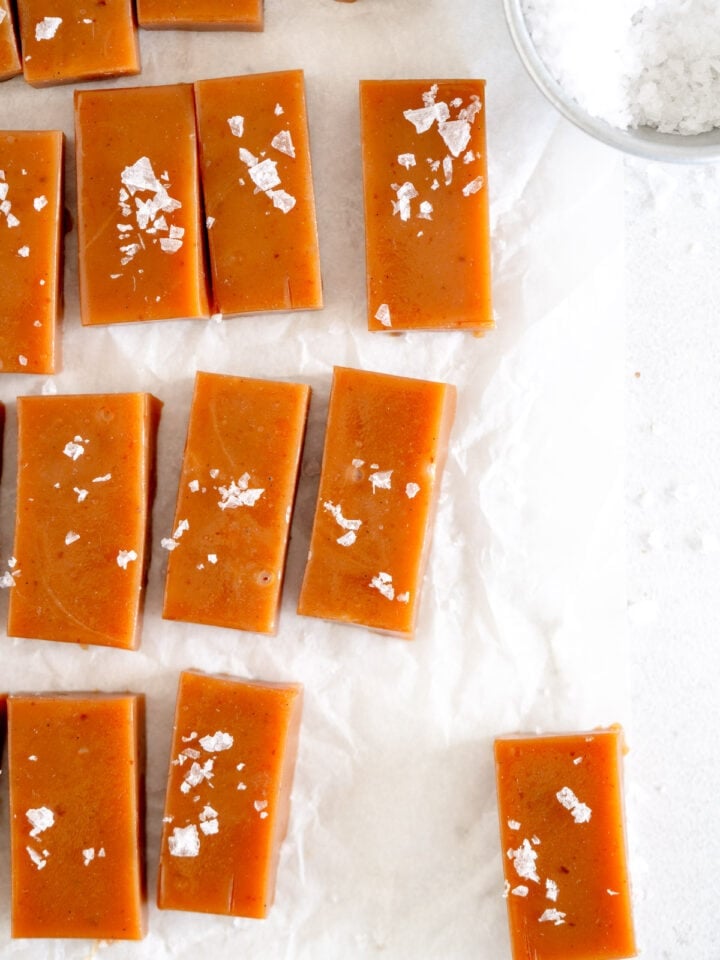
    Filed Under: Holiday Cookies, Other Sweets Tagged With: Egg Free, Gluten Free

    25 minute Snickerdoodle Cookies

    wire rack with snickerdoodles

    This soft and chewy snickerdoodle recipe is quick and easy to make. This post will give you all the tips and tricks on how to make perfect snickerdoodle cookies that will be the perfect addition to any cookie lineup!

    wire rack with snickerdoodles

    Hi hi! Just popping in to share this Snickerdoodle Cookie recipe with you! I love making homemade cookies of all kinds, but I didn't grow up eating Snickerdoodle cookies, so I have always been a bit apprehensive to make a recipe for them.

    However it was a super requested recipe from a lot of readers, and I did a ton of research, and so here we are - a super quick, super easy snickerdoodle cookie recipe!

    These are a great any time cookie but would also be amazing to add to the Holiday Cookie recipe lineup. Snickerdoodles are a classic drop cookie (where you scoop the dough out and bake on trays). I adapted my classic vanilla cookie recipe, adding some cinnamon and cream of tartar to the dough and finishing the whole thing off in cinnamon sugar.

    This snickerdoodle recipe is a great one to have in your back pocket - the recipe requires no chill, meaning you can have these easy snickerdoodles ready to go in about 25 minutes!

    snickerdoodle dough in mixer
    balls of snickerdoodle cookie dough

    What are Snickerdoodle Cookies?

    As a non-American, who didn't grow up eating snickerdoodle cookies, here's my analysis of them:

    Snickerdoodles are basically a chill cinnamon cookie. The ingredients in snickerdoodles are super similar to a classic vanilla cookie, with a little cinnamon in the dough, and a crackly cinnamon sugar coating.

    Snickerdoodle cookies also typically contain cream of tartar, which is an acidic powder, which makes up one of the ingredients of baking powder, along with bicarbonate of soda (baking soda). It is often used to stabilise meringues, but in snickerdoodle cookie recipes it gives the cookie dough a distinctive tang, which is subtle but definitely noticeable!

    balls of cookie dough rolled in cinnamon sugar

    How to make Snickerdoodles

    This easy snickerdoodle recipe is super quick to make - if you have room temperature butter, it will come together in the time that it takes to preheat the oven.

    • Cream together butter and sugar. I use granulated sugar and unsalted butter in my snickerdoodle recipe. Make sure that you cream the wet ingredients together so that the mixture is properly light and fluffy. Scrape down the edges a few times while mixing to make sure that it is all combined. I usually make cookie recipes in my stand mixer, but you can also use an electric hand mixer.
    • Add egg and dry ingredients. Add the egg and vanilla extract / vanilla bean paste mix well, then add the sifted dry ingredients and mix until just combined.
    • Shape and roll cookies. I like to use a cookie scoop to scoop my snickerdoodle cookies, but you can also weigh them individually - each dough ball should weigh about 40g. Scoop them out, then roll into balls and toss in the cinnamon sugar mixture before arranging on the sheet pan.
    • Bake. Bake the snickerdoodle cookies for 11-12 minutes. I prefer mine to be on the soft baked side, but if you would like yours a little more crispy, increase that time. Leave to cool on the pan then transfer to a wire rack!
    stack of snickerdoodles
    angle shot of snickerdoodles

    Tips and Tricks for perfect Snickerdoodle Cookies

    I have a few tips and tricks that I use whenever I am making a batch of homemade cookie recipes, to give the best results possible:

    Use room temperature ingredients.

    Having all your ingredients the same temperature really helps here - if your butter is too soft or too cold it will affect the outcome of the cookies. Make sure your butter is not too soft as it can cause the cookies to spread excessively. Having room temperature eggs is also important - if you keep yours in the fridge and have forgotten to remove them before baking you can warm them in a glass of warm water.

    Give a generous coating of cinnamon sugar.

    I like to double coat my snickerdoodle cookies - I roll them in the cinnamon sugar, then leave them to sit for a second, and give them another good roll. I find using a finer sugar like caster sugar (regular granulated sugar if you are in the US is fine) helps too as I found if you use a slightly coarser sugar, only the cinnamon sticks.

    Use a cookie scoop.

    Using a cookie scoop is a great way to ensure that you have evenly sized cookies. This doesn't just look nice, but it means that they will all bake evenly. I use a 2 tablespoon cookie scoop for making this snickerdoodle cookie recipe, but you can also weigh the cookie dough balls if you need.

    Don't overbake your cookies.

    This is the best way to ensure that you have a nice soft snickerdoodle cookie - do not over bake them or the texture won't be as nice. Remember that cookies do continue to bake and set up when you remove them from the oven and they sit on the tray. I usually only need 11-12 minutes to bake my snickerdoodle cookies. You will know they are done when they are puffy and beginning to set around the edges of the cookie.

    Use parchment paper to bake your cookies.

    I often hear from readers that they have had issues with their cookies spreading, and then they tell me that they have lined their pans with silpat or silicone baking sheets. Silpat mats are super slippery, causing the cookie to spread much more. I use parchment paper on my baking sheets, and use and re-use each piece with each batch of cookies.

    snickerdoodle cookies on wire rack

    How to freeze Snickerdoodle Cookies

    If you would like to make snickerdoodle cookies ahead of time, you can freeze the dough before baking. Leave off the cinnamon sugar mixture and apply that just before baking. You will want to drop the oven temperature to 325°f / 165°c when baking cookie dough from frozen, and add a few more minutes onto the bake time.

    For all my tips and tricks on freezing dough and cookies, check out my post: How to freeze cookie dough

    Snickerdoodle recipe without cream of tartar

    Cream of tartar is the classic flavouring in a snickerdoodle recipe, but if you don't have it on hand, I would suggest using my classic vanilla cookie recipe, adding cinnamon, and then rolling it in the cinnamon sugar mixture from this post.

    ball of sugar cookie dough
    snickerdoodle cookies on rack

    Frequently Asked Questions

    What tools and equipment do you use?
    You can find a full list of the tools and equipment I use on my products page

    How do you store snickerdoodle cookies?
    Keep your snickerdoodle cookies at room temperature in an airtight container - they will keep for up to five days.

    Can I make snickerdoodle cookies slightly thicker?
    I tested the recipe with two quantities of flour and found I preferred the slightly thinner cookie, however if you want them a little thicker, increase the flour quantity to 320g.

    close up of snickerdoodle cookies

    For more soft and chewy cookie recipes, check out:

    • ginger cookie on parchment paper
      30 Minute Thin and Crispy Gingersnap Cookies
    • cookie on sheet pan with parchment paper
      Brown Butter Chocolate Chip Cookies
    • red velvet sugar cookies on pan
      Red Velvet Sugar Cookies
    • 30 Minute Brown Butter Anzac Biscuits

    ❤️ Made this recipe and love it? ❤️

    I would LOVE for you to leave me a review and star rating below to let me know how you liked it! Also, please make sure to tag me on Instagram!

    Answers to your baking questions

    Over the years, many of you have asked me questions about:

    • baking in grams
    • adjusting oven temperatures
    • what kind of salt to use
    • and many more!

    I've curated and answered them all for your easy reference in this frequently asked questions post!

    Filed Under: Cookies, Holiday Cookies, Other Cookies

    Soft and Chewy Classic Vanilla Cookies

    vanilla sugar cookies stacked on wire rack

    This simple vanilla cookie will be your new go-to easy cookie recipe. A soft and chewy classic vanilla cookie, it comes together in less than 10 minutes and is a super versatile base cookie recipe. Read my post for more information on how to make homemade cookies!

    vanilla sugar cookies stacked on wire rack
    Soft, Chewy, just the perfect vanilla cookie!

    Hi hi! I am just popping in to share the recipe for these classic vanilla cookies! They are a super simple drop cookie recipe (meaning that they are scooped out then baked on the pan, rather than a cut-out cookie). Full of vanilla flavor and the perfect texture, these are a go-to cookie recipe in our house!

    These are going on my site as part of my holiday cookie recipes, but they truly are perfect any time of the year, not just as christmas cookies! You can finish them any way that you like - I rolled most of mine in granulated sugar, but also finished some with sprinkles similar to my sprinkle sugar cookies for a little festive touch. They are a great easy cookie recipe for kids too!

    Grab your ingredients and meet me in the kitchen.

    sugar cookie bar dough
    Batter ready to be scooped
    close up shot of vanilla cookie on wire rack
    Cookie Perfection!

    How to make homemade cookies

    These soft vanilla cookies are super quick and simple to make with no chill time - they are a classic vanilla cookie and follow the standard format:

    • Preheat your oven. Don't skip this step. Preheating makes sure that the oven is at a constant temperature (I like to give it an extra 10 min after it beeps to make sure it is ready)
    • Cream together the butter and sugar. This step helps provide aeration in the mixture, to give a light, fluffy vanilla cookie. Make sure your butter is properly room temperature, and scrape down the sides of the bowl a few times during the process to catch any stray unmixed bits. I like to add in the vanilla at this point too. I make my vanilla cookies in the stand mixer but it will work just as well with an electric mixer too!
    • Add the egg. These classic vanilla cookies just have one egg to help hold everything together.
    • Add dry ingredients. Sift together the all purpose flour, baking soda, and salt, add to the mixture, and mix until only just combined. Finish this step off by hand if you need to to ensure that you do not over mix the cookie batter.
    • Scoop and roll. Scoop the cookies out onto your parchment paper lined baking sheet (I like to use a #40 or 2 tablespoon cookie scoop), then roll into balls and toss in granulated sugar or your finish of choice
    • Bake. Bake the vanilla cookies in a preheated oven until they are just set around the edges and beginning to go golden brown. They will deflate a little when you remove them from the oven. If you would like them perfectly round, you can 'scoot' them into shape with a round cookie cutter hot from the oven. Cool on wire racks and then enjoy!
    angle shot of vanilla sugar cookies

    Can Vanilla Cookies be made ahead of time?

    This cookie dough can be made ahead and frozen until you are ready to bake - check out my post on how to freeze cookie dough. Do not roll in sugar before freezing, do this just before you bake them.

    I like to bring the cookie dough out 10 minutes or so before I bake it to help it defrost slightly and give the sugar something to stick to. To bake dough from frozen, drop the oven temperature a little and bake for a few more minutes than written in the recipe - you can find all the information on this in my post on how to freeze cookie dough.

    close up batch of vanilla cookies on wire rack
    Use a scoop for evenly sized cookies
    stacked sugar cookies
    These bake up thin - see notes for thicker!

    How to make thick vanilla cookies

    When I was recipe testing this vanilla cookie recipe, I was tweaking the flour quantity within the recipe to make it slightly thicker. I usually only alter the flour content by about 15 or 20 grams - you can see in the image below what a difference just 15g flour in a recipe makes (and bear in mind this is spread across 22 cookies)

    Please use a scale when you are baking. It is truly the only correct way to accurately measure flour, and truly makes such a big difference.

    If you would like these vanilla cookies to be a little thicker, you can increase the flour by 15 grams. This makes the cookie a tiny bit less chewy, and a little softer.

    Alternatively you can make my vanilla cream cheese cookies which are a little thicker and have a delicious tang from the cream cheese!

    how to measure flour for cookies
    The difference 15g of flour makes across the whole batch

    Fun ways I have finished these vanilla cookies

    I rolled these soft vanilla cookies in regular granulated sugar before I baked them, but you can switch this up as you like! Here are a few ideas:

    • Kids coming over? Roll in sprinkles. This is perfect for making these holiday themed or to fit any other colour scheme - instead of rolling in the granulated sugar, roll in nonpareils or hundreds and thousands before baking. The sprinkles I used for the cookies in this post are from Layer Cake Shop.
    • Want a spicy variation? Roll in cinnamon sugar. You can use my cinnamon sugar recipe to roll the cookies in before baking.
    • Want them a little fruity? Freeze dried fruit powder. Mix some freeze dried fruit powder of your choice with granulated sugar, then roll the cookies in the sugar and bake as normal.
    Super cute and festive finished with holiday sprinkles!

    ❤️ Made this recipe and love it? ❤️

    I would LOVE for you to leave me a review and star rating below to let me know how you liked it! Also, please make sure to tag me on Instagram!

    Answers to your baking questions

    Over the years, many of you have asked me questions about:

    • baking in grams
    • adjusting oven temperatures
    • what kind of salt to use
    • and many more!

    I've curated and answered them all for your easy reference in this frequently asked questions post!

    Filed Under: Cookies, Holiday Cookies, Other Cookies, Sugar Cookies

    Soft Sugar Cookie Bars

    Sugar cookie bars have all the delicious traits of classic vanilla cookies, but in a cookie bar! These easy frosted sugar cookie bars can be made for any occasion, and are finished with a simple buttercream frosting.

    sugar cookie bars with frosting

    Hi hi! Just popping in to share the recipe for these super easy sugar cookie bars! These soft and chewy frosted sugar cookie bars are made a cookie bar version of my classic vanilla cookies.

    These super simple sugar cookie bars are finished with an easy buttercream frosting and sprinkles, to make them perfect to suit any occasion. I love making them for a crowd as the recipe scales beautifully!

    baked sugar cookie bar on parchment paper
    end shot of baked sugar cookie bars with frosting

    How to convert a cookie recipe into a bar recipe

    This sugar cookie bar recipe is super simple - it is essentially a batch of classic vanilla cookie dough pressed into a pan and baked rather than being baked into individual drop cookies.

    Baking a cookie bar into a pan not only saves you time but gives you a whole different textural experience - the middle pieces stay soft and chewy, while the outside edges get nice and crinkly, so you can choose what piece you get.

    I often convert my homemade cookie recipes into cookie bar recipes - usually the only tweak I found I needed to make in the recipe testing process is reducing the leavening agent a little to stop them being as puffy, and deciding what pan to use. Here is how I typically decide pan size (for my recipes at least)

    • If it is a larger cookie recipe such as my vanilla cookies, I will choose a 9x13" pan. I tried this sized batch in a 9" square pan and it did not go well.
    • If it is a smaller batch recipe like my brown butter chocolate chip cookies or my M&M cookies, I will put it either into a 9" pan or an 8" pan (see my chocolate chip cookie bars and my M&M cookie bars). I tend to go for 8" for recipes like this as I like them slightly thicker, but if you want them thinner and a little crispier, go for a 9" pan.
    frosted sugar cookie bars
    corner shot of frosted sugar cookies
    sugar cookie bar dough

    The most satisfying part - frosting!

    I finished the cooled cookie bars off with a super simple American buttercream frosting (butter, powdered sugar etc) - this is totally an optional step, but I will never turn down the opportunity to do some frosting swooping.

    I tinted the buttercream with a little gel food coloring and finished the cookie bars off with sprinkles. You can really choose your own adventure here and do what you like. If you wanted a nostalgic chocolate frosting you could use my brownie frosting recipe (a double works well). You could also add on a cream cheese frosting if you wanted, or add some freeze dried raspberry powder like I did for this funfetti cake. You do you here.

    If you don't want to frost the sugar cookie bars you can leave them plain and they are also delicious - just give the surface of the sugar cookie batter a generous sprinkle with granulated sugar before it goes into the oven. I like to do this regardless of if I am frosting them or not. You could also frost half of them and leave half of them plain, I cannot stress enough that this is a choose your own adventure situation.

    side shot of frosted sugar cookies

    How to get clean cuts on a cookie bar

    I have a few tricks to doing this which I use for my brownie recipes especially. If you don't care about clean cuts on your baking then you do you here, but here is how I get nice clean cuts on my baked goods:

    • Chill the cookie bars slightly. Yes, I also chill my cookie bars, just a little bit. This gives the frosting time to set and to also crust over, which gives a nice clean cut. You can also leave it at room temperature uncovered for a little to help it crust, but chilled will give you the cleanest cut here.
    • Use a ruler. This is the only way I find to get nice even cuts - otherwise no matter how well I think I have done at eyeballing it, my cookie bars come out wonky.
    • Use a sharp knife. I use a chef's knife that has a huge 12" blade on it which means I can do cuts all in one go. Having a super sharp knife helps a lot too though.
    • Wipe the blade between cuts. This seems super annoying but I promise to get a nice clean cut on your sugar cookie bars, wiping the blade between each cut will help a lot here.
    sugar cookie christmas trees
    triangles of sugar cookies

    Shaping and decoration variations for sugar cookie bars

    Christmas Trees: One thing I LOVE about this sugar cookie bar recipe is how easy it is to decorate in different ways. I used it to make little christmas trees for my holiday cookie box - to do this I trimmed the edges of the bar so it was nice and flat, then sliced in vertically into three strips, each about 6cm wide. Each strip I cut into triangles which were 5cm along the bottom - to do this, measure and mark increments on one side of the strip, then on the other side, offset by 2.5cm (or half the width of the triangle), and mark in 5cm increments again. Then you just line up your markings and you can cut your triangles!

    I frosted them using one batch of the frosting as written, with a tiny bit more milk in there to help it pipe nice and easily. I had just enough for piping these, if you are worried or decorating with kids or using a few colours I would suggest maybe making 1.5 times the recipe. I used a wilton 32 tip and piped blobs of frosting on the cookies then finished with sprinkles and a gold ball for the 'star'. Super cute and so easy!

    cookie bars with chocolate frosting and candy canes

    Chocolate and Peppermint Bars: These ones were super simple, I just frosted with a double batch of my brownie frosting (IYKYK - my husband is obsessed with it!), then finished with crushed candy canes and cut into bars. Super easy and so good with the candy cane topping. A top tip is to put the candy canes in a sieve so you shake the small bits over the frosting first then add the chunks for nice even distribution.

    ❤️ Made this recipe and love it? ❤️

    I would LOVE for you to leave me a review and star rating below to let me know how you liked it! Also, please make sure to tag me on Instagram!

    Answers to your baking questions

    Over the years, many of you have asked me questions about:

    • baking in grams
    • adjusting oven temperatures
    • what kind of salt to use
    • and many more!

    I've curated and answered them all for your easy reference in this frequently asked questions post!

    Filed Under: Cookie Bars, Holiday Cookies, Sugar Cookies

    20 minute Chocolate Crinkle Cookies

    chocolate crinkle cookies

    Homemade chocolate crinkle cookies are quick to make with no chill time. A rich and fudgy chocolate crinkle is rolled in powdered sugar for a perfect crackle cookie finish. This recipe will be a holiday or any time crowd pleaser!

    chocolate crinkle cookies on pan

    Hi hi! I am just popping in to share the recipe for these chocolate crinkle cookies! I am slowly adding to my collection of holiday cookie recipes, although these chocolate crinkles definitely don't just have to be christmas cookies - they are an amazing year-round crinkle cookie recipe.

    This chocolate crinkle cookie recipe is super easy to make. Unlike a lot of other crinkle cookie recipes, this is a no-chill cookie recipe, and comes together in the time that it takes to preheat the oven. It also happens to be a dairy free cookie recipe if that is important to you!

    I also have a red velvet crinkle cookie recipe if you were after something different, or a lemon crinkle cookie if you're after a non chocolate version!

    crinkle cookie with bite taken out
    angle shot crinkle cookie

    What are Chocolate Crinkle Cookies?

    This chocolate crinkle cookie recipe is based off of my dairy free chocolate cookie recipe. It is rich and fudgy, and comes together super quickly as there is no need to soften butter - it just all whisks together!

    The part that makes this a 'crinkle' cookie is the generous coating of powdered sugar that the cookie dough ball gets before going into the oven. As it bakes and spreads on the baking sheet, cracks develop and are exposed, giving the perfect crackle cookie.

    Ingredients in crinkle cookies

    The ingredient list for these homemade chocolate crinkle cookies is pretty simple - they are a cocoa and oil based recipe, which gives them an amazing fudgy texture.

    • Neutral oil. This is anything neutral tasting - use extra light olive oil, or something like canola, grapeseed, vegetable oil or rice bran oil.
    • Brown sugar. You can use either dark brown or light brown - the brown sugar gives texture and taste to the crinkle cookies.
    • Granulated sugar. Helps with chew and texture.
    • Egg. Just one, to bind everything together! I haven't tried making these egg free sorry!
    • Vanilla and salt. Both are important here - make sure you properly salt your baking, as it makes a huge difference. I use vanilla bean paste but vanilla extract works well too.
    • Cocoa powder. I use dutch process cocoa powder, which gives an amazing richness to the chocolate crackle cookie, especially as it doesn't contain melted chocolate. Dutch process cocoa powder has been alkalised, so won't react with the baking soda in the recipe. I haven't tried this recipe with regular unsweetened cocoa powder but it *should* be ok.
    • Flour. I use all-purpose (plain flour) to make these chocolate crinkle cookies!
    • Baking soda. Just a little to help the cookies have spread and a nice thickness.
    • Granulated sugar and powdered sugar. This is a wee trick for the optimum powdered sugar coating - more on this in a sec!
    crinkle cookie with bite taken out

    Crinkle Cookie recipe testing notes - butter vs oil recipe

    I had a few issues with testing this recipe - my first tests I used a dough based on my chocolate sprinkle sugar cookies, which is a butter based dough. When I rolled the dough in the powdered sugar, it would dissolve in the oven, giving a super gummy, pasty texture on the outside of the cookies, which wasn't super pleasant.

    After a lot of internet digging around other recipes and several google rabbit holes, I found almost all of the recipes for chocolate crinkle cookies online use oil, and that there must be a good reason for this.

    I switched up my recipe to an oil based one (which I love), and sure enough, the chocolate crinkle cookies came out of the oven looking like a true dream. My theory is that with the butter based recipe, water is released as the cookie bakes, which dissolves the powdered sugar on the outside. Because the oil is straight fat and no water is released, the oil based recipe doesn't dissolve the sugar on the outside. That's my theory anyway!

    Brown Butter Chocolate Crinkle Cookies

    I posted the image below on Instagram and a couple of people asked if the cookies can be made with brown butter. I had been planning on testing this and was curious to see so I gave it a go and it worked really well.

    The reason that it works is because when you brown butter, you are cooking off the water in the recipe (and at the same time browning the milk solids). For this particular recipe because I was replacing oil with brown butter, so a straight fat for fat swap, I was able to just use 75g brown butter (not melted) in the place of the oil. When I am calculating how much butter I need to use to make brown butter, I usually take the quantity of brown butter that I need and multiply it by 1.3 and add a tiny bit. This usually gives me enough to account for the cooking off of the water during the browning process.

    Using brown butter in the recipe takes a tiny bit longer as you have to wait for it to cool, but they are So Delicious. They are chewy and chocolatey and the brown butter just does what brown butter does best and provides an amazing depth of flavour. Here's how to do it:

    • Place 110g butter (salted or unsalted is fine, and it can be cold from the fridge) into a pan. I prefer something light coloured so I can see what is happening.
    • Cook until the butter has melted, and then continue to cook, swirling the pan often and stirring with a whisk, until the butter foams and turns golden brown and nutty - this should take 3-4 minutes. 
    • Remove the brown butter from the stove and weigh out 75g into your mixing bowl or a heatproof bowl. Make sure to get all the brown stuff at the bottom, that's the good stuff. If you have a tiny bit leftover it's good for a lot of things - I usually put it on my toast.
    • Leave to cool for 10-15 minutes, then proceed with the recipe. The cookies will spread a little more and the cracks are more pronounced, but aside from that, everything is the same!
    oil vs butter crinkle cookies

    Why are chocolate crinkle cookies baked at a lower temperature?

    You will notice that I bake these cookies at a lower temperature. Oven temperature is one of the things that I play around with when baking cookies (along with a bunch of other things such as the ratio of brown to white sugar, chill time etc). These cookies benefitted from a lower oven temperature because it gives the dough time to properly spread and become the most perfect chocolate crackle.

    This is why it is super important to make sure that your oven temperature is accurate! A different temperature can make a huge change in the outcome of your cookies.

    You can read all about the things that I tweak when recipe developing to create the perfect cookie in my post: How to make perfect chocolate chip cookies (lots of the notes apply to non chocolate chip cookie recipes too!

    cookie dough rolled in powdered sugar
    cookie dough in powdered sugar on pan

    Rolling in sugar and powdered sugar

    The secret to a well coated crinkle cookie - the double sugar roll! I roll my cookies in granulated sugar first before powdered sugar - this helps it to stick, and means still get a lovely sugary coating without the powdered sugar being toooo overpowering.

    Because this is a soft no chill dough, I also find that scooping the dough directly into the granulated sugar means that it is much easier to handle and shape so that it doesn't stick to your hands too much.

    Can I make the dough ahead of time?

    I haven't tried it. I think because these cookies are so easy to make ahead of time, you can just throw the dough together as the oven preheats (it literally takes 5 minutes to make). The dough is really soft so won't hold its shape in the fridge. I haven't tried chilling the dough as a whole, but if you can, make them from fresh.

    Can I freeze crinkle cookies?

    Honestly, I wouldn't. The dough for these gets a bit weird in the freezer, and if you froze the baked cookies the powdered sugar on the outside might soak up any freezer smells. I haven't tested it but I think these cookies are one of the recipes which would be best baked from fresh.

    For notes on recipes and cookies which are best for freezing check out my post: How to freeze cookie dough

    crinkle cookie stack
    baked chocolate crinkle cookies

    Frequently Asked Questions

    What tools and equipment do you use?
    You can find a full list of the tools and equipment I use on my products page

    Can chocolate crinkle cookies be made ahead of time?
    These are best made when you want them - if you move them around too much the powdered sugar tends to get a bit messy. They are so quick, that you might as well just bake them when needed!

    How do you store chocolate crinkle cookies?
    Store crinkle cookies in an airtight container at room temperature. They will keep for up to five days.

    Can I add chocolate chips?
    Go for it! I haven't tried it but I am sure it would be delicious!

    What is light or dark brown sugar?
    In the US you can get both light or dark brown, which is why I specified! If you're in a place that only has one kind, 'regular' brown sugar is fine.

    close up baked crinkle cookies

    For more holiday cookie recipes, check out:

    • ginger cookie on parchment paper
      30 Minute Thin and Crispy Gingersnap Cookies
    • red velvet sugar cookies on pan
      Red Velvet Sugar Cookies
    • rice bubble slice on pan with parchment paper
      Rice Bubble Slice
    • shortbread on pan
      30 Minute Shortbread Cookies

    ❤️ Made this recipe and love it? ❤️

    I would LOVE for you to leave me a review and star rating below to let me know how you liked it! Also, please make sure to tag me on Instagram!

    Answers to your baking questions

    Over the years, many of you have asked me questions about:

    • baking in grams
    • adjusting oven temperatures
    • what kind of salt to use
    • and many more!

    I've curated and answered them all for your easy reference in this frequently asked questions post!

    Filed Under: Cookies, Holiday Cookies, Other Cookies Tagged With: Dairy Free

    30 Minute Thin and Crispy Gingersnap Cookies

    ginger cookie on parchment paper

    These easy, homemade gingersnap cookies are thin and crispy, and rolled in sparkly coarse sugar for the perfect crunchy ginger snap cookie recipe. These ginger snaps are a great make ahead cookie - either bake them ahead, or store the frozen cookie dough in the freezer for later!

    Hi hi! Just popping in to share the recipe for these homemade gingersnap cookies!

    This ginger snap cookie recipe is a twist on my soft and chewy ginger molasses cookies - I tweaked the recipe to make it a little thinner, and baked them longer to give the perfect thin gingersnap cookie that is crunchy around the edges and slightly chewy in the middle. If you're familiar with gingernut biscuits, these are my perfect version of that! They make a great holiday cookie, but to be honest, I make these year round.

    The best part? These are done in 30 minutes - the dough is ready to go by the time your oven is preheated.

    creamed butter and sugar for cookies
    Dry ingredients for cookies

    How to make Thin and Crispy Cookies - the recipe testing process

    I often get a lot of questions about how I tweak a recipe - now that I have been running my food blog for a number of years, I often turn to my own recipes as a jumping off point when working on a new recipe.

    For this ginger snap recipe, I used my ginger molasses cookies as a starting point. I love the recipe, but wanted something slightly thinner and crunchier, so here are the changes that I made, which are often changes I make in other cookie recipes too to manipulate them how I like.

    • Changed the ratio of brown sugar to white sugar. My ginger molasses cookies have a higher ratio of brown sugar to white, which makes them thicker and spread less. I switched up the ratios for these ginger snap cookies, meaning the cookies spread more, and have a perfect chewy texture which gets crunchy around the edges.
    • Drop the flour content sightly. This increases the ratio of butter to flour, meaning the cookie spreads a little more in the oven.
    • Increase the molasses. I tweaked it by just a little, but this help with spread.
    • Increase baking soda. I use baking soda rather than baking powder in the cookies, and increased the quantity slightly to ensure there was enough to give the cookies a little rise and not be cancelled out by the molasses. My general rule is baking soda helps with spread, and baking powder helps with puff.
    • Bake for longer. This is a pretty simple one, but to get that lovely crunchy gingersnap cookie, I increased the bake time slightly. If you want them even more crunchy, bake them for a little longer!

    Community Review

    “These are amazing!! Will absolutely be making again. May have smashed back one too many when soft and warm out of the oven but they're just as good when cooled and crispy. Giving me crunchy dunkable gingernut vibes which I haven't found in a recipe before!”

    —Kylie
    Read more reviews »
    gingersnap dough rolled in suagr
    Stacked Ginger Cookies

    How to freeze cookie dough

    This gingersnap cookie recipe is great to make ahead - the dough stores super well frozen, so you can pull it out and bake whenever you need.

    It is important to not coat the balls of dough in the sugar before you freeze them, otherwise the sugar will get all weird and weepy when you bring them out to re bake.

    To freeze the dough, scoop it out, roll into balls, then flash freeze the dough and store in the freezer in an airtight container or bag for up to three months.

    For more tips and tricks on freezing dough and baking from frozen, check out my post: How to freeze cookie dough

    ginger cookie dough balls
    ginger cookie on parchment paper

    How to bake Gingersnaps from Frozen

    I tested this out with some of the gingersnap cookie dough that I had frozen, and found that the best way to bake the frozen dough and get the most similar outcome is to bake it at a lower temperature - 325°f / 160°c (I cover this more on other cookies in my post on how to freeze cookie dough). This gives the frozen dough more time to spread.

    When you are ready to bake from frozen, remove the dough from the freezer and leave it to stand at room temperature to soften very slightly while the oven preheats. This makes the surface of the cookie dough ball slightly sticky, and means the sugar will stick to the outside.

    Roll the cookies in sugar and bake for 17-18 minutes or until the cookies are your desired level of doneness.

    How to bake cookies from Frozen

    ❤️ Made this recipe and love it? ❤️

    I would LOVE for you to leave me a review and star rating below to let me know how you liked it! Also, please make sure to tag me on Instagram!

    Answers to your baking questions

    Over the years, many of you have asked me questions about:

    • baking in grams
    • adjusting oven temperatures
    • what kind of salt to use
    • and many more!

    I've curated and answered them all for your easy reference in this frequently asked questions post!

    Filed Under: Cookies, Holiday Cookies, Other Cookies

    30 Minute Shortbread Cookies

    shortbread on pan

    My easy, buttery shortbread cookie recipe comes together quickly. You can use one shortbread recipe to make classic shortbread cookies, or press into a pan to make shortbread fingers.

    pan of shortbread cookies

    Hi hi! Just jumping in to share this super easy shortbread cookie recipe with you! Shortbread Cookies were one of the very first things I learned to bake from my Grandma, and they are so easy, I can't believe it has taken me this long to get a classic shortbread recipe on my site!

    I love making homemade cookie recipes, and this one is extra special to me - to me, these are my ultimate Christmas cookie (or shortbread biscuit as we call them in New Zealand) although they are so good year round too.

    Shortbread is a simple cookie to make, and I worked on this dough so that it can be made into two formats - shaped into a log for a slice and bake shortbread cookie, or pressed into a pan and topped with sugar, for more of a Scottish Shortbread style shortbread recipe.

    Both options are the perfect shortbread cookie recipe - super buttery, with a nice snap, and a cookie that melts in your mouth. Truly just the best.

    I had a bunch of people point out this was a great Ted Lasso shortbread - I haven't seen it, but I had a quick google and it seems to fit perfectly!

    The base shortbread cookie recipe does not require a chill time, and can be made in 30 minutes. It is an egg free cookie recipe, made with pretty limited ingredients - it is the best shortbread recipe for a reason!

    shortbread ready to bake on pan
    close up of shortbread on pan

    Important Ingredients in Shortbread Cookies

    This recipe for shortbread cookies follows a classic 3:2:1 shortbread recipe model: 3 parts flour, 2 parts butter, 1 part sugar, by weight.

    This is a classic ratio, and makes the recipe super easy to scale, especially as this is an egg-free cookie recipe.

    The dough comes together super quickly, so it is great to double up on and make extra shortbread cookies to have on hand whenever you need - they keep up to two weeks in an airtight container at room temperature.

    1. Powdered Sugar. Also known as icing sugar - I like to use powdered sugar rather than granulated sugar or caster sugar as it gives the shortbread a super smooth, crumbly finish.
    2. Butter. This shortbread recipe has minimal ingredients, so good quality butter is important here. I use unsalted, but if you would like to use salted butter, just omit the extra salt in the recipe.
    3. Flour. All-purpose flour is the best to use for shortbread. I top my flour up with a little cornstarch, which helps give the shortbread cookie a tender finish. You can use custard powder if you have that on hand in the place of the corn starch.
    4. Vanilla. This is optional and not often included in traditional shortbread recipes, but I love the flavour profile that it adds.

    That's it! This shortbread recipe is super super simple - I really hope you love it as much as I do.

    stacked shortbread cookies on pan

    Two Shortbread formats - slice and bake shortbread, and Scottish shortbread

    I worked on this dough so that you can use the plain shortbread recipe to make two forms of shortbread - one which you form into a log and slice into pieces, then bake to form shortbread cookies, and one where you press the shortbread dough into a pan, then bake at a lower temperature for a longer period of time, then slice into fingers, like Scottish shortbread.

    Both formats are super easy and I truly don't have a favourite between the two of them - if you are wanting to make these in bulk, the scottish shortbread recipe might be easier, however I do love the look of the classic, slightly shaggy shortbread cookie.

    You could also press the mixture into a 10" round cake pan and then turn out and cut into shortbread wedges.

    The recipe for these shortbread cookies details how to make the slice and bake format - for the Scottish shortbread, check the notes under the recipe for the baking time and temperature.

    shortbread dough in mixer
    side on shot of shortbread fingers

    What are the fork holes in shortbread for?

    The fork holes in my shortbread are there because my grandma put them there, so now I do too. They do help the cookies from puffing up in the oven I think, but the pattern is totally up to you - my Grandma did two fork holes, so now I do too!

    To me, that rustic shaggy look on the top of the shortbread cookies is how I like it - it comes from the dough dragging against the knife.

    close up of shortbread bars
    baked shortbread on pan

    ❤️ Made this recipe and love it? ❤️

    I would LOVE for you to leave me a review and star rating below to let me know how you liked it! Also, please make sure to tag me on Instagram!

    Answers to your baking questions

    Over the years, many of you have asked me questions about:

    • baking in grams
    • adjusting oven temperatures
    • what kind of salt to use
    • and many more!

    I've curated and answered them all for your easy reference in this frequently asked questions post!

    Filed Under: Base Recipes, Cookies, Holiday Cookies, New Zealand Recipes, Other Cookies Tagged With: Egg Free

    Silky Lemon Meringue Pie

    lemon meringue pie on plate

    This lemon meringue pie is the perfect lemon dessert. It has a flaky homemade pie crust, a silky, tart lemon filling, and is topped with clouds of torched meringue.

    side shot of lemon meringue pie

    Hi hi! Just popping in to share this super delicious lemon meringue pie recipe! I tested and re tested this recipe, until I was able to get the smoothest, silkiest lemon filling, wrapped up in a flaky pie crust, and finished with mounds of fluffy torched meringue.

    My lemon meringue pie is an absolute winner - I took my various test to a bunch of different friends, and they all raved about it, particularly how amazing smooth the filling is and how well it is complimented by the meringue topping.

    Lemon meringue pie is a great make-ahead pie recipe - you can bake the whole thing up to 1-2 days ahead, and then add the meringue just before serving. Just the best - I love it so much and I hope that you do too!

    blind baked pie crust
    lemon pie with meringue on top
    baked lemon pie

    The best meringue for Lemon Meringue Pie

    I use a Swiss meringue to top my lemon meringue pie. It is my favourite. A Swiss meringue gets cooked over a water bath before being whipped up, which makes it safe to eat without the need for baking.

    It also makes it perfect for torching, which I love to do. I haven't tried to make this recipe with a different meringue, so I really recommend making the Swiss. You also don't need to add meringue if you want to leave it plain and have an amazing lemon pie recipe, or add whipped cream! You can also leave the meringue plain if you like, but it will be super sticky.

    lemon pie topped with meringue
    side shot of lemon pie with meringue

    How to torch meringue

    I use a blow torch to torch my meringue - I use a bernzomatic from the hardware store. I find these larger torches are generally better than a culinary torch - they are easier to control and you can torch things from further away as the flame is larger, giving you a nice even torch.

    Once you have spread the meringue on top of the lemon meringue pie, light up your torch and carefully move it back and forth over the meringue to toast it to perfection.

    Can I put the meringue under the grill?

    I haven't tried torching the meringue any other way than using the blow torch - I don't know how well it would go putting the lemon meringue pie under the grill / broiler because the lemon filling is quite delicate, so I would worry that it would melt.

    lemon meringue pie on plate

    The secret to preventing lemon pie from cracking - a slow cool down!

    I made this lemon meringue pie about 8 times while testing - I nailed down the filling super fast, then was struggling with it cracking as the pie cooled. This came from a combination of things - over baking the meringue, and then removing it from the oven and leaving it to cool too quickly.

    Because the lemon filling is an egg set custard, as it bakes then cools the protein in the eggs contract, causing cracks in the surface of the pie.

    I found the way around this was to bake the lemon pie at a super low temperature, until it is just done, then cool it in the oven with the door cracked with a wooden spoon, letting the pie cool slowly, giving a nice crack free surface.

    If the pie does crack it's really not the end of the world - that's what meringue is for! I just wanted to get a nice clean surface because I'm super stubborn, and we got there!

    side on image of lemon meringue pie close up

    ❤️ Made this recipe and love it? ❤️

    I would LOVE for you to leave me a review and star rating below to let me know how you liked it! Also, please make sure to tag me on Instagram!

    Answers to your baking questions

    Over the years, many of you have asked me questions about:

    • baking in grams
    • adjusting oven temperatures
    • what kind of salt to use
    • and many more!

    I've curated and answered them all for your easy reference in this frequently asked questions post!

    Filed Under: Fruit Pies, Pies, Single-crust pies

    Fudgy Brownie Pie

    brownie pie with whipped cream

    This super fudgy brownie pie is the best of both worlds - flaky homemade pie crust, and a rich chocolate brownie filling!

    brownie pie with whipped cream

    Hi hi! Just popping in to share the recipe for this fudgy brownie pie with you! I was looking for an easy win and so combined two of my favourite things - super flaky pie crust, and rich fudgy chocolate brownie, to create this super delicious, easy brownie pie recipe!

    There's not really too much to say about this brownie pie except that it is Epic. It is great to make ahead - in fact it really benefits from some time in the fridge, which saves you stress at serving time!

    baked brownie pie
    slices of chocolate brownie pie

    slices of brownie pie on plates

    Easy pie crust for Brownie Pie - we love options!

    This brownie pie starts with my classic homemade pie crust, which is super easy to work with, and provides the base for a perfect fudgy chocolate filling.

    Because the brownie filling is wet, it is important to par-bake (partially bake) the pie crust before you start. I have a full post on this which goes super in depth on all things blind baking.

    This would also be epic made in my Graham Cracker Crust - my S'mores pie is a version of this.

    To read more about my tips and tricks on how to blind bake pie crust, check out my post: How to blind bake pie crust

    How to tell when brownie pie is done

    This can be a bit tricky as the filling is hard to tell when it is set. When a skewer is inserted into the filling it should come out with a few moist crumbs attached. The edges of the brownie filling should feel set. The filling will be puffed up and a little jiggly, and will deflate a little as it cools. If it cracks a bit do not worry! You are better off leaning toward under baking it than over baking it!

    brownie pie with whipped cream

    ❤️ Made this recipe and love it? ❤️

    I would LOVE for you to leave me a review and star rating below to let me know how you liked it! Also, please make sure to tag me on Instagram!

    Answers to your baking questions

    Over the years, many of you have asked me questions about:

    • baking in grams
    • adjusting oven temperatures
    • what kind of salt to use
    • and many more!

    I've curated and answered them all for your easy reference in this frequently asked questions post!

    Filed Under: Brownies, Pies, Single-crust pies

    My Perfect Homemade Pumpkin Pie (No Cracks)

    slices of pumpkin pie with whipped cream topping

    Learn how to make presentation-worthy pumpkin pie at home with this easy, well-tested recipe. A flaky all-butter pie crust is filled with a spiced pumpkin pie filling that's perfectly smooth - that's right, the top of the pie filling doesn't crack! How? Why? The reason pies crack is often due to the eggs in pumpkin pie filling - if they et over baked, the protein in them tightens up, and as it cools, it causes cracks. This pumpkin pie filling is eggless, and the prettiest pumpkin pie around!

    slices of pumpkin pie with whipped cream topping

    Hi hi! Just popping in to share the recipe for this no crack pumpkin pie! This super easy pumpkin pie recipe comes from my friend Erin McDowell's book, 'The Book on Pie'. I tested a whole bunch of homemade pumpkin pies and nothing came close to her version, so I asked her very nicely if I could put it on my site, and she very kindly said yes! This is, to me, the best pumpkin pie recipe!

    I love making homemade pie, and this easy pumpkin pie has been in heavy rotation since I first tried it.

    This pumpkin pie recipe starts with a flaky homemade pie crust, which is par-baked, then filled with a super simple pumpkin pie filling and baked until just set.

    This is the pumpkin pie recipe that even the most skeptical pumpkin pie eaters will love - we often call it 'the pumpkin pie recipe for people who don't like pumpkin pie'. The filling is super smooth and lightly spiced - you will love it so, so much.

    This post is full of tips and tricks on how to make pumpkin pie from scratch - I promise it is so, so worth the extra effort! I always make a few pies - I love to pair this easy pumpkin pie with others, I have a full pie roundup post if you need more Thanksgiving pie ideas!

    baked pumpkin pie on pan
    side shot of baked pumpkin pie

    Why does Pumpkin Pie Crack?

    This pumpkin pie will not crack on you. The reason for this is that it is a sugar pie base - a flour set custard rather than an egg set custard.

    The reason pies crack is often due to the eggs in the pumpkin pie recipe - if they get over baked, the protein in them tightens up, and as it cools, it causes cracks in the pumpkin pie.

    The thing that I love the most about this pie is that because it doesn't have eggs, it removes the risk of cracking, which makes it truly the best pumpkin pie recipe (to me, anyway).

    par baked pie crust on rack
    bowl of pumpkin pie filling

    Pumpkin Pie Crust Recipe

    I use my foolproof homemade pie crust recipe for this easy pumpkin pie recipe. The recipe makes two discs of dough, so you can freeze one to use in another single crust pie recipe, or store for another time.

    Does a pumpkin pie need to be par-baked?

    The pumpkin pie recipe is super wet, so you will need to par-bake the pie crust before continuing with the recipe. This gives the crust a chance to bake a little before the filling is added, which ensures that the crust will be perfectly baked and you can avoid any soggy bottoms.

    For all my tips on par-baking a homemade pie crust, check out my post: How to blind bake pie crust

    whole pumpkin pie with cream piped on top

    How to avoid bubbles in your pumpkin pie.

    You want to avoid over mixing the pumpkin pie filling for this recipe, as it can cause the bubbles to collect on the surface of the pie when you add the filling and give it a strange surface texture. If you do find you have bubbles, I often lightly blow torch the surface of the pie to help remove any bubbles - a hair dryer will work well for this too.

    slice of pumpkin pie on a plate

    ❤️ Made this recipe and love it? ❤️

    I would LOVE for you to leave me a review and star rating below to let me know how you liked it! Also, please make sure to tag me on Instagram!

    Answers to your baking questions

    Over the years, many of you have asked me questions about:

    • baking in grams
    • adjusting oven temperatures
    • what kind of salt to use
    • and many more!

    I've curated and answered them all for your easy reference in this frequently asked questions post!

    Filed Under: Pies, Single-crust pies Tagged With: Egg Free

    How To Blind Bake Pie Crust

    pie crust with weights

    This ultimate guide on how to blind bake or par-bake pie crust will give you the perfect base for your pies. Filled with par-baking tips and troubleshooting, this blind baked pie crust works great for a wide range of pies. Don't be intimidated - I will hold your hand every step of the way!

    pie crust with weights

    Hi hi! Just popping in to share with you this post on all things blind baking! I love making homemade pies, but was quite intimidated by single crust pies for a long time (even as someone who bakes for their job!) because I was unsure on the blind baking process.

    This ultimate guide on how to blind bake pie crust walks you through the process step by step, hopefully covering all my tips and tricks when it comes to blind baking or par-baking a pie crust. I use my homemade pie crust recipe for blind baking - I always have some in the freezer ready to go when needed!

    I know that Blind Baking Pie Crust can be intimidating - don't let it be, I will hold your hand every step of the way and you'll be a blind baking pro in no time!

    Pie crust ready for par-baking
    Pecan Pie Crust ready for Par-bake

    Blind Baking vs Par Baking

    Blind baking a pie crust involves either partially baking or fully baking a pie crust before you use it. They use the exact same technique, the only thing that differs is the amount of baking time. This depends on what the pie crust is going to be used for:

    • Par-baked pie crusts: A partially baked crust is called for in recipes which you are going to bake the pie again, often with a wet pie filling. Par-baking gives the crust a head start on the baking process, so that when the filling is added, the crust is already partially baked. Par-baking is used for pies such as my brownie pie, pumpkin pie, pecan pie, oatmeal pie, rhubarb custard pie, apple butterscotch pie, and strawberry rhubarb pie, along with other custard pies.
    • Blind Baked pie crusts: Blind baked pie crusts are a fully baked crust and are used for recipes which have a no-bake pie filling, such as a lemon meringue pie, chocolate cream pie, banoffee pie, or a french silk pie. You want to fully bake the crust, as it will not get another chance to crisp up. The recipe that you are using will specify whether the pie crust needs to be blind baked or par-baked!
    rolled out pie crust
    pan size for pie crust

    Why do fruit pies not get blind baked?

    I do not usually par-bake my fruit pie crusts - this is because with a fresh fruit filling (or even with a cooked fruit filling such as my apple pie or my blueberry crostata), the pie has long enough in the oven that it gives the crust enough time to crisp up properly, removing the need for blind baking.

    pie pan lined with crust
    trimmed pie crust
    pie crust filled with weights
    baked pie crust

    How to tell when a pie crust is fully baked

    This can be tricky - if you are fully blind baking the pie crust, you need to remember that this is your only shot to bake it, so make sure that you take it far enough so that it is not soggy. The crust is fully baked when it is evenly golden brown, and the surface is nice and dry. Some recipes will have you add a layer of egg wash to help protect the pie crust from the filling.

    For a Par-baked crust, it is important to remember not to over bake the crust too much. I give my par-baked crusts about 15-18 minutes in the oven with the weights on, then only 3-5 more minutes with the weights out, just to dry out the bottom crust of the pie. You want to look for no dry or shiny patches on the crust. It will get plenty more baking in the oven, so you only want a little bit of golden brown around the edges of the pie, as the exposed crimps will be directly exposed to the heat of the oven again when you return the pie to the oven. I do my pie crusts directly on a baking sheet, but you can also add in a baking steel or baking stone if you are worried about the pie crust.

    pie crust after weights removed
    Crust just after pie weights have been taken out
    par-baked pie crust
    Properly par-baked pie crust

    Pie Crust Troubleshooting and how to fix it!

    Here are all my tips and tricks on the actual baking of the pie crust - if you are having dough problems, check out my guide on how to make pie crust.

    How do I stop my pie crust from shrinking?
    There are a few reasons why a pie crust shrinks, the most common one being that the pie dough was over worked and not left to rest enough. Resting the pie dough is super important as it means that the gluten strands have a chance to relax, and don't contract in the oven, leading to shrinkage. Make sure the crust is super settled in the pie pan, and give it some time to relax after you line the pan - I like tucking under my crust, then leaving it for 10-15 minutes in the pan to relax before crimping and docking.

    How do I stop my crust from losing the crimp in the oven?

    This is often due to your dough not being well rested, or it being too wet - make sure that it is not over hydrated when you make it, and give it adequate time to rest and chill after you crimp the crust. I like to pop it into the freezer for 10 minutes before baking just to set the very outside of the crimped edges.

    How to stop pie crust from slipping

    Pie crust can sometimes slip down the sides of the pan when baked. To avoid this, make sure you fill the crust with pie weights or beans right to the top edge, to help hold the crust in place.

    My pie crust puffed up when I took the weights out. What should I do?

    This happens to me almost every time - just poke it with a fork and any big bubbles should sink back down!

    Blind Baked Pie Crust

    ❤️ Made this recipe and love it? ❤️

    I would LOVE for you to leave me a review and star rating below to let me know how you liked it! Also, please make sure to tag me on Instagram!

    Answers to your baking questions

    Over the years, many of you have asked me questions about:

    • baking in grams
    • adjusting oven temperatures
    • what kind of salt to use
    • and many more!

    I've curated and answered them all for your easy reference in this frequently asked questions post!
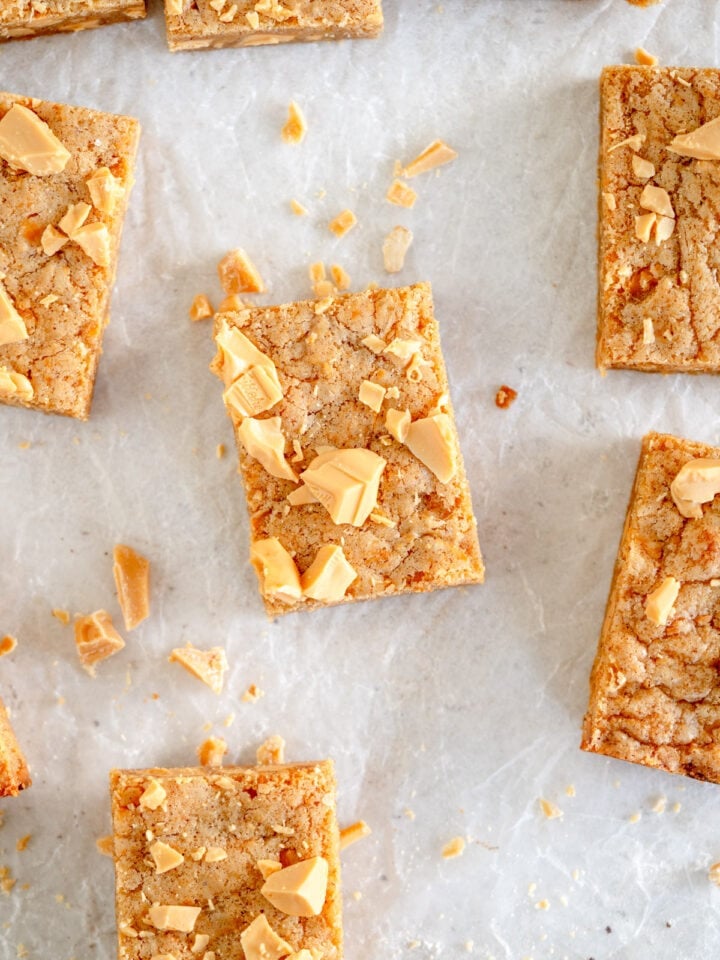
    Filed Under: Baking Tips, Base Recipes, Pies

    • « Previous Page
    • 1
    • 2
    • 3
    • 4
    • 5
    • …
    • 11
    • Next Page »
    Erin Clarkson Cloudy Kitchen

    HI, I'M ERIN

    My recipes range from quick & easy all the way to complex & impressive. I love the science and process of recipe development almost as much as baking itself. I specialize in rigorously tested recipes that are fun, reliable, and accurate.

    More about me →

    • https://www.instagram.com/cloudykitchen/
    • Facebook
    • Pinterest
    • TikTok

    Popular

    • Christmas Macaron Box
    • close up of roll with cream cheese frosting
      10 Minute Cream Cheese Frosting for Cinnamon Rolls
    • cookie on sheet pan with parchment paper
      Brown Butter Chocolate Chip Cookies
    • burger bun on wire rack
      Homemade Burger Buns

    Footer

    Cloudy Kitchen Classics

    • Chocolate chip cookies
    • Brownie cookies
    • Chocolate cookies
    • Vanilla cookies
    • Cheesecake brownies
    • Focaccia bread
    • Ciabatta recipe

    Popular Cookie Recipes

    • Oatmeal raisin cookies
    • Peanut butter oatmeal cookies
    • White chocolate chip cookies
    • Gingersnap cookies
    • Shortbread cookies
    • Snickerdoodles cookies
    • Anzac biscuits

    Easy Breads & Buns

    • Hot cross buns
    • Sticky buns
    • Burger buns
    • Dinner rolls
    • Soft pretzels
    • Pretzel buns
    • Garlic knots

    Links

    • About
    • Contact
    • Web Stories

    Newsletter

    • Sign Up! for emails and updates

    Resources

    • FAQ
    • Policies
    • All recipes at once

    Copyright © 2026 Cloudy Kitchen

    Support by Foodie Digital