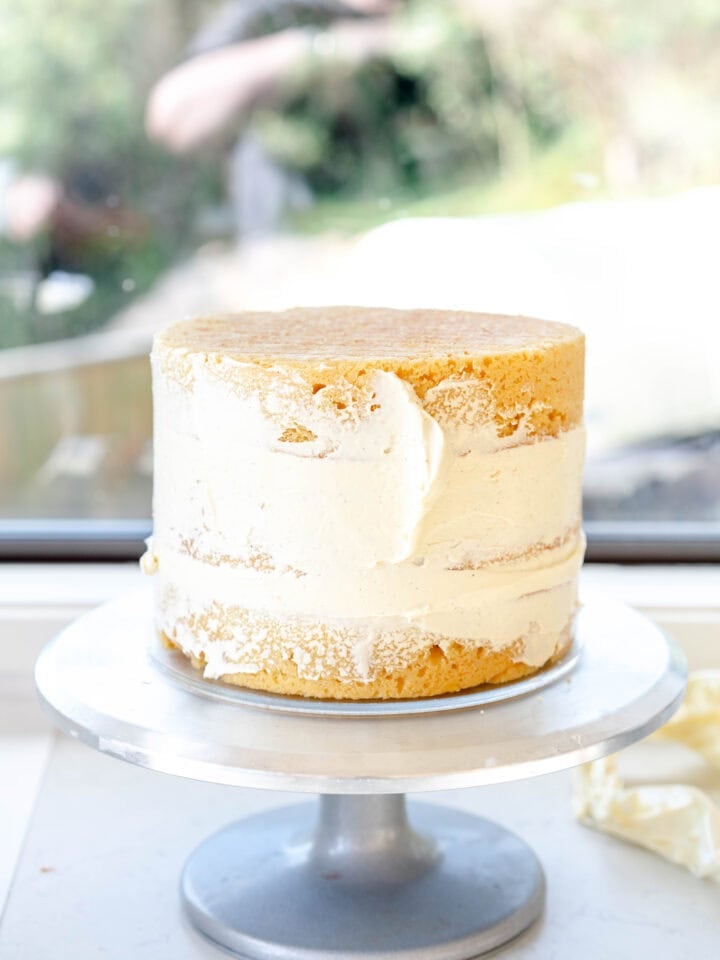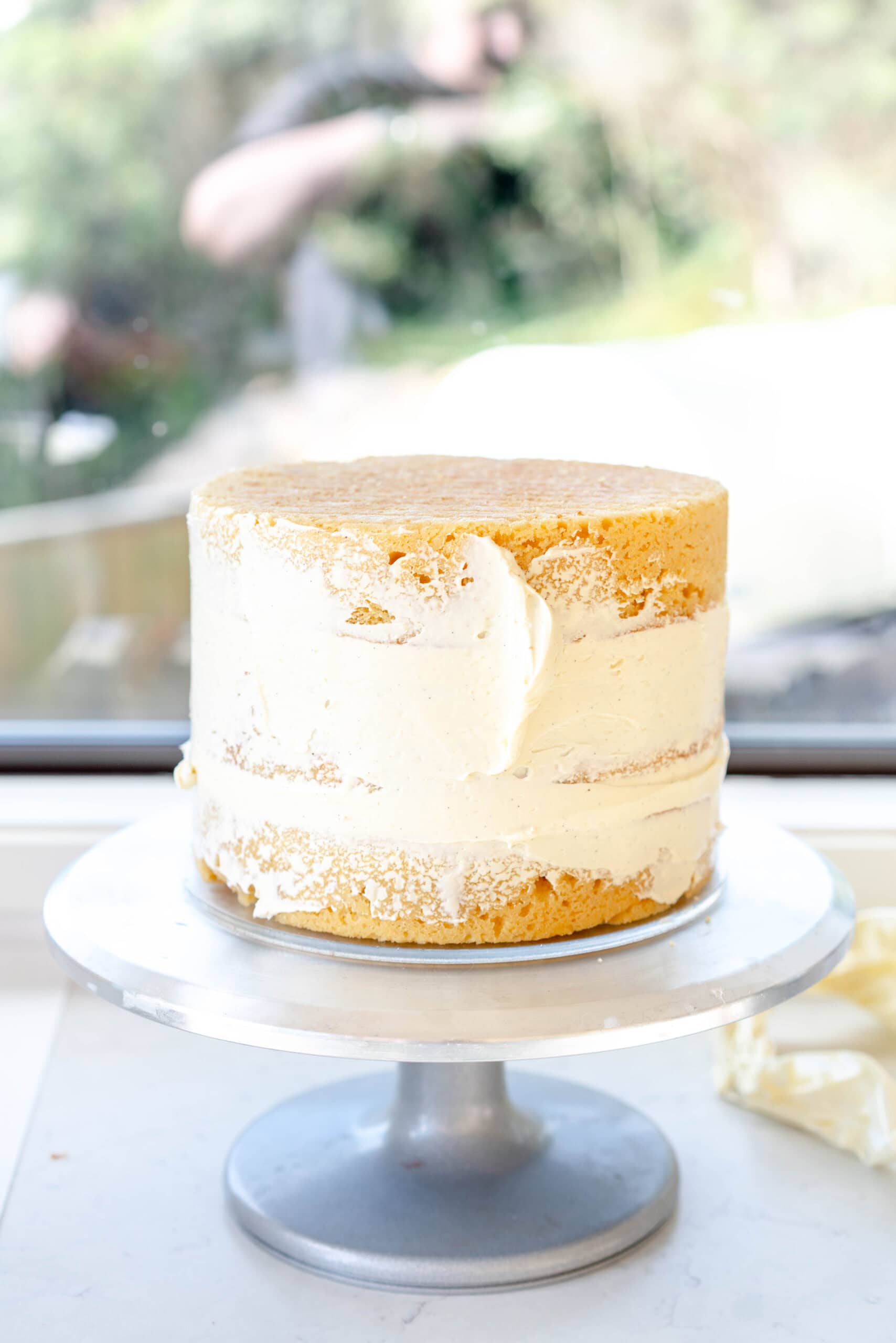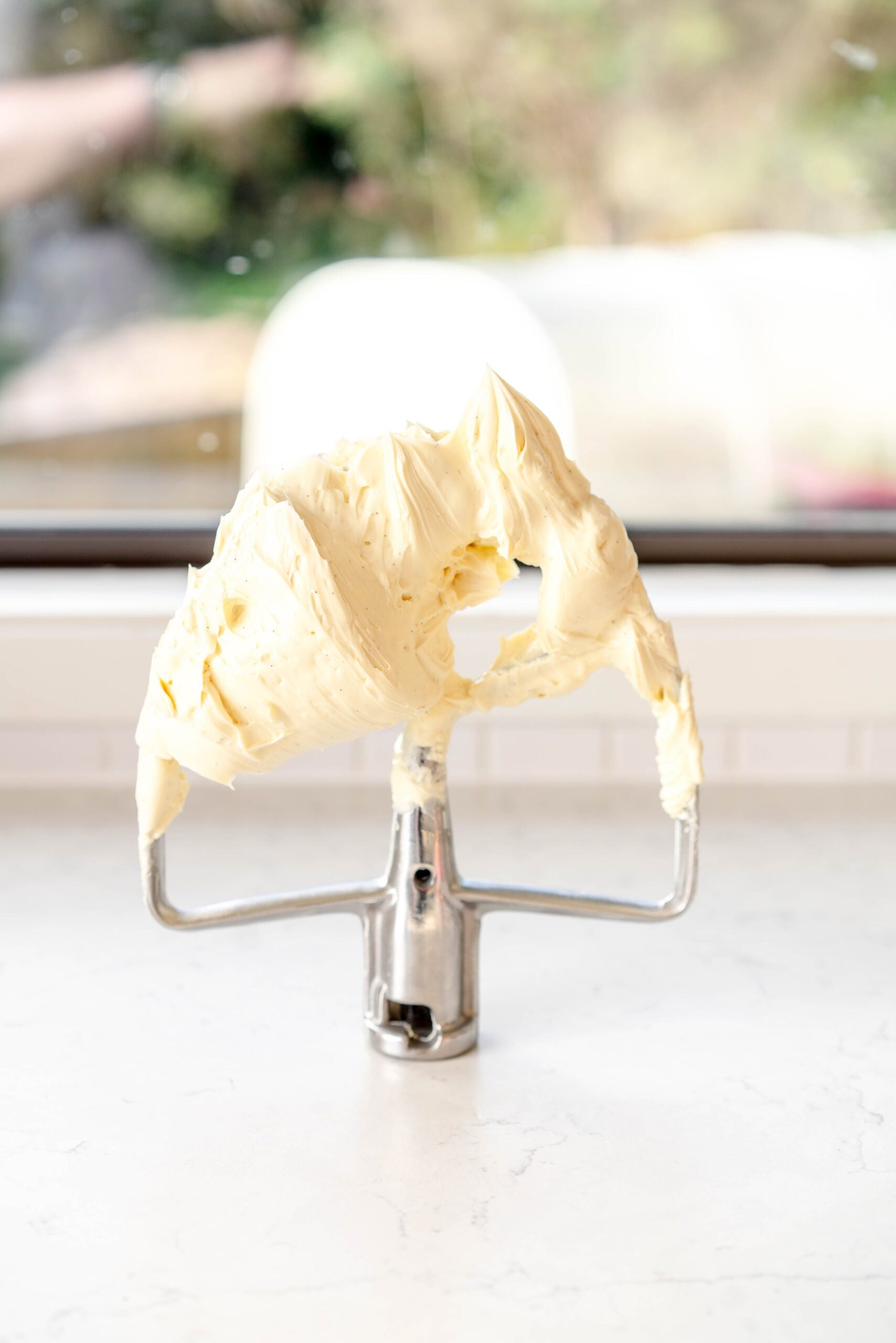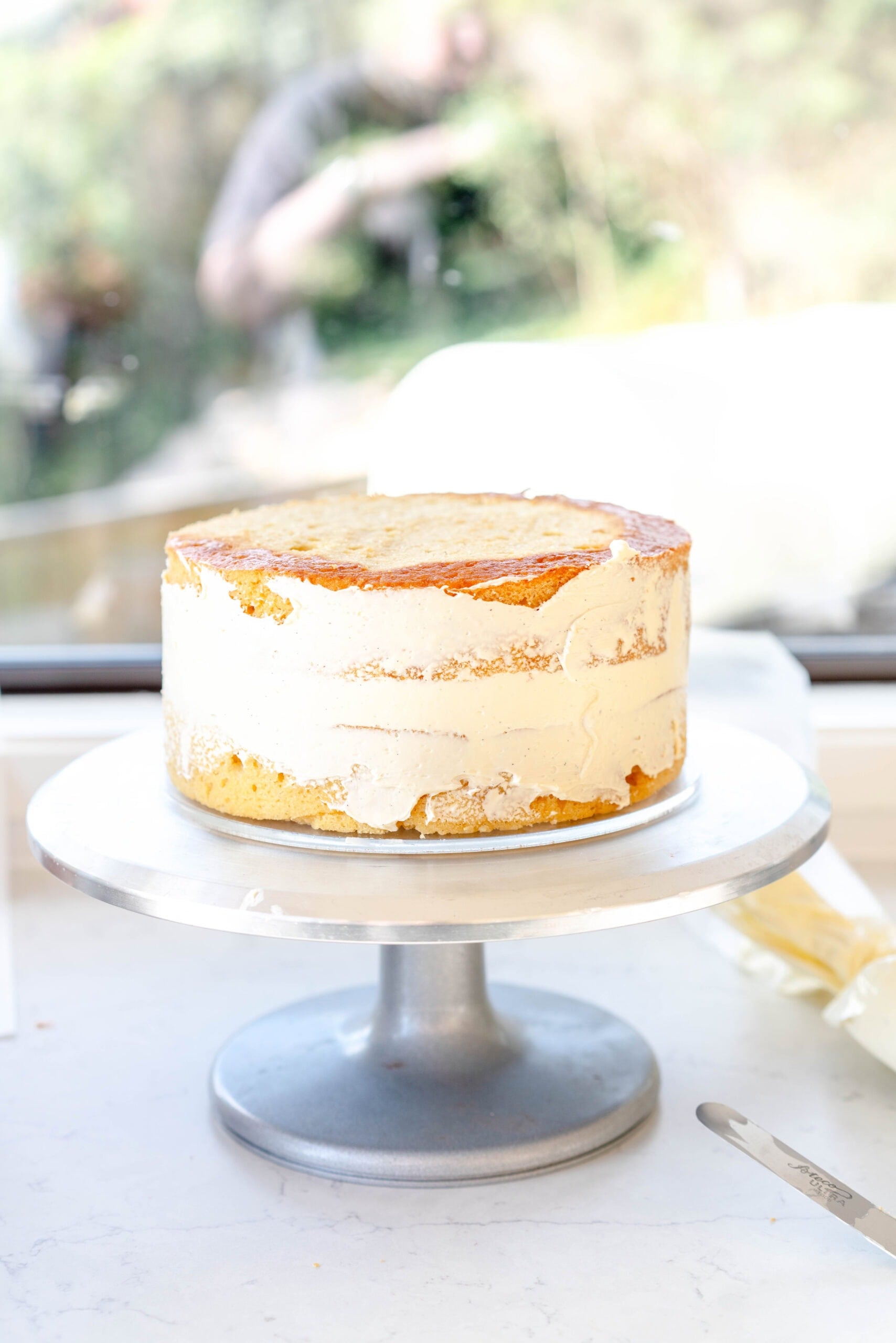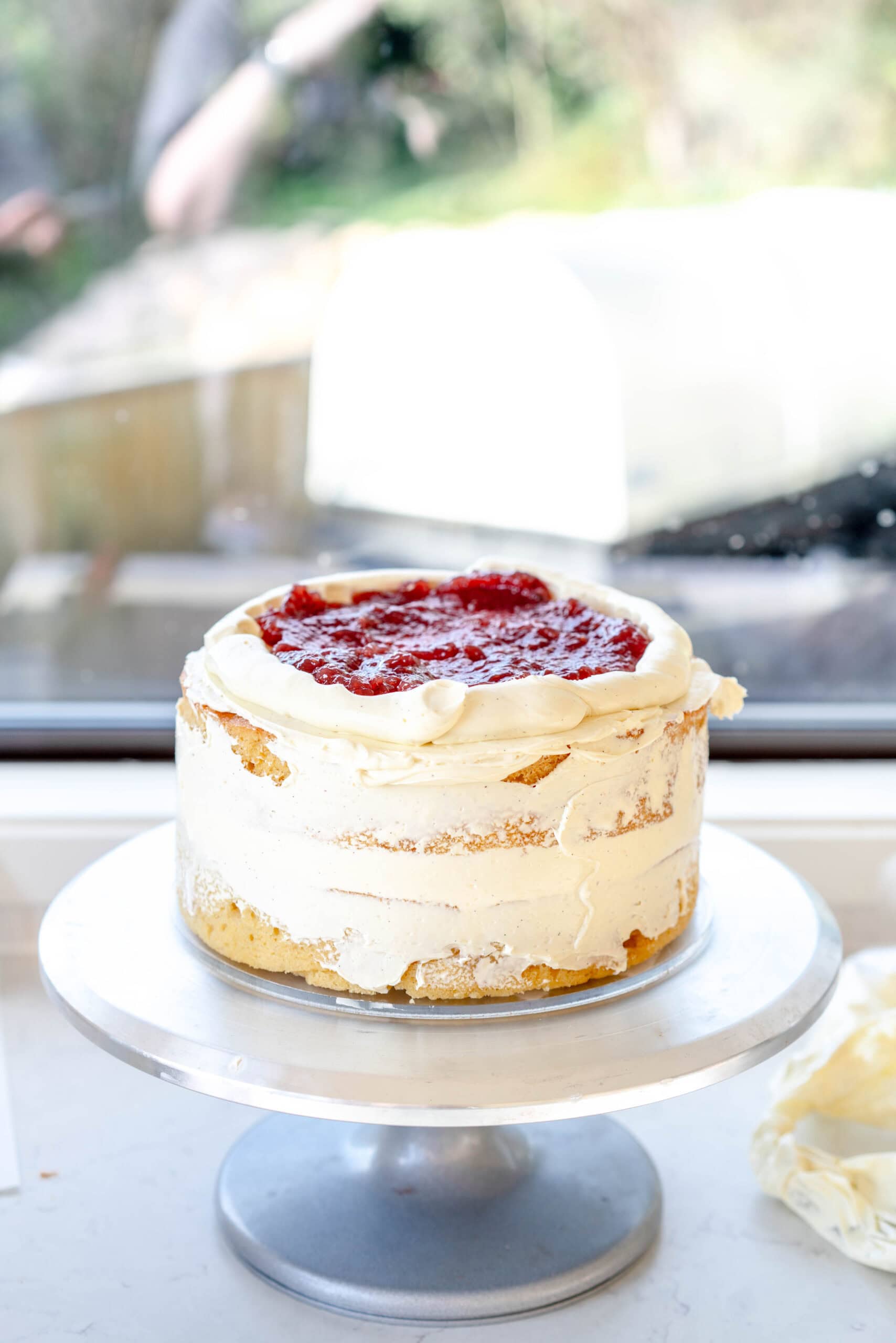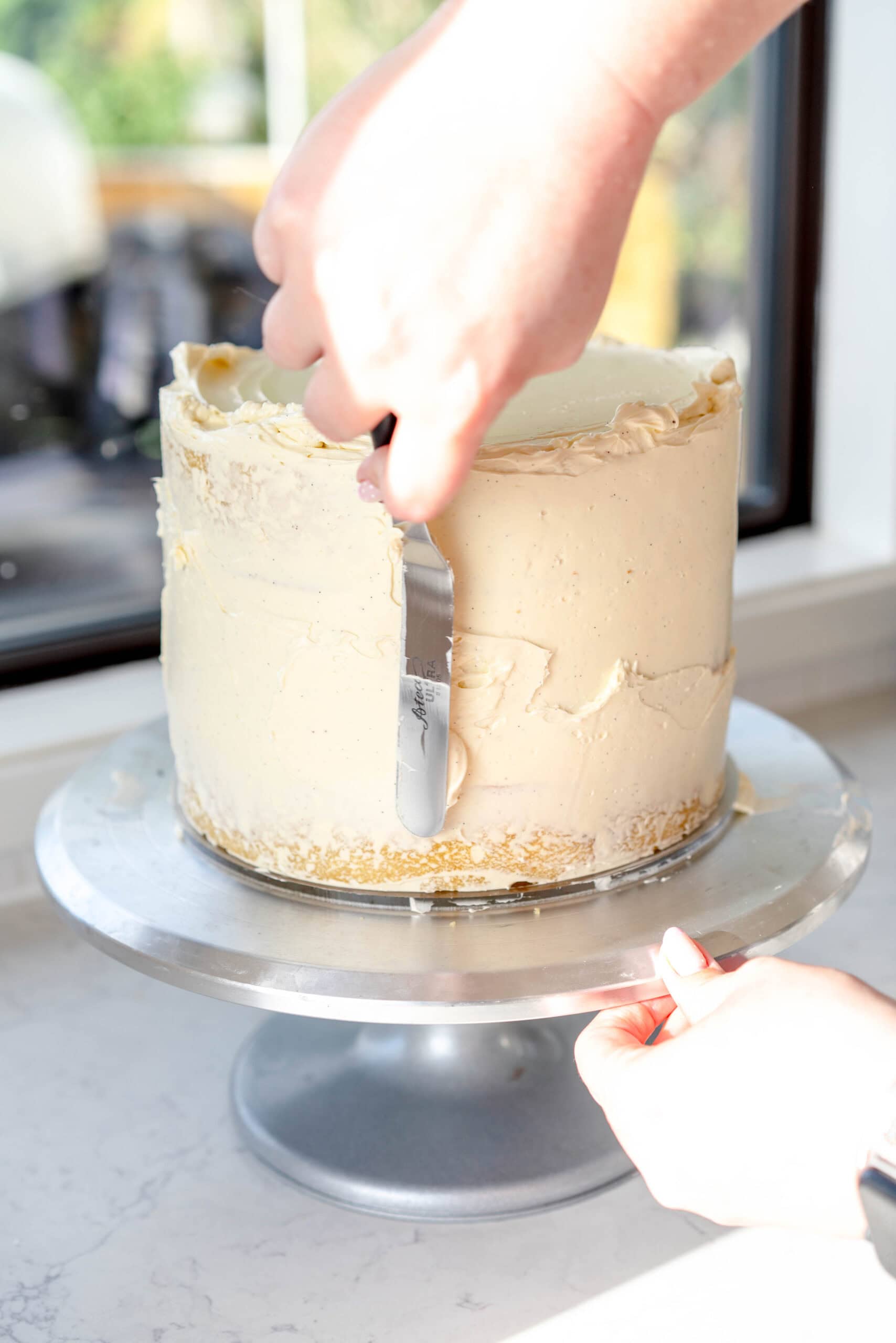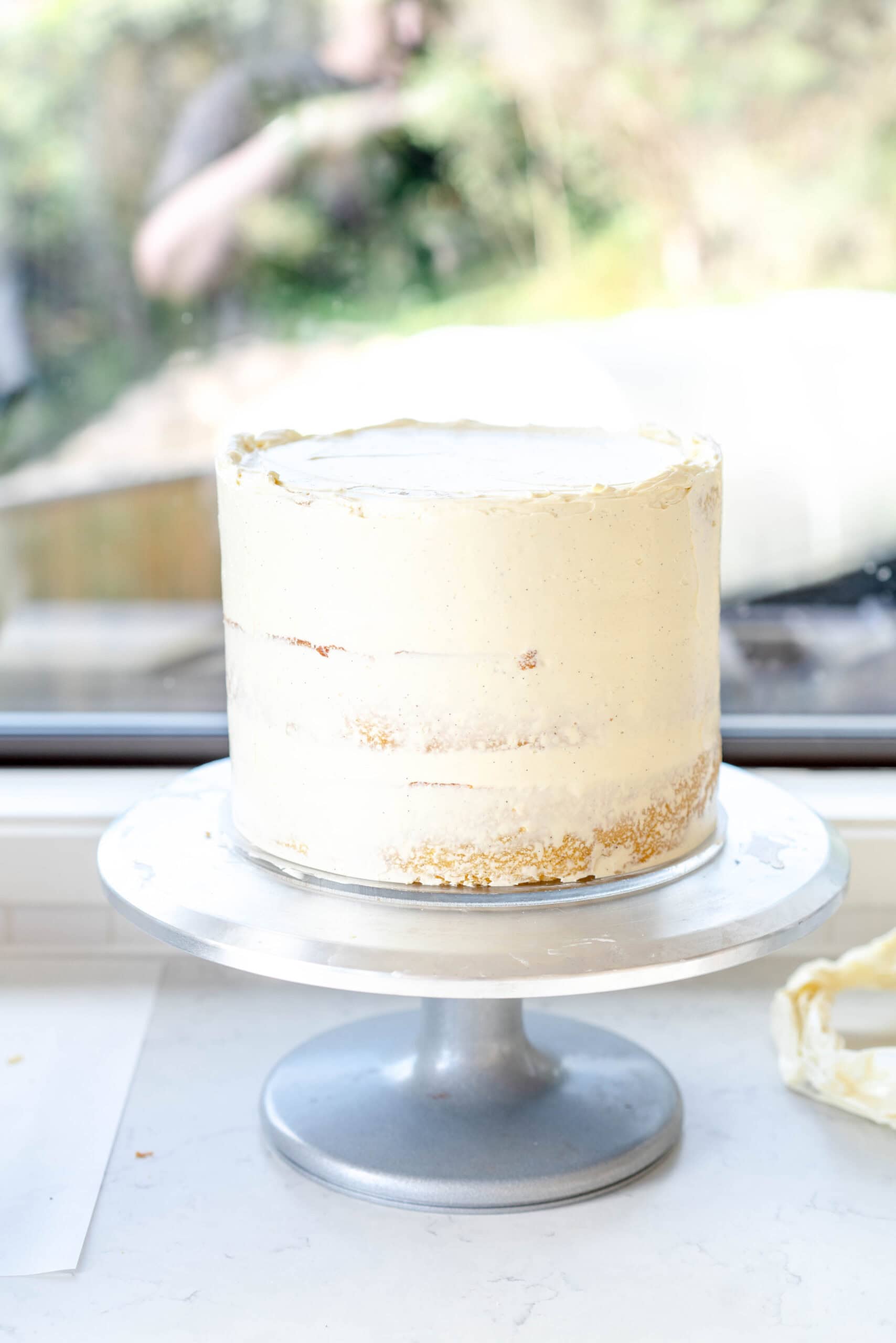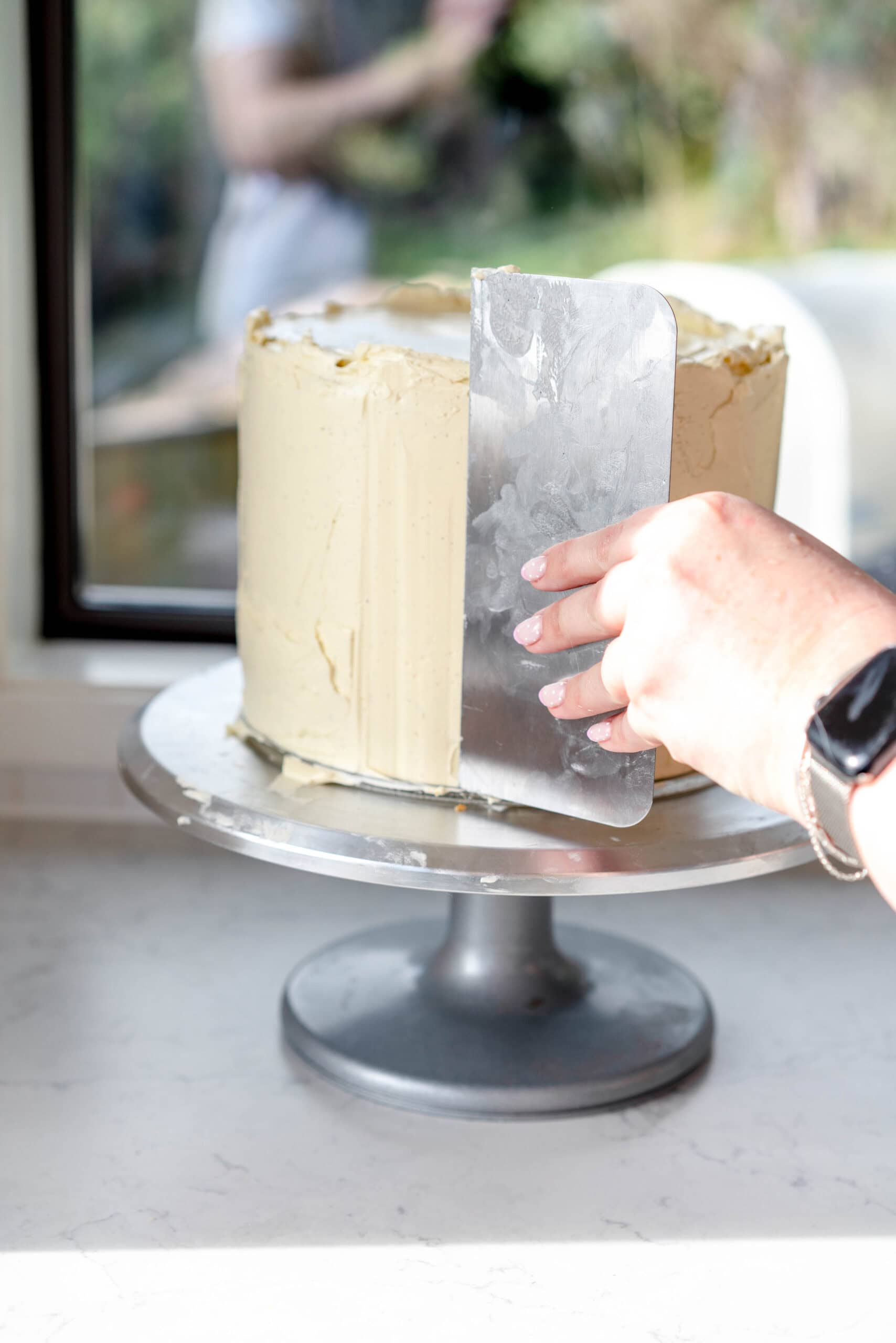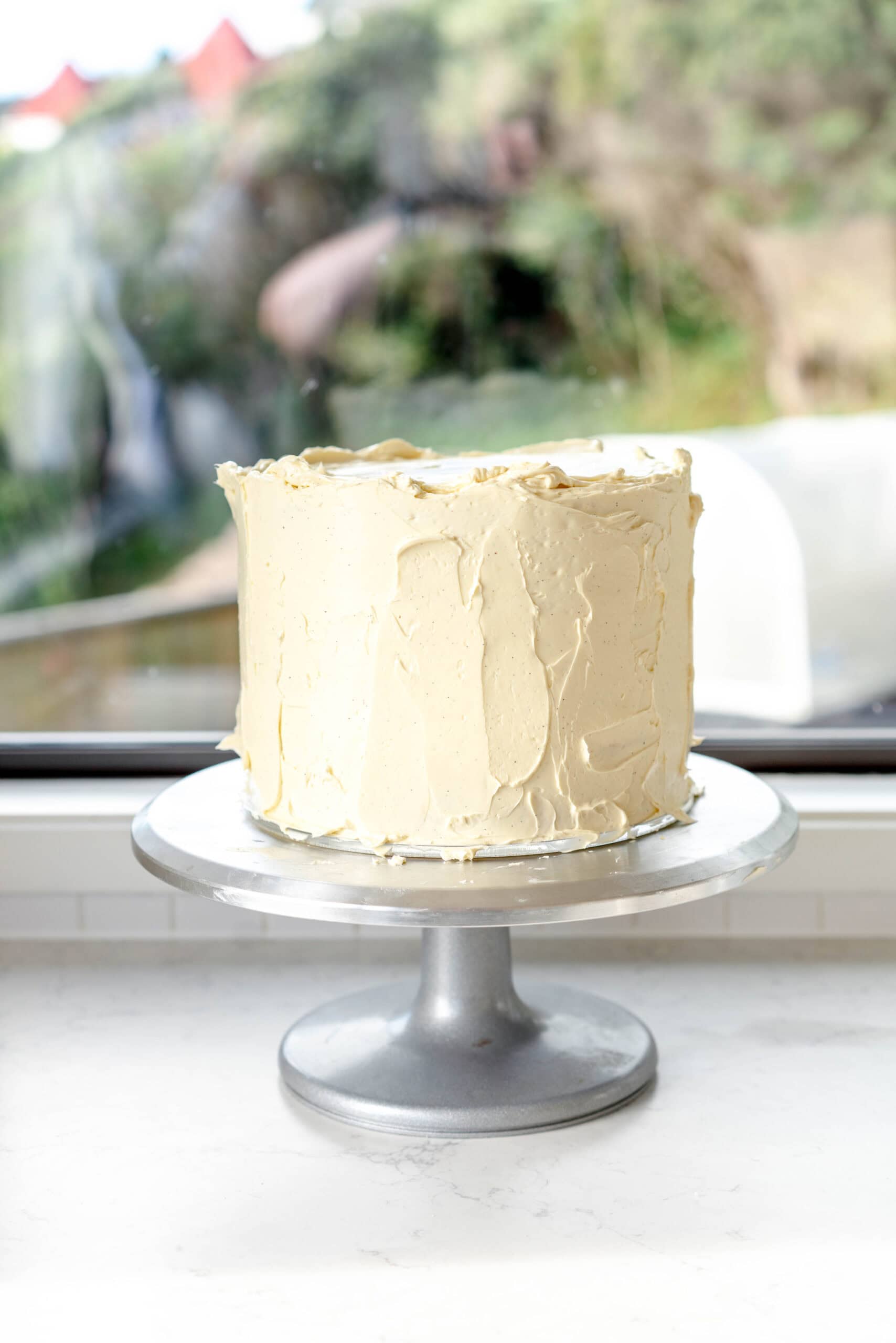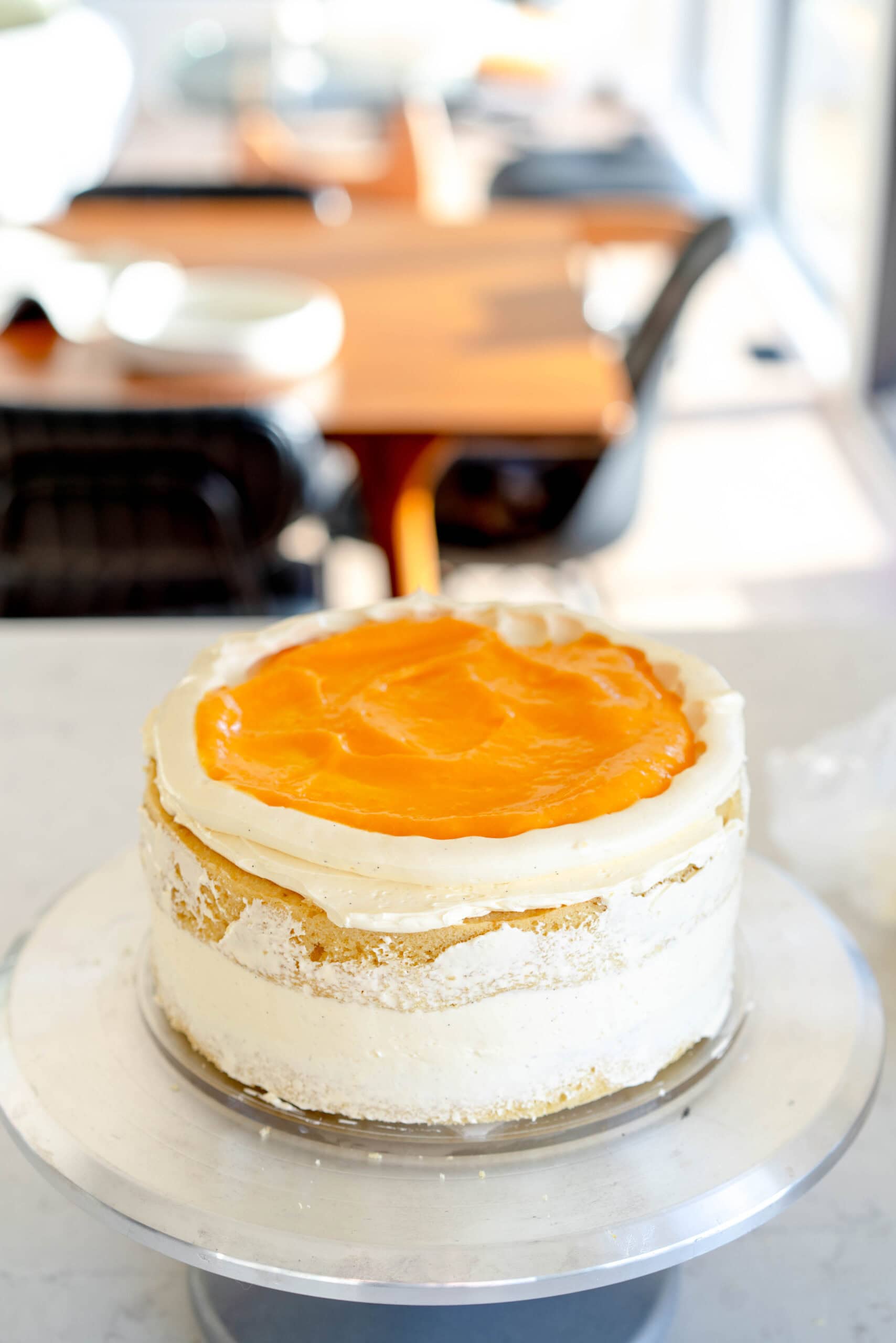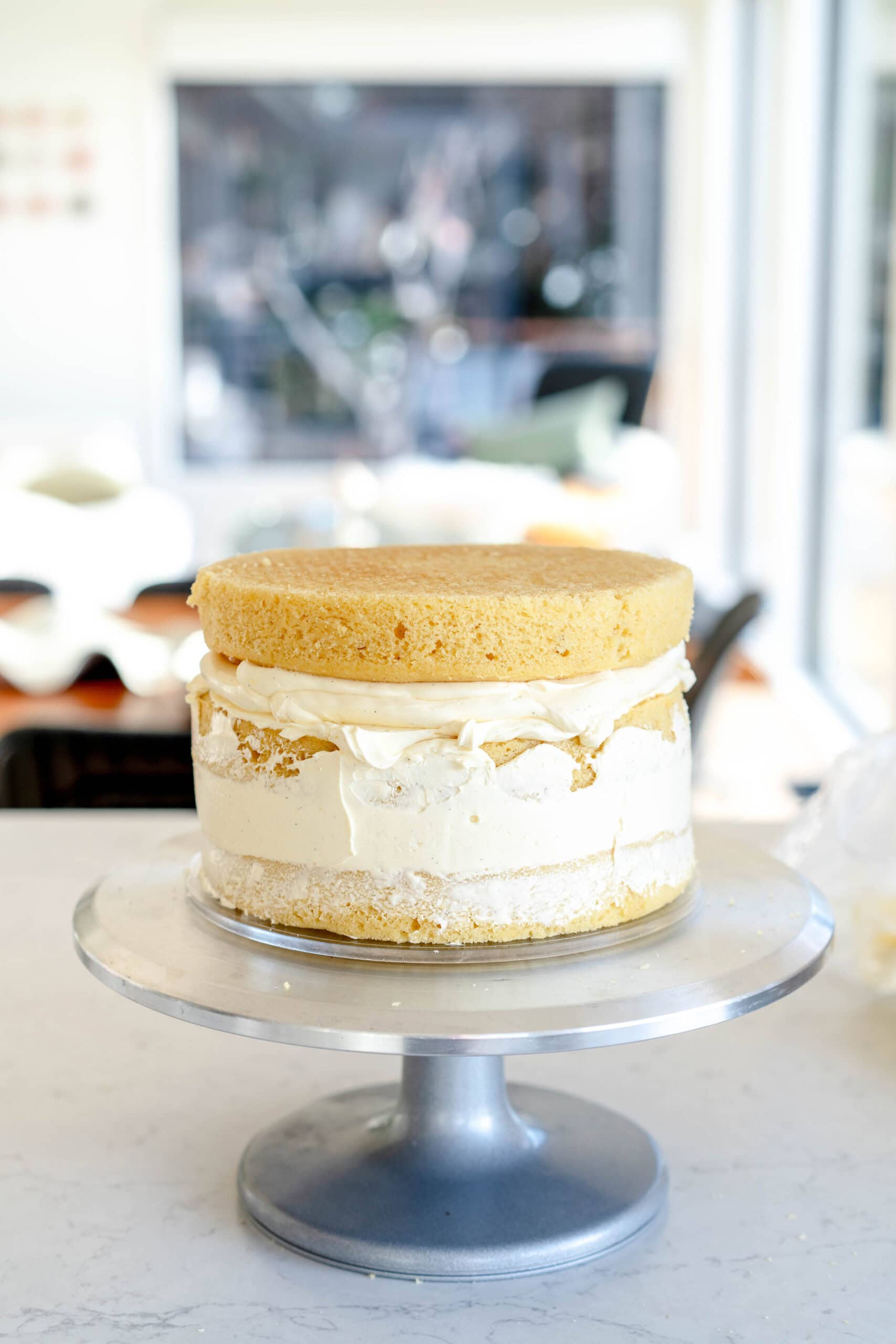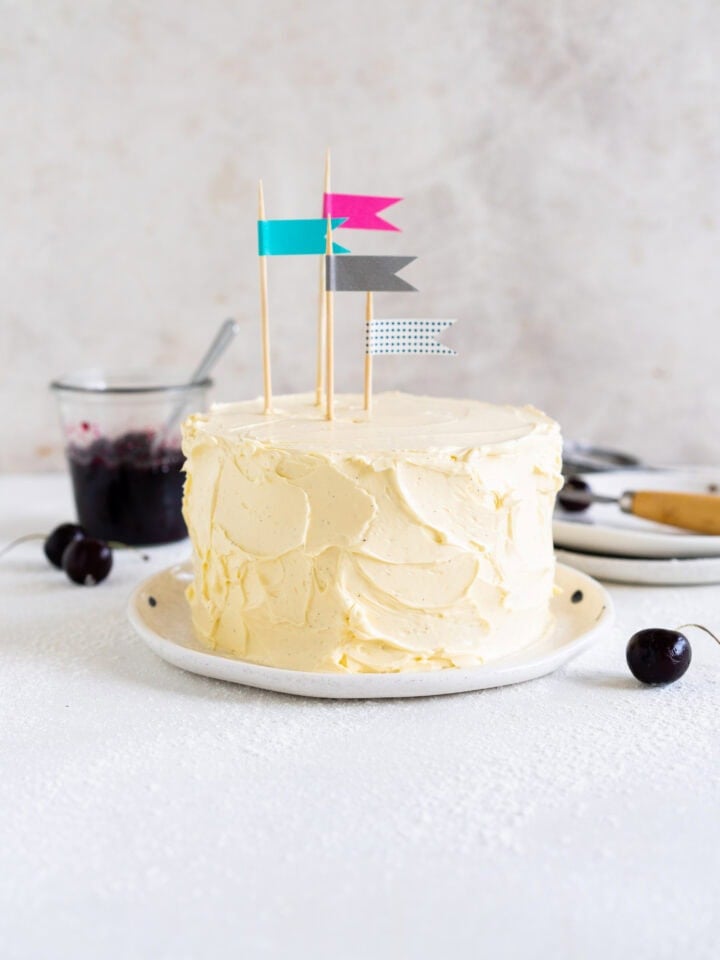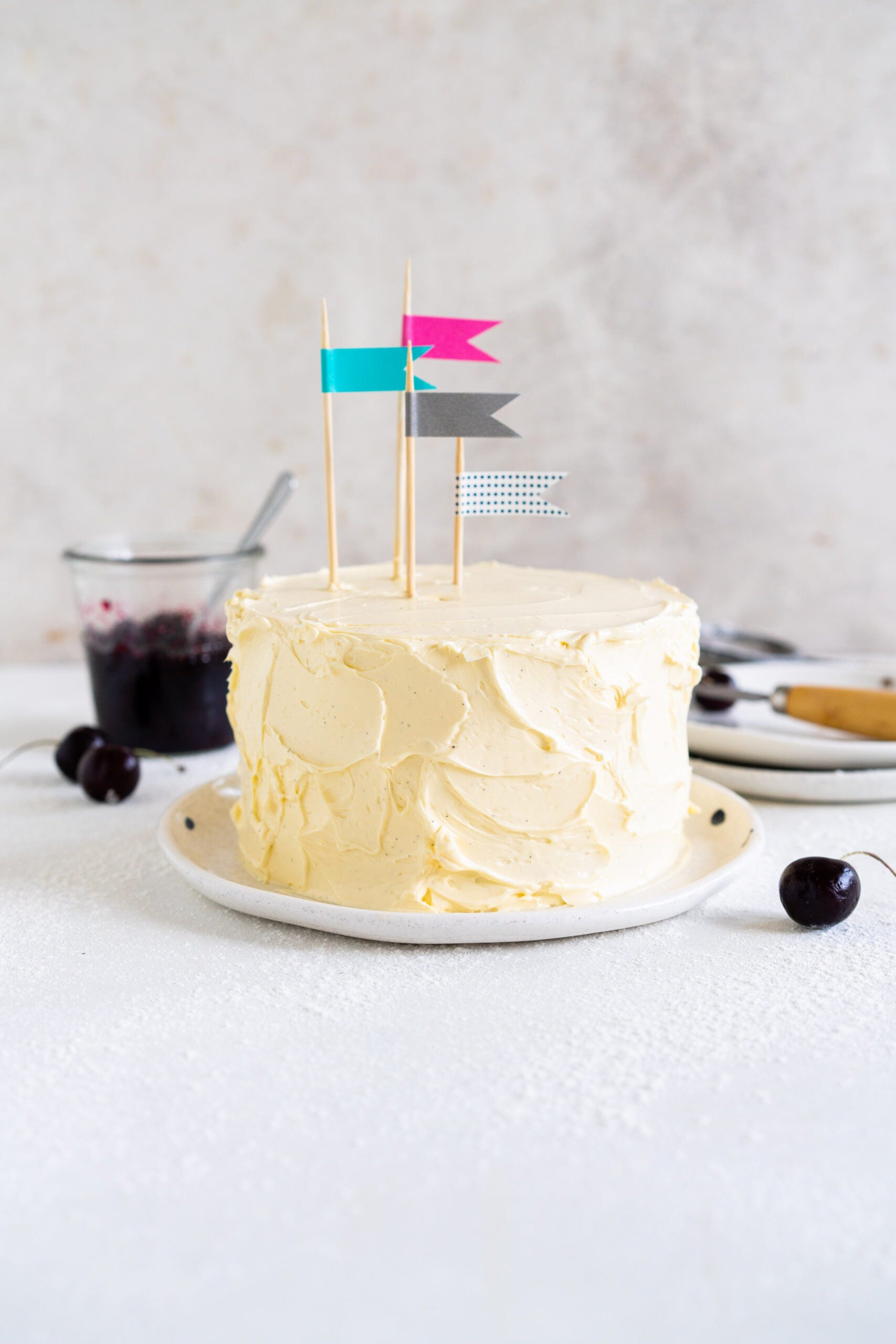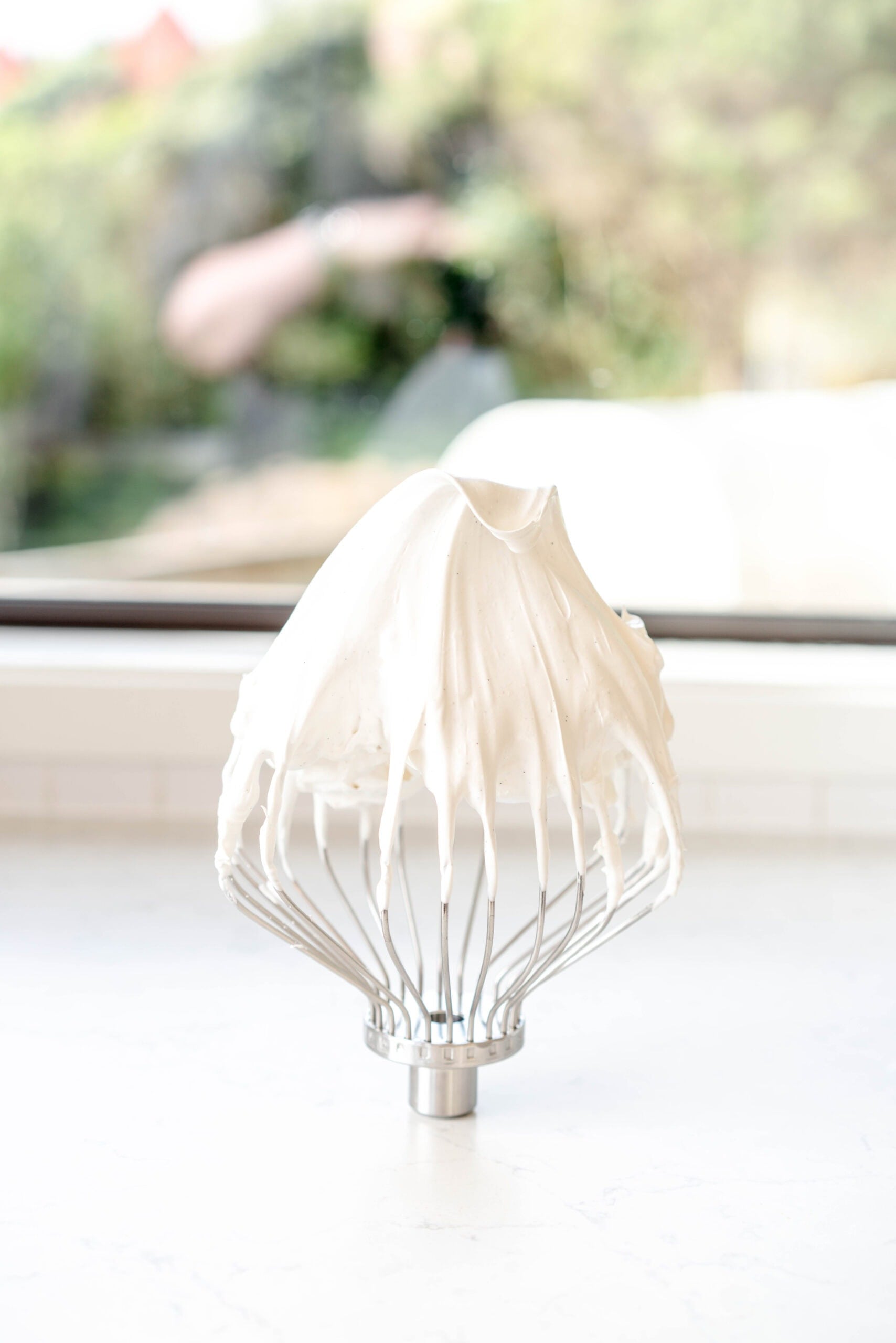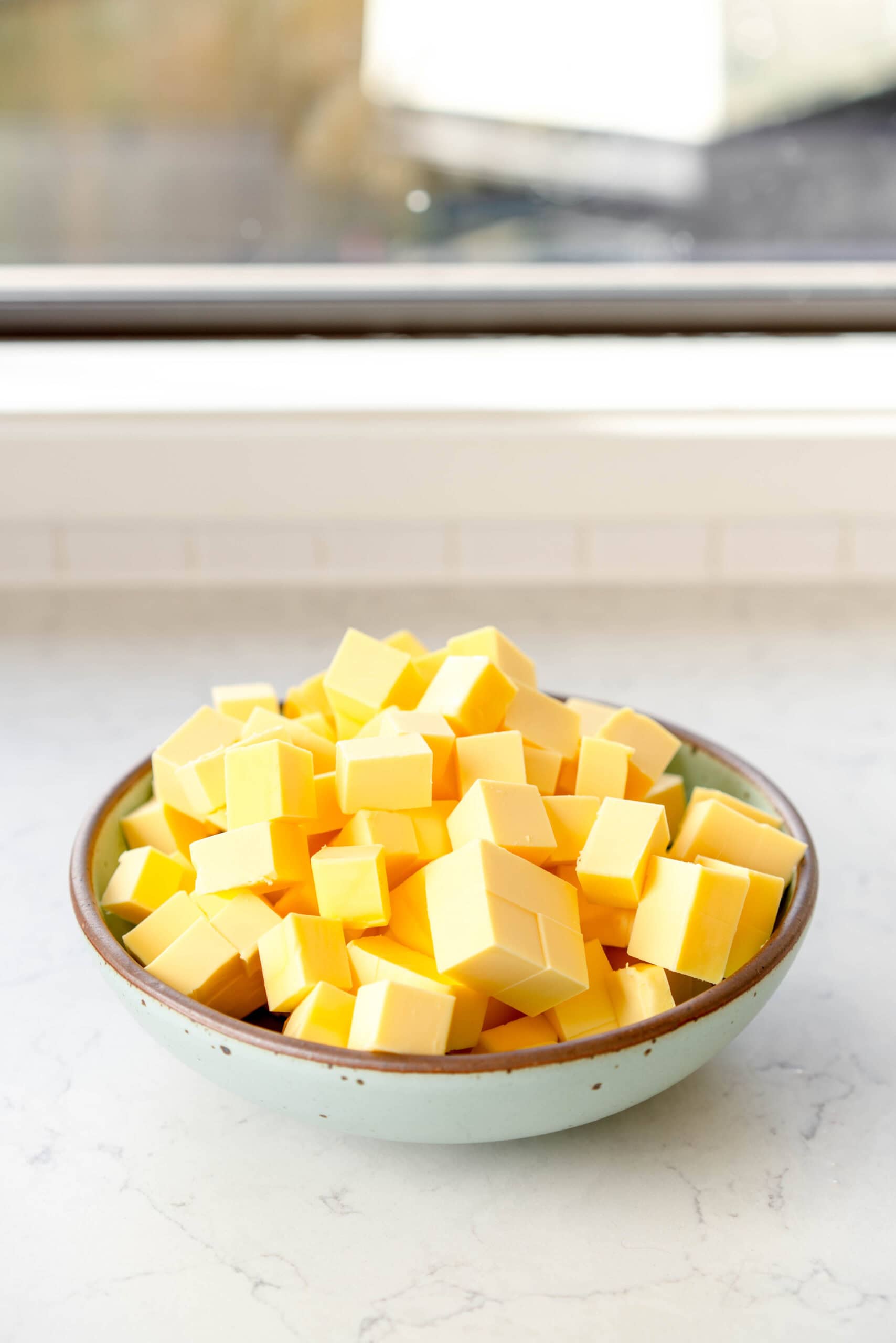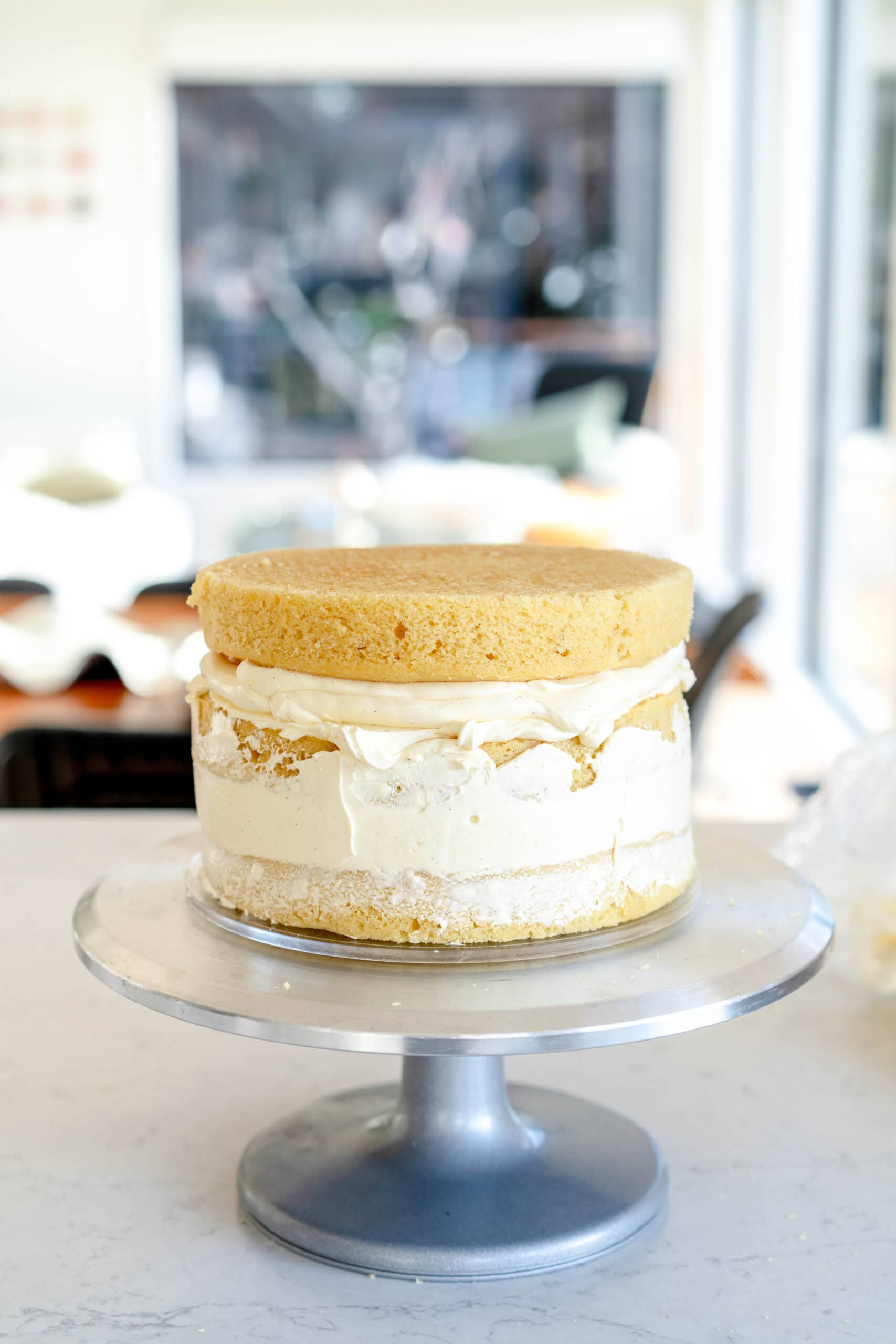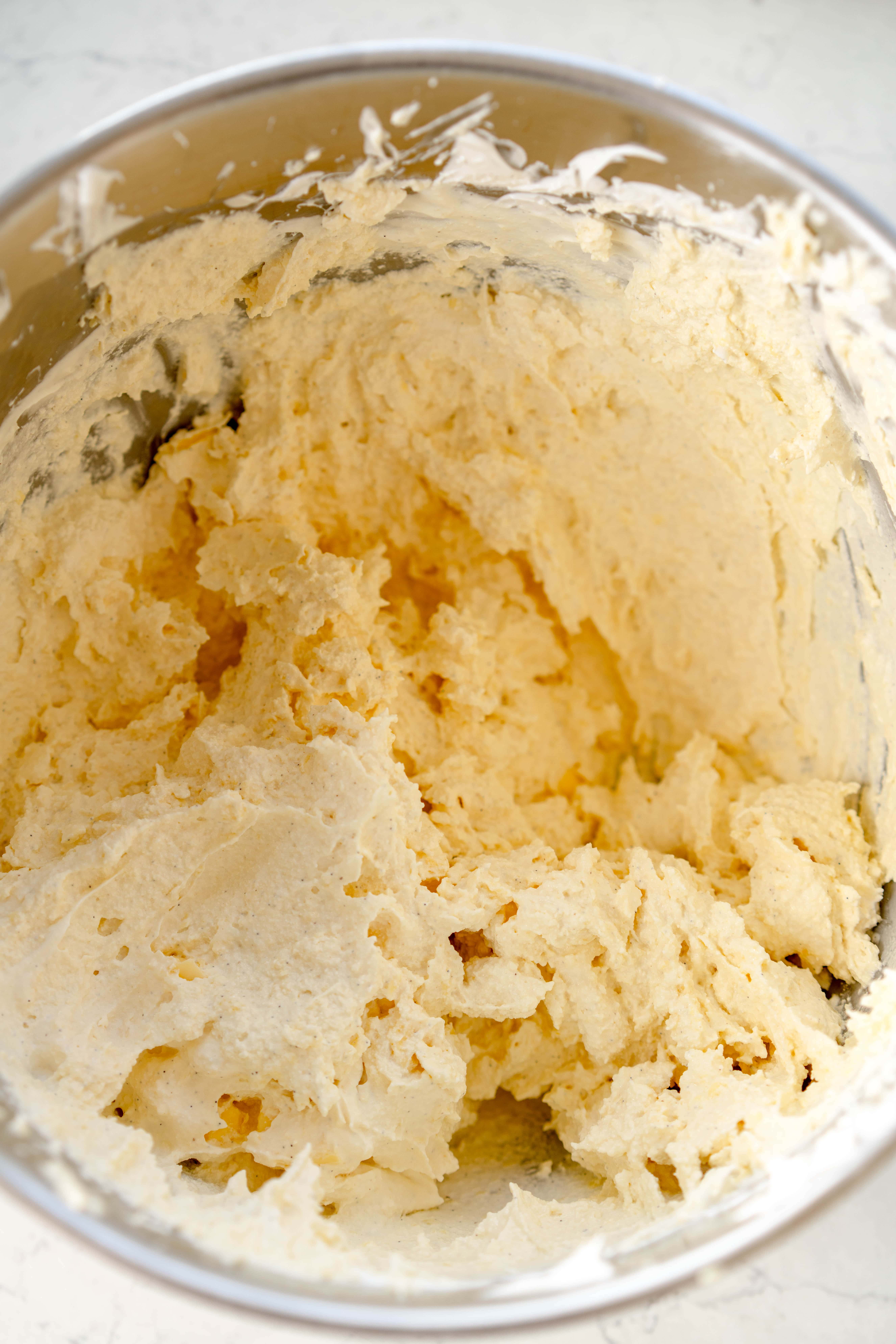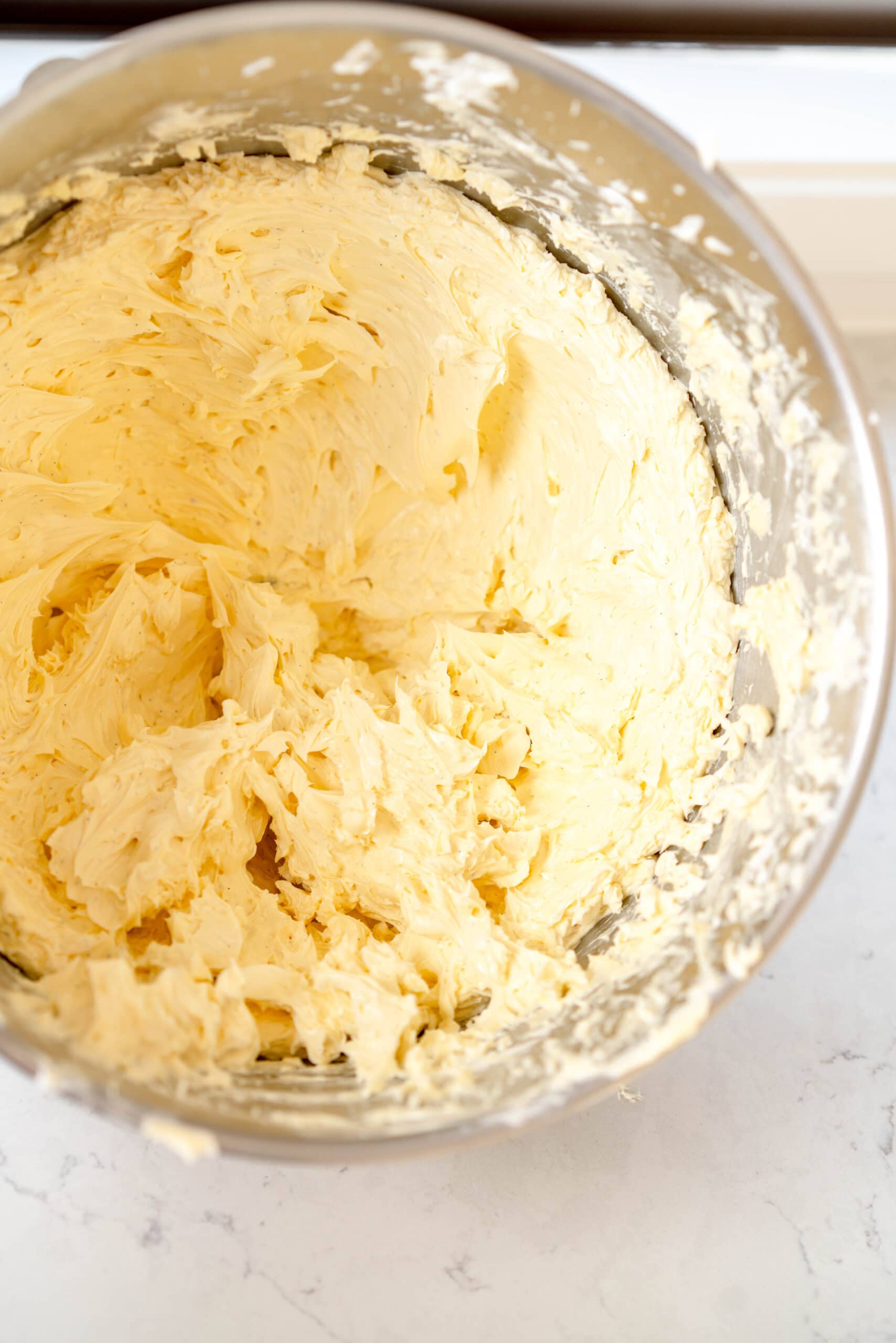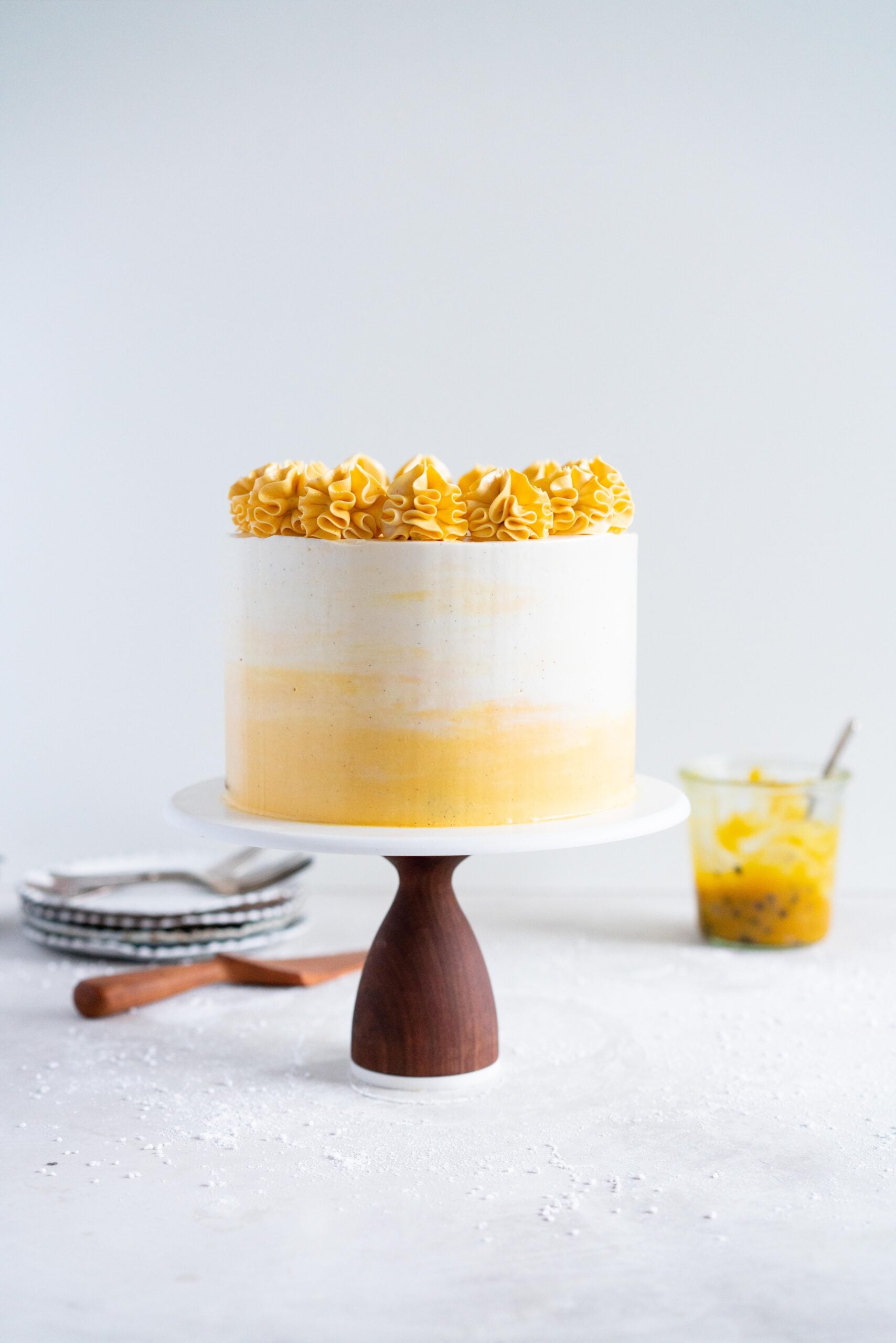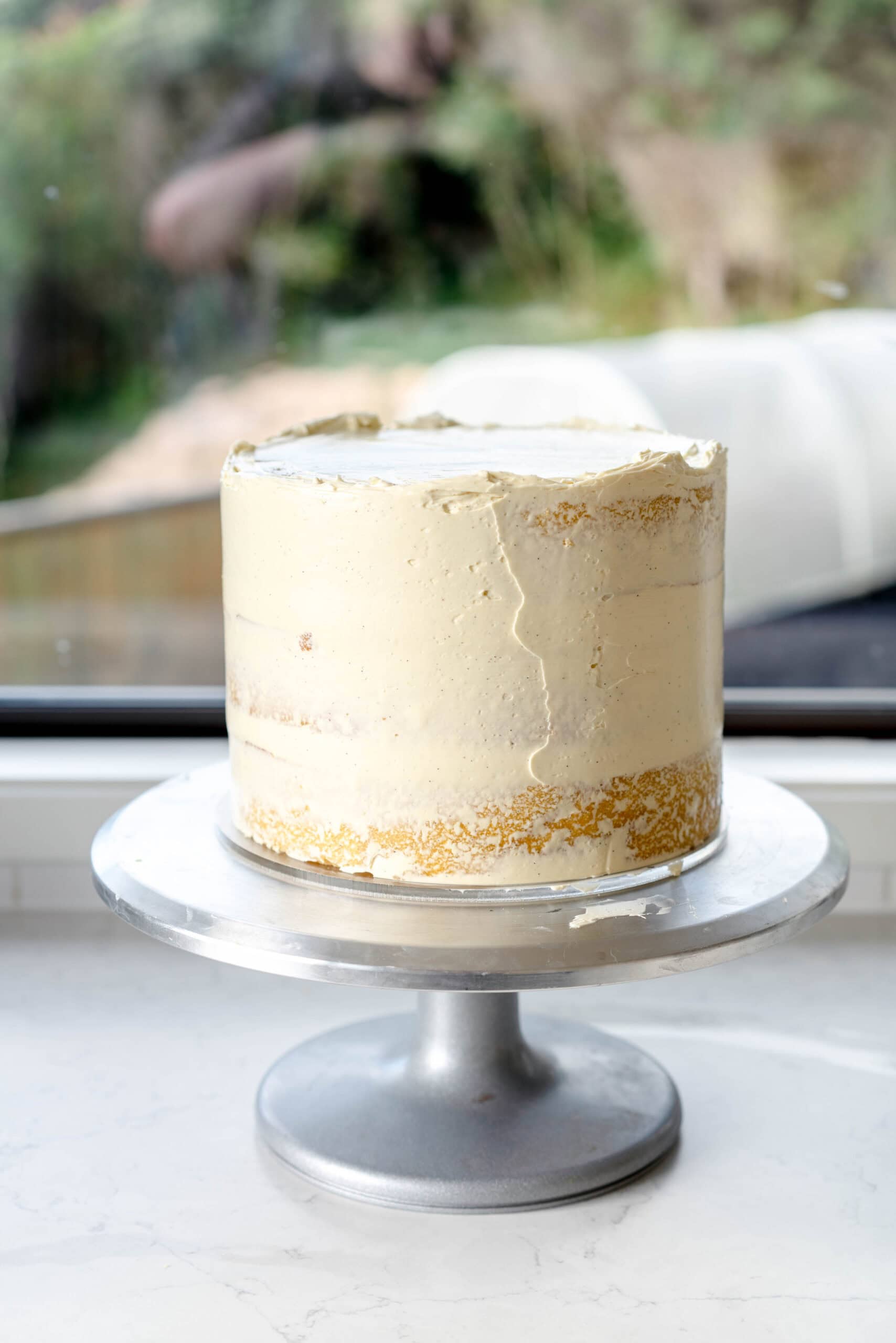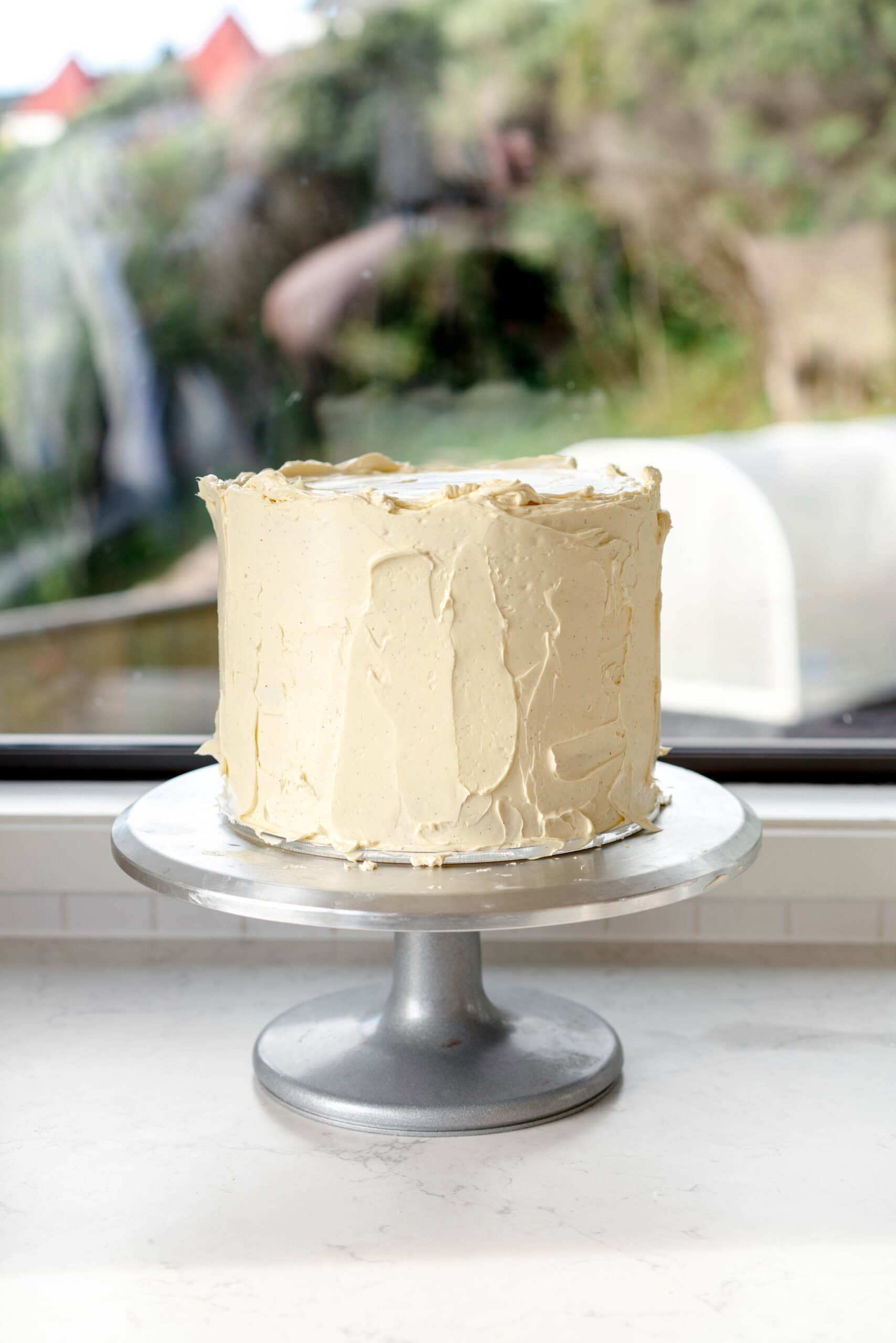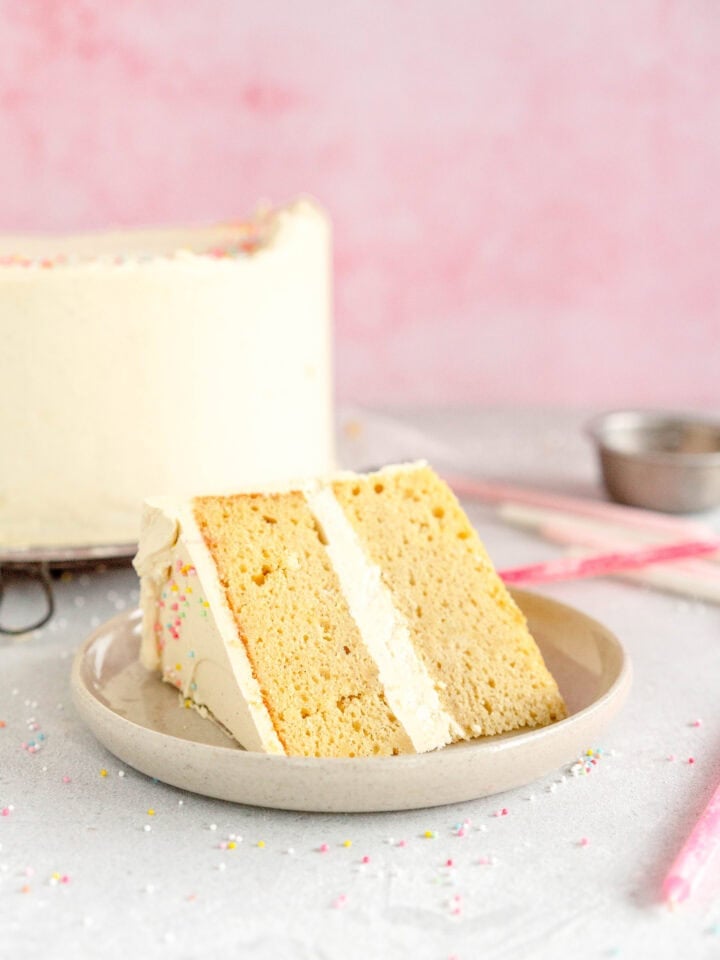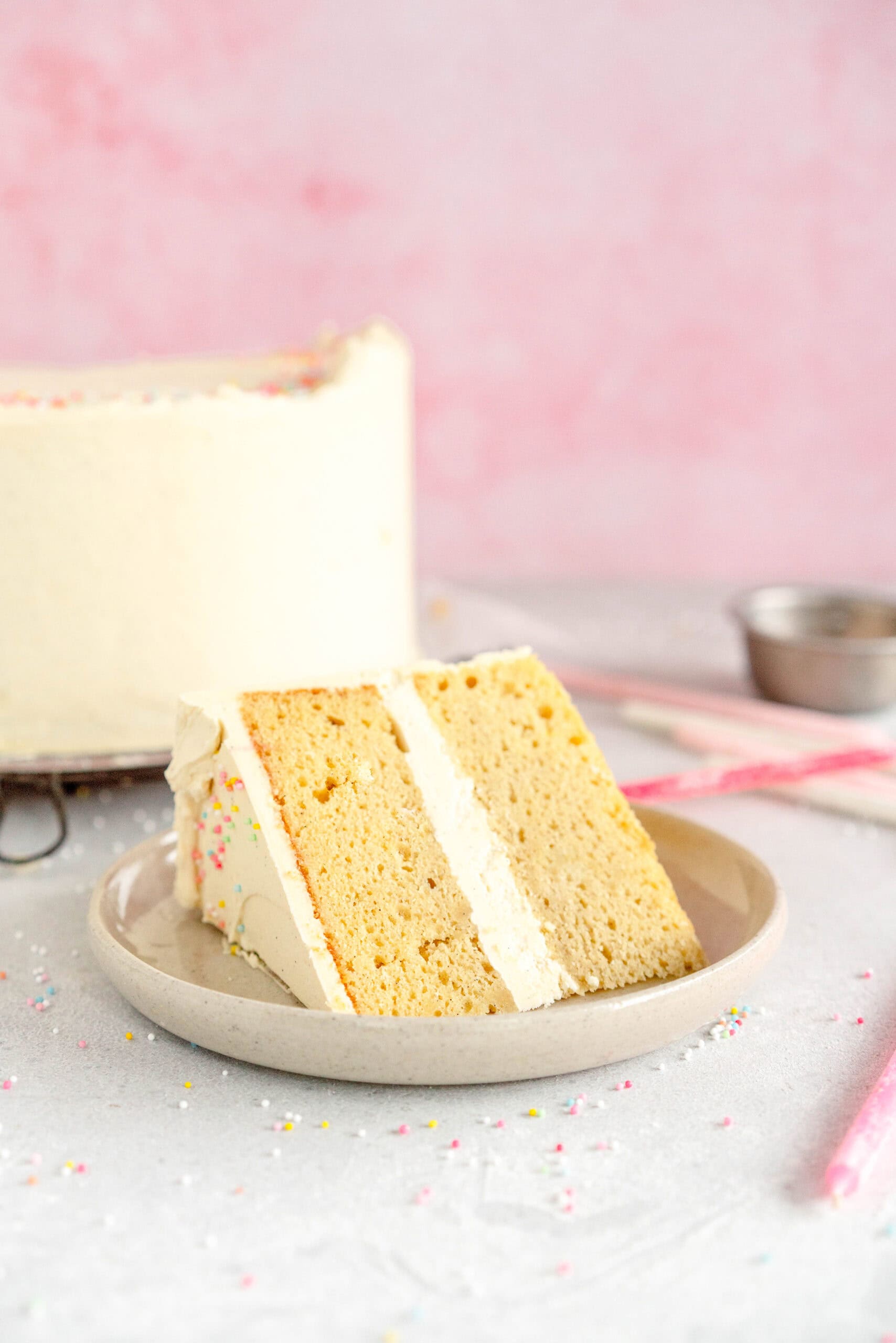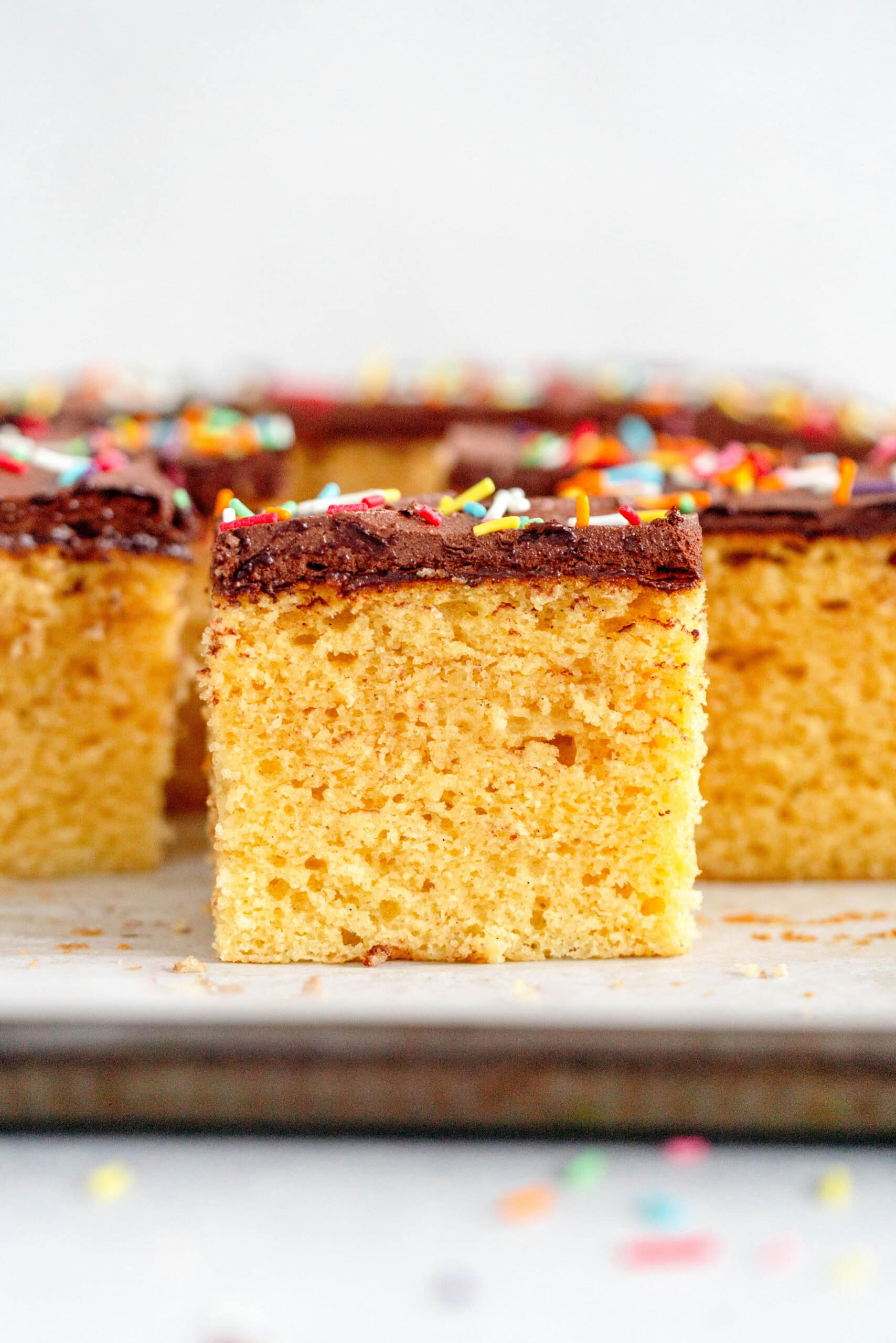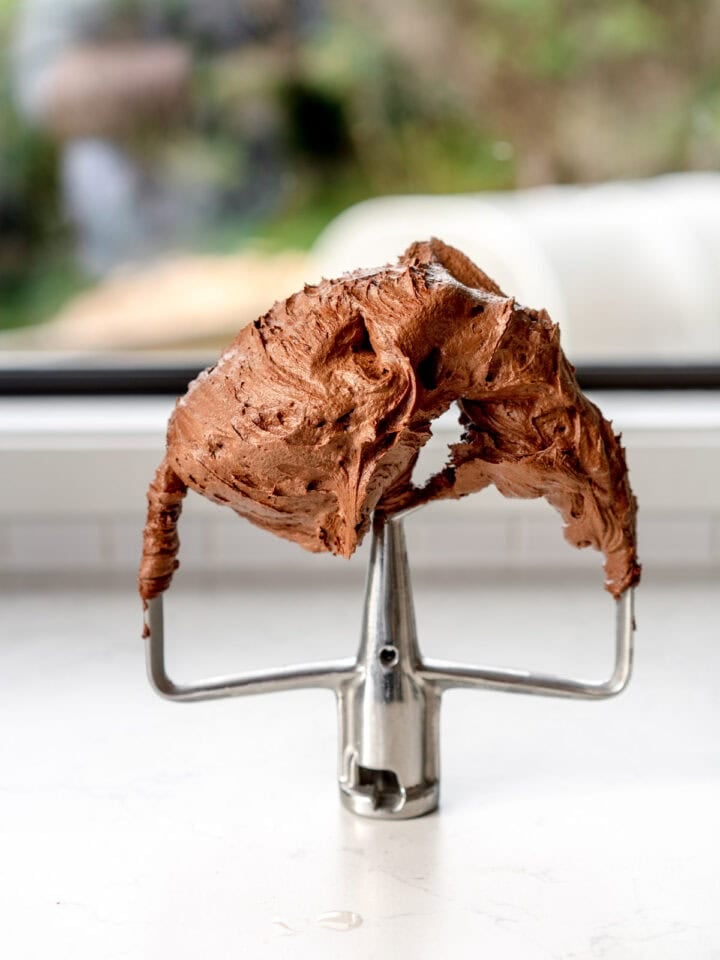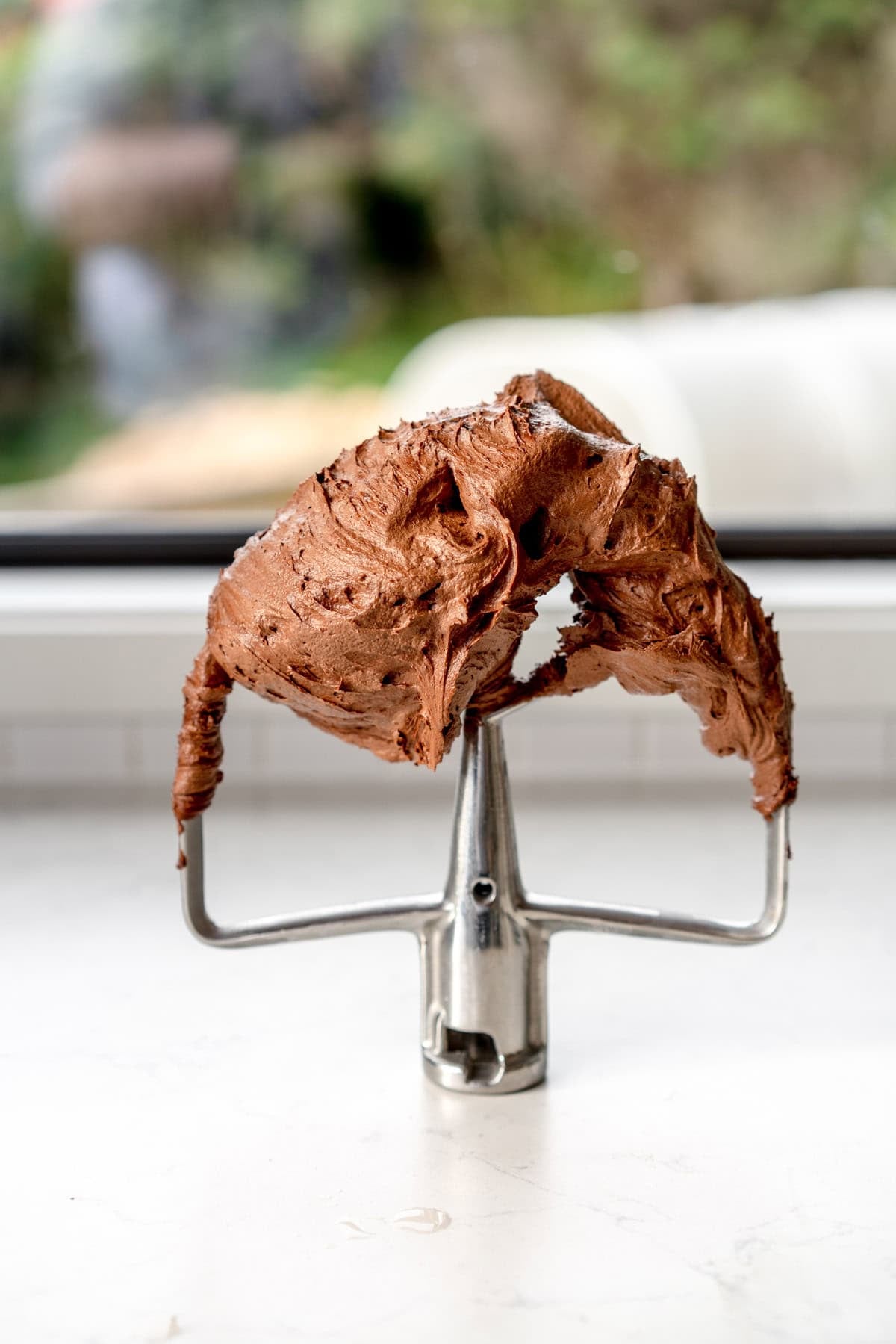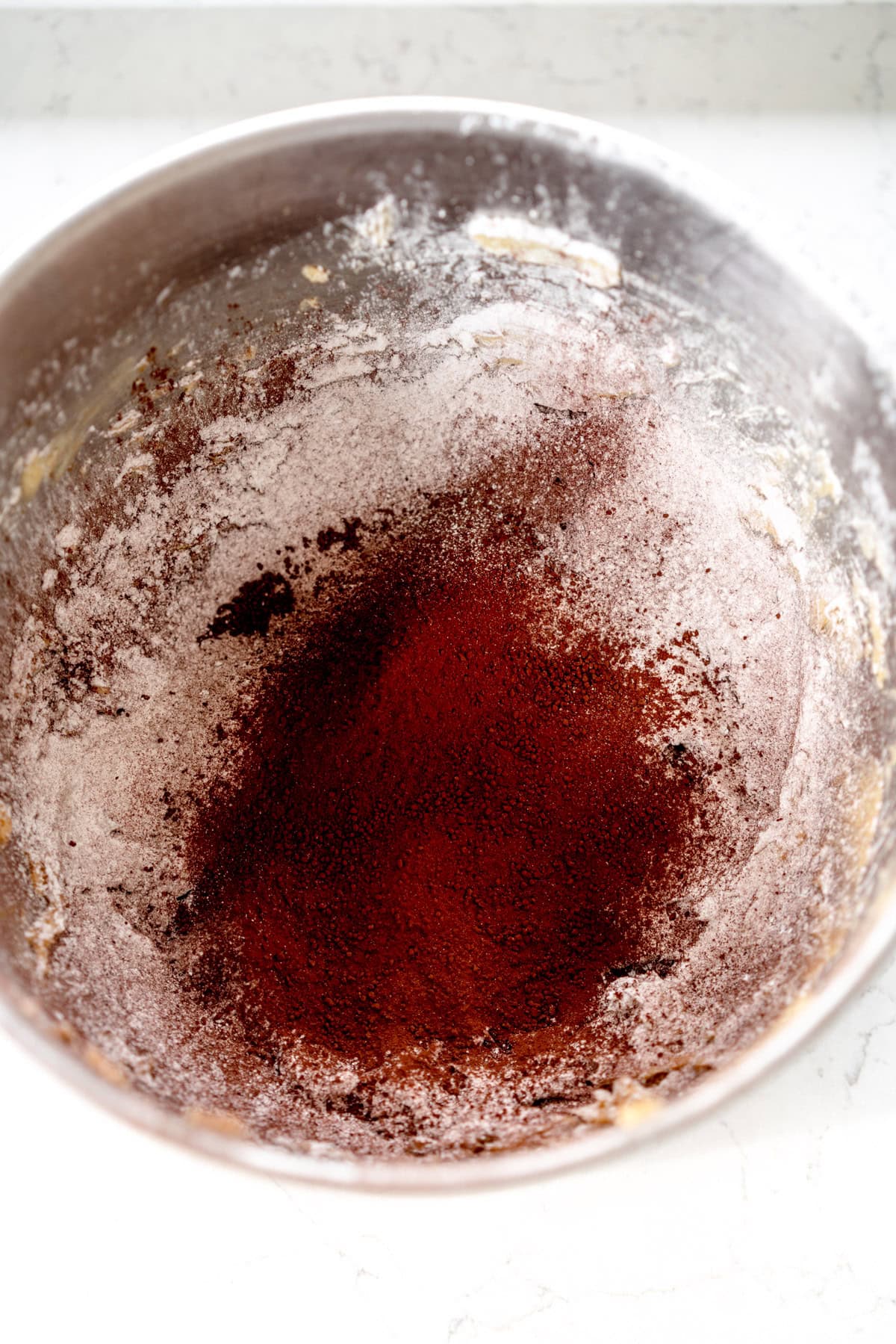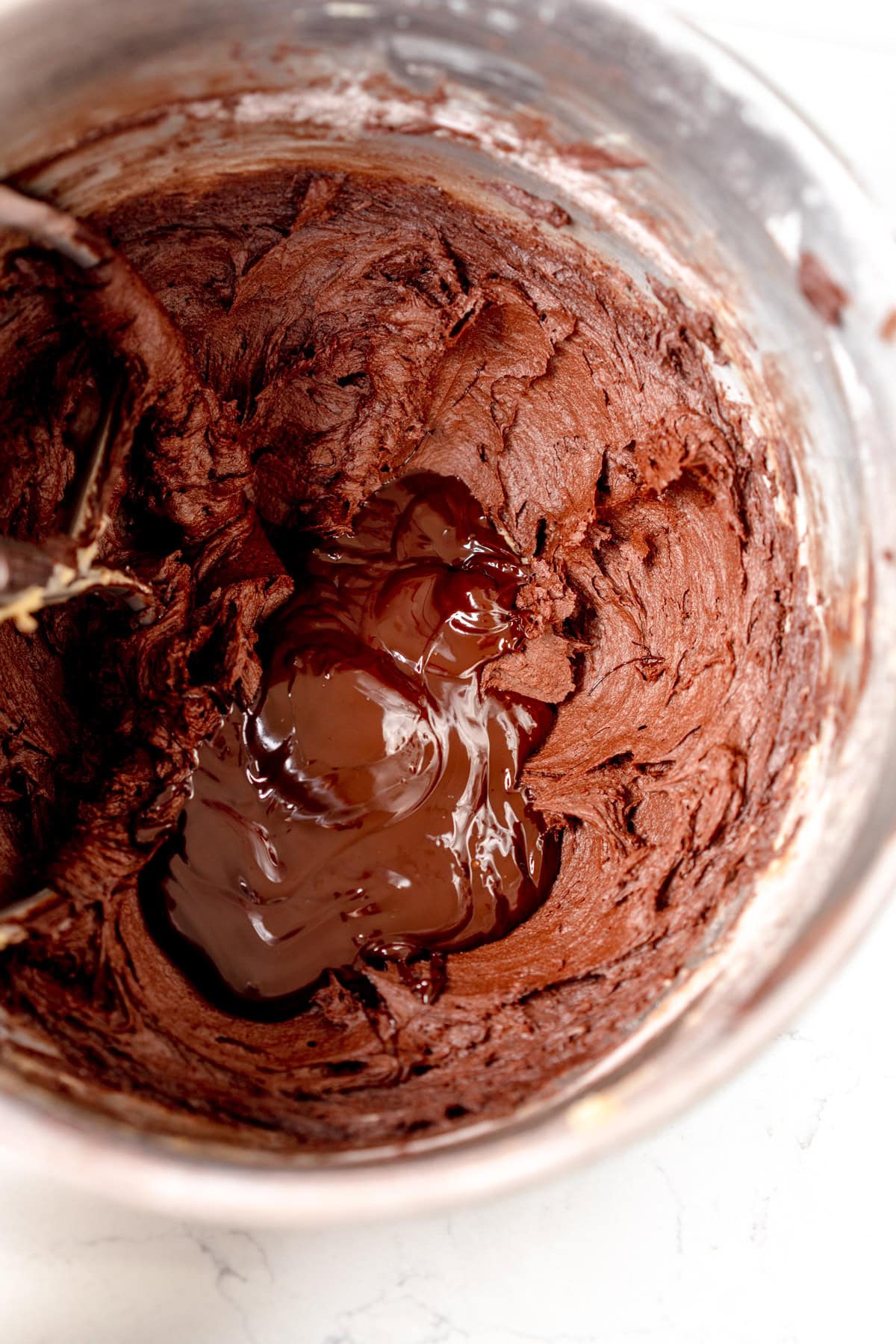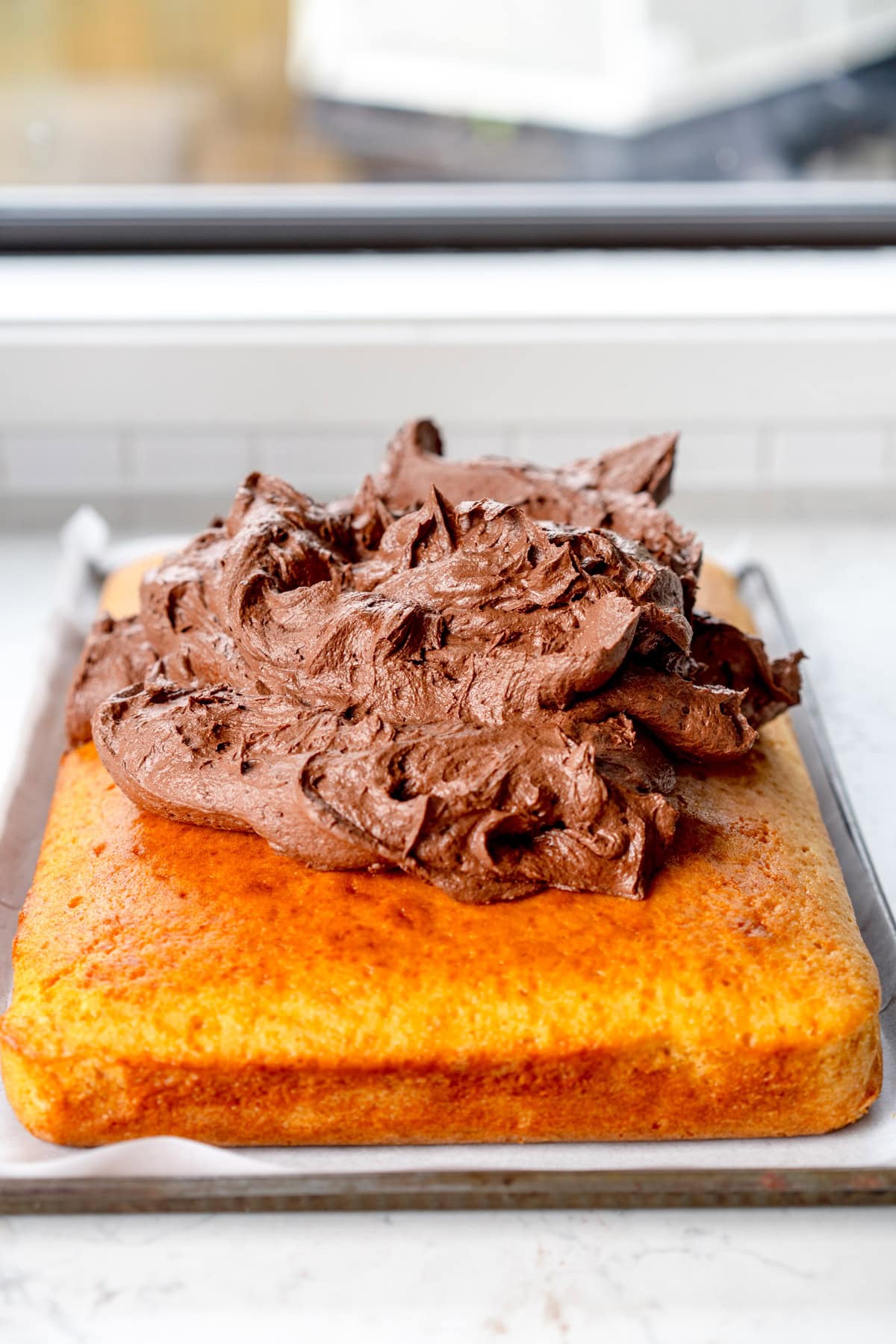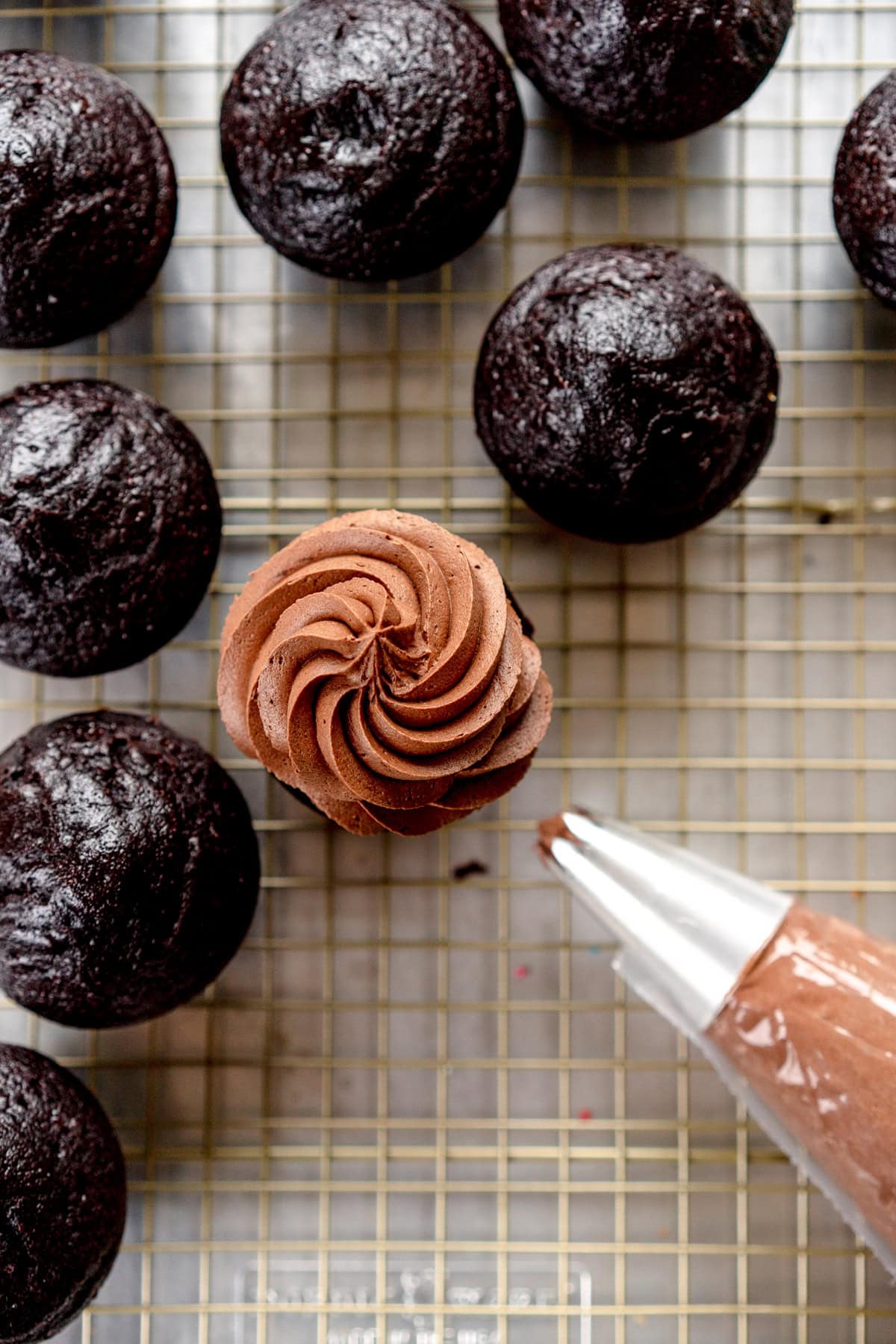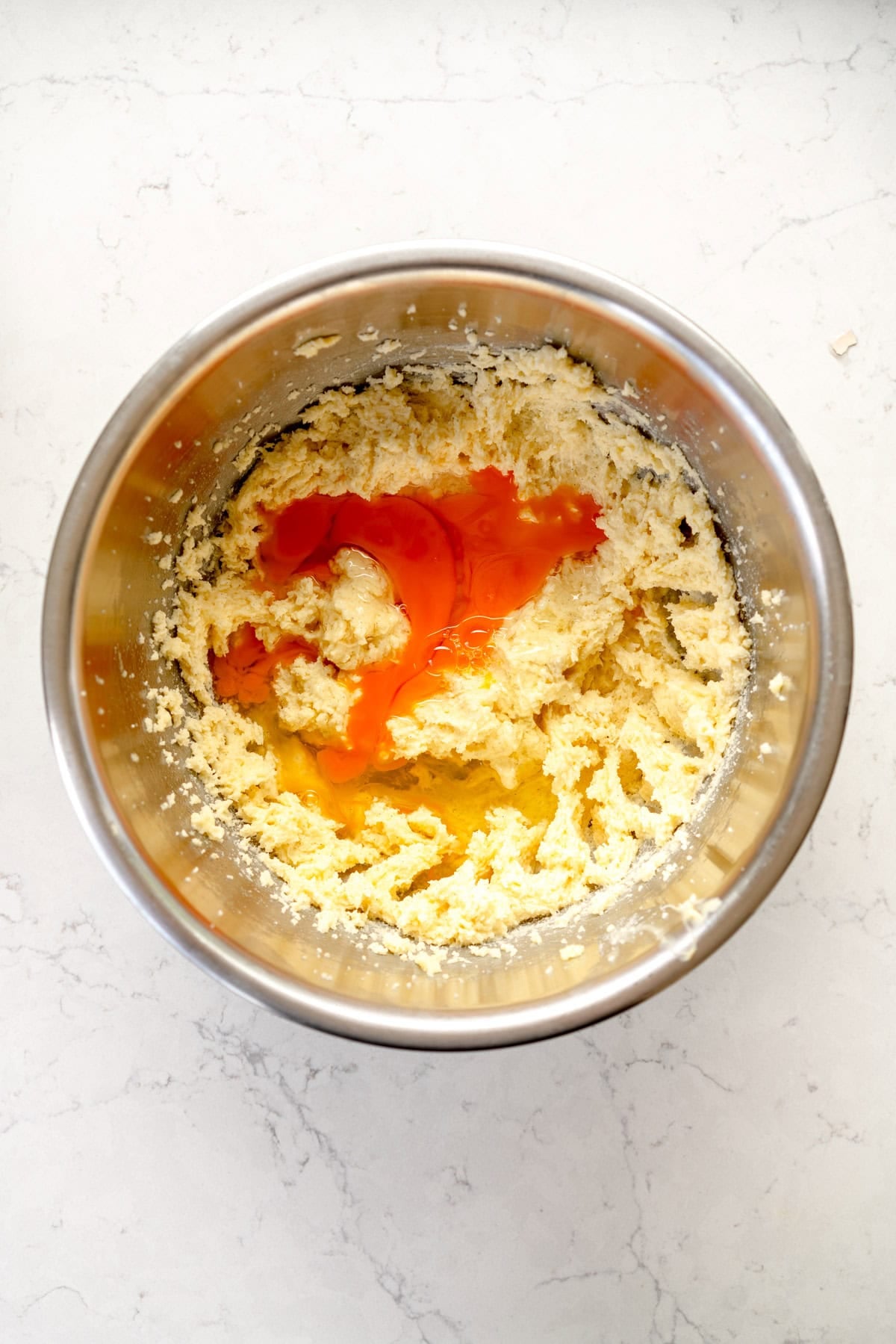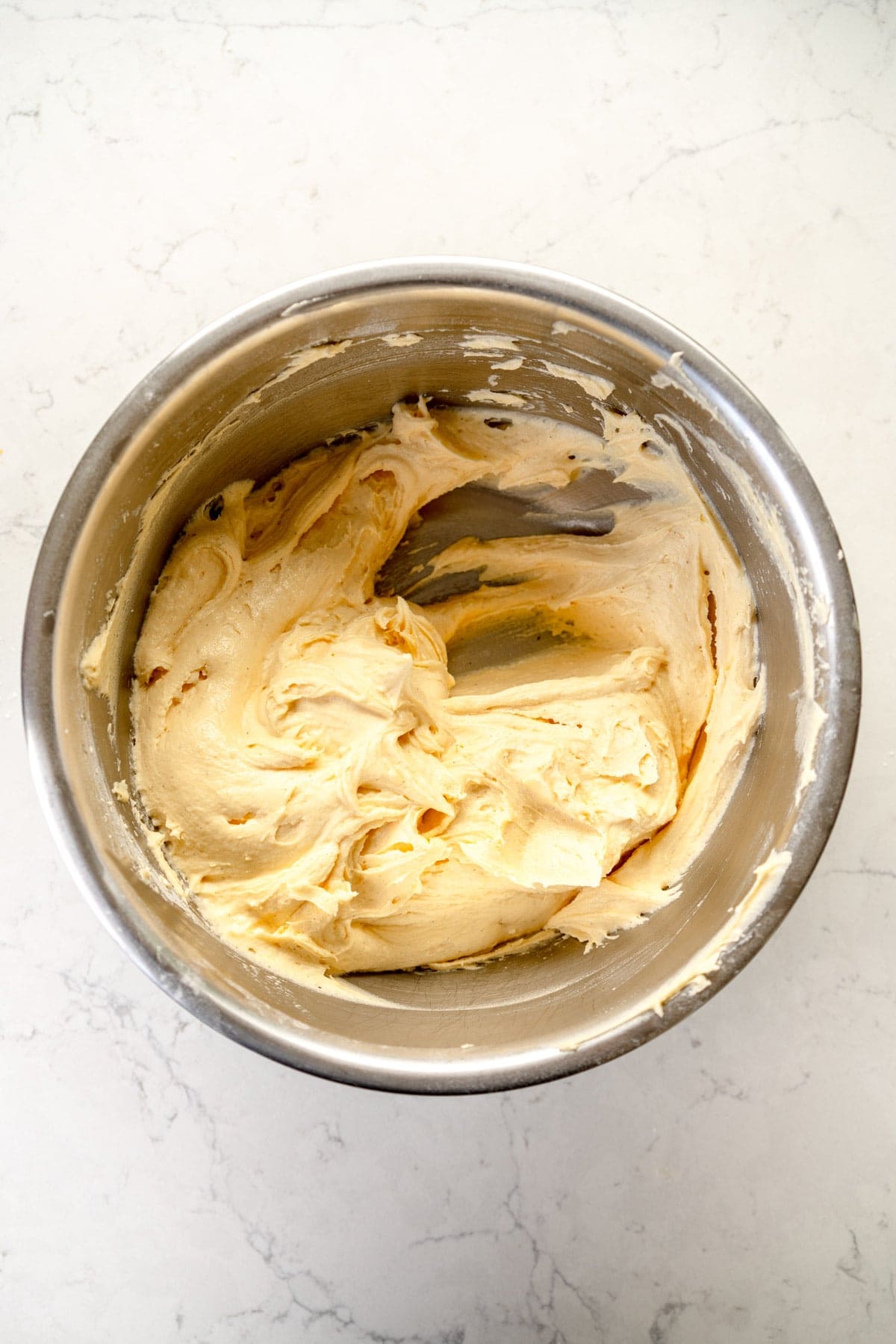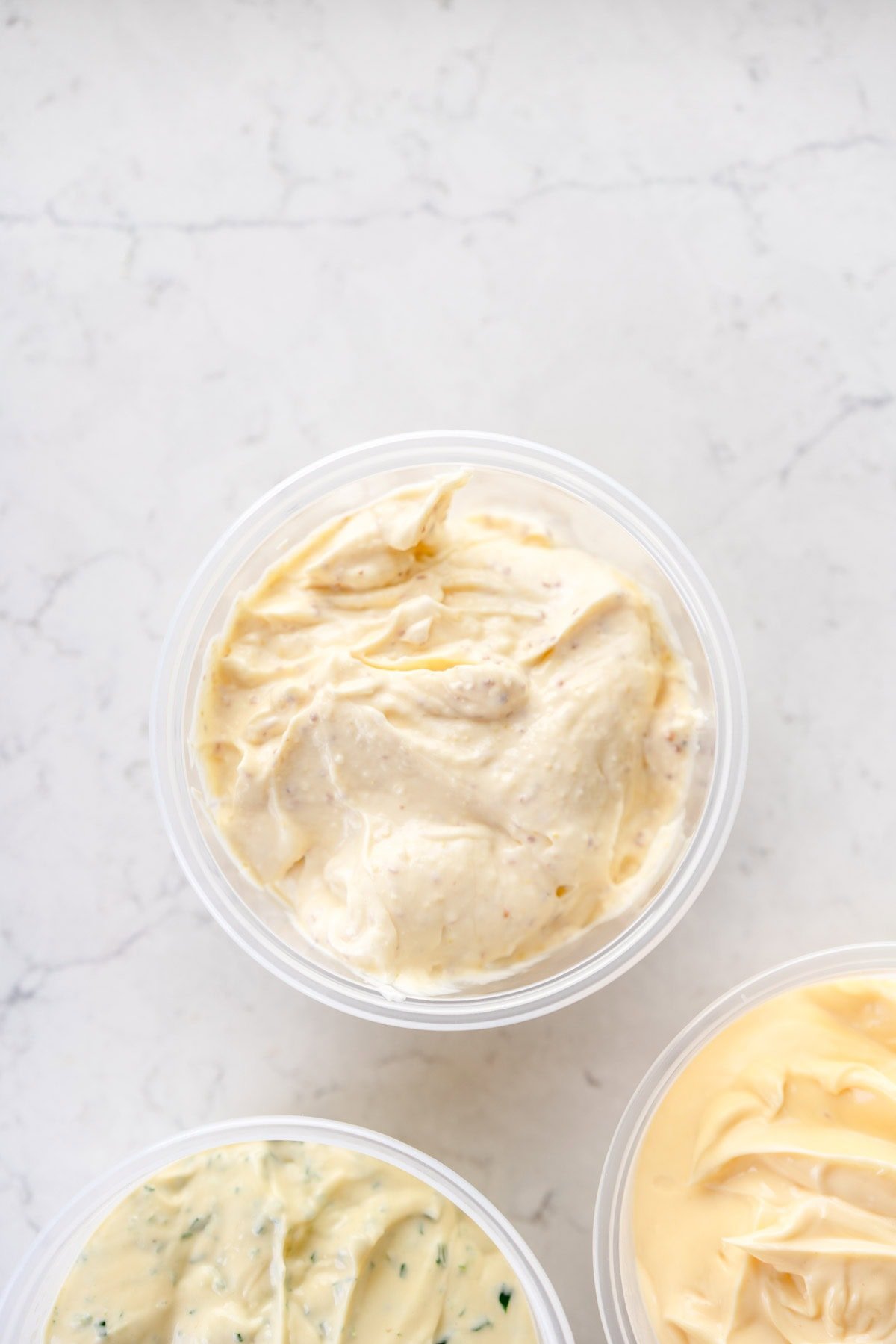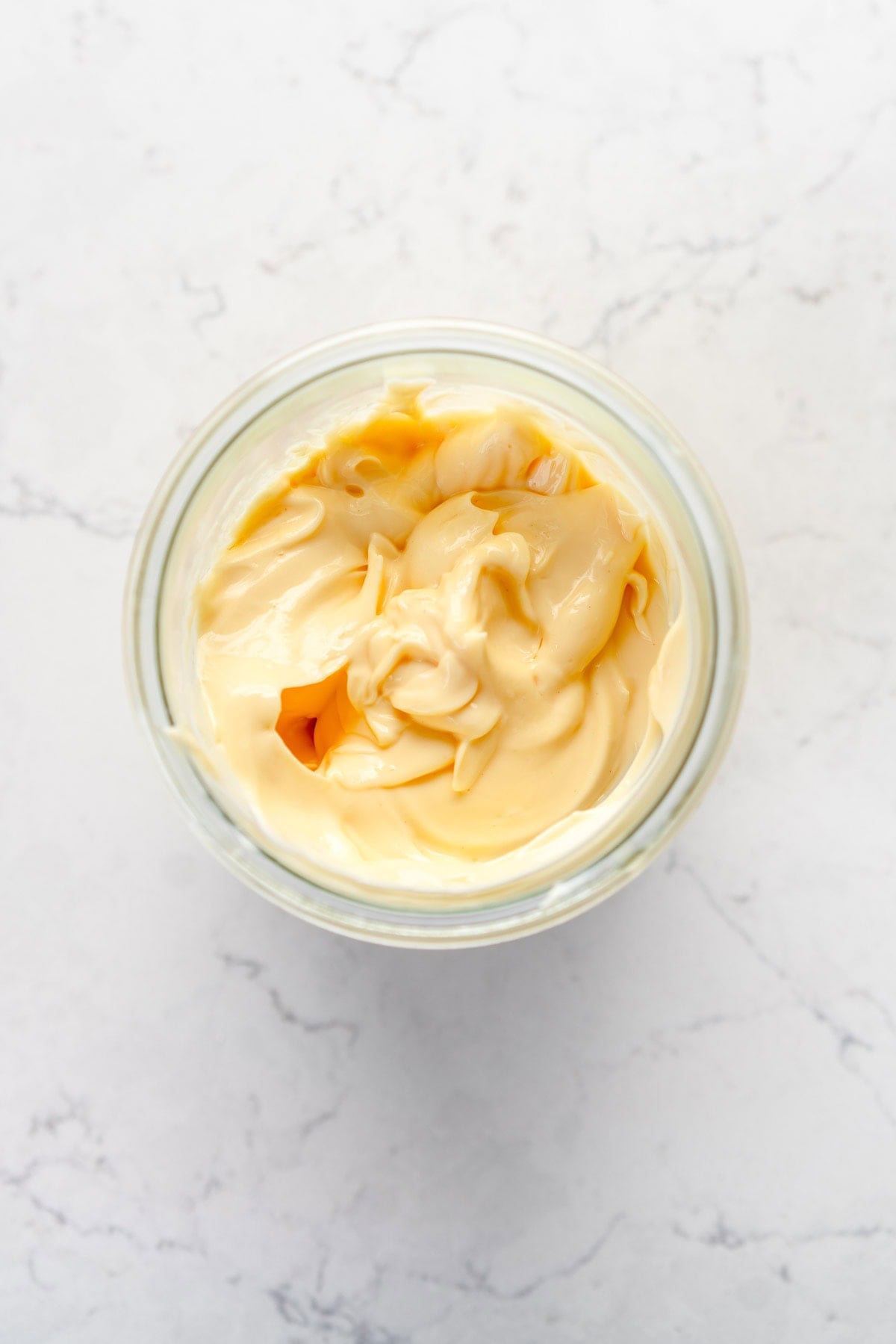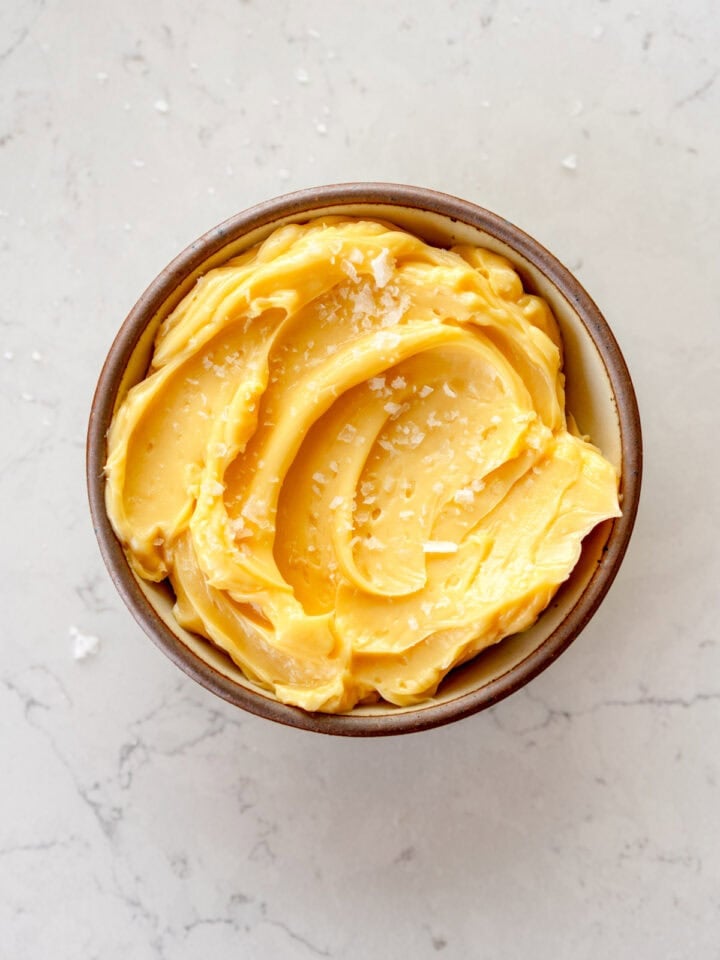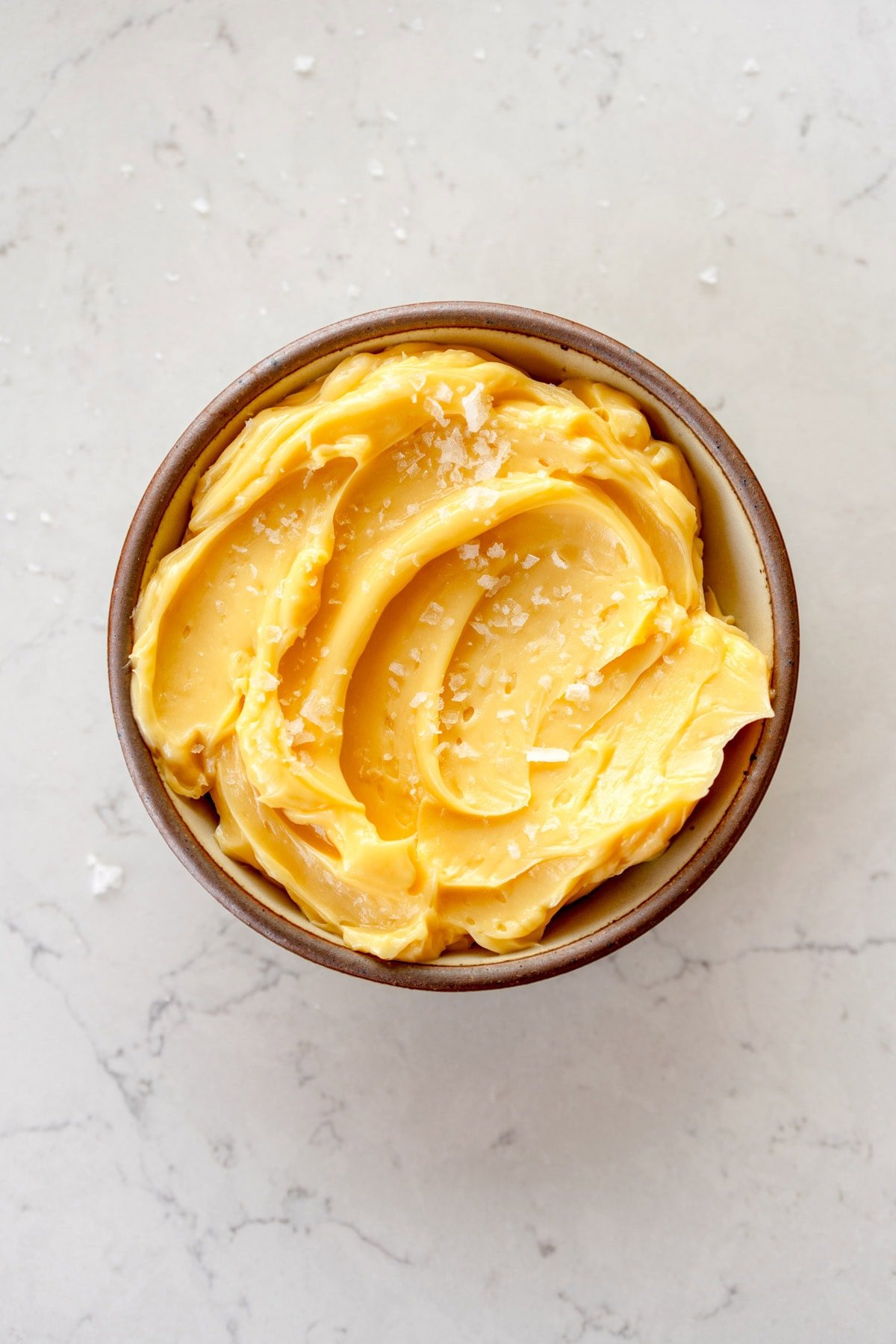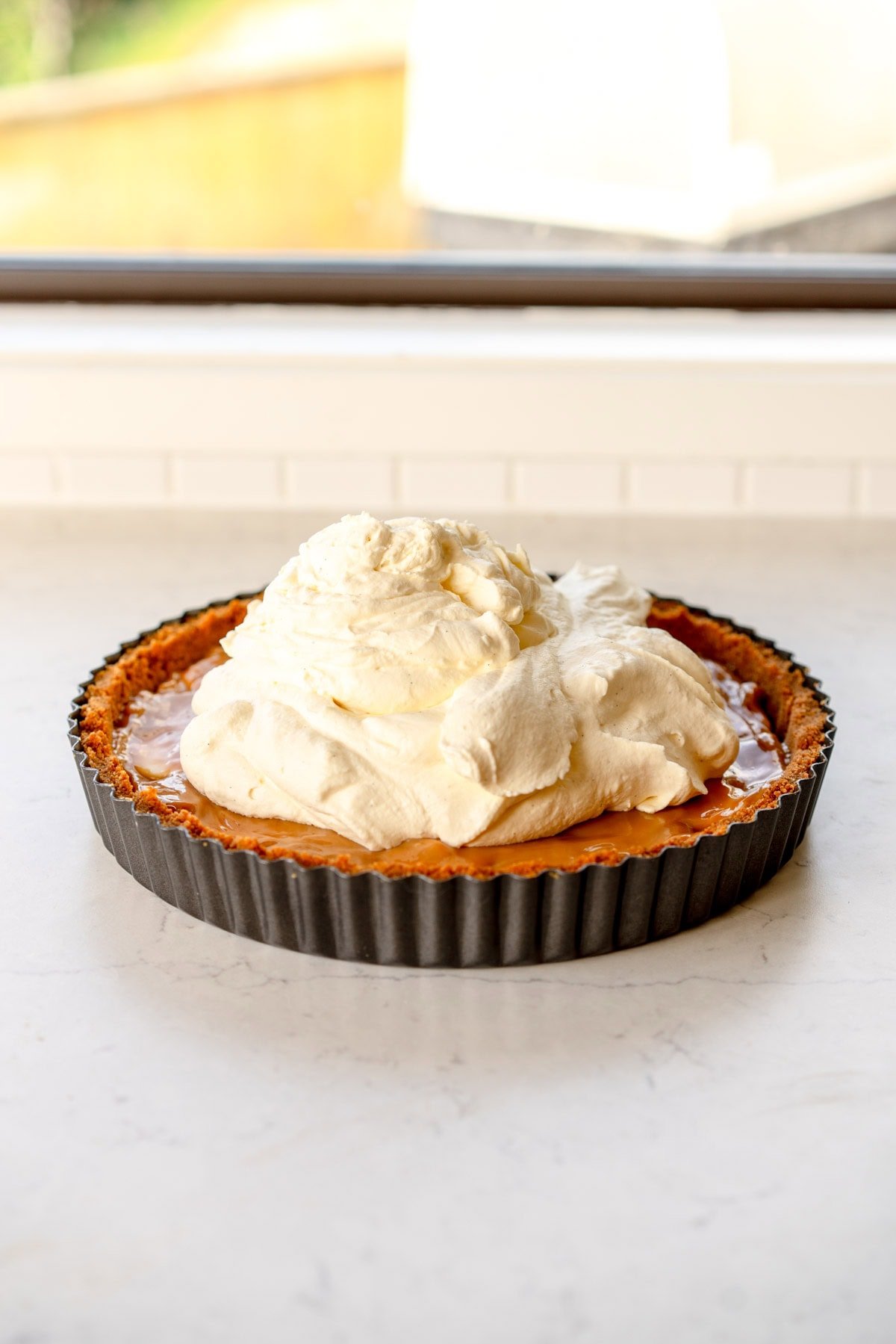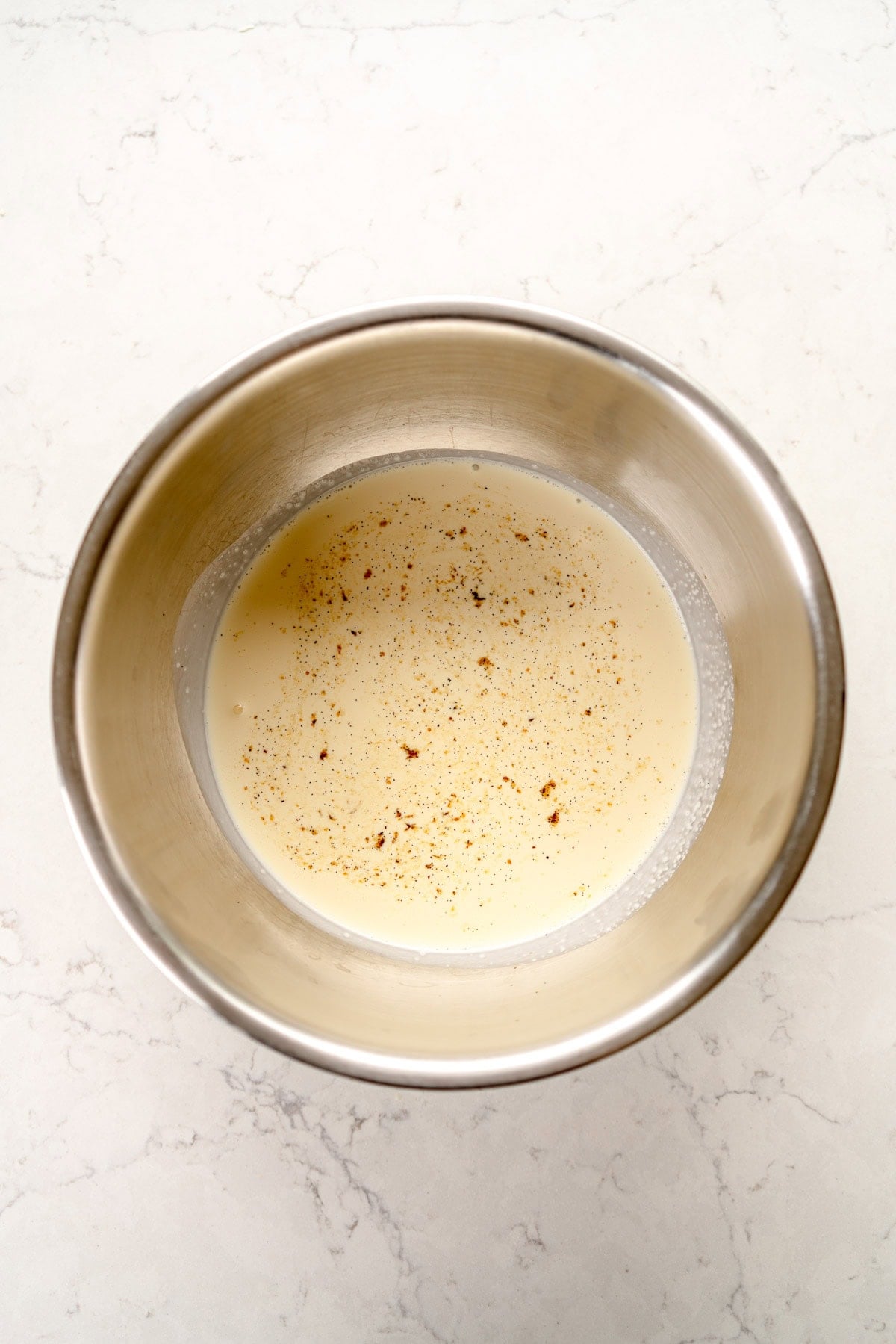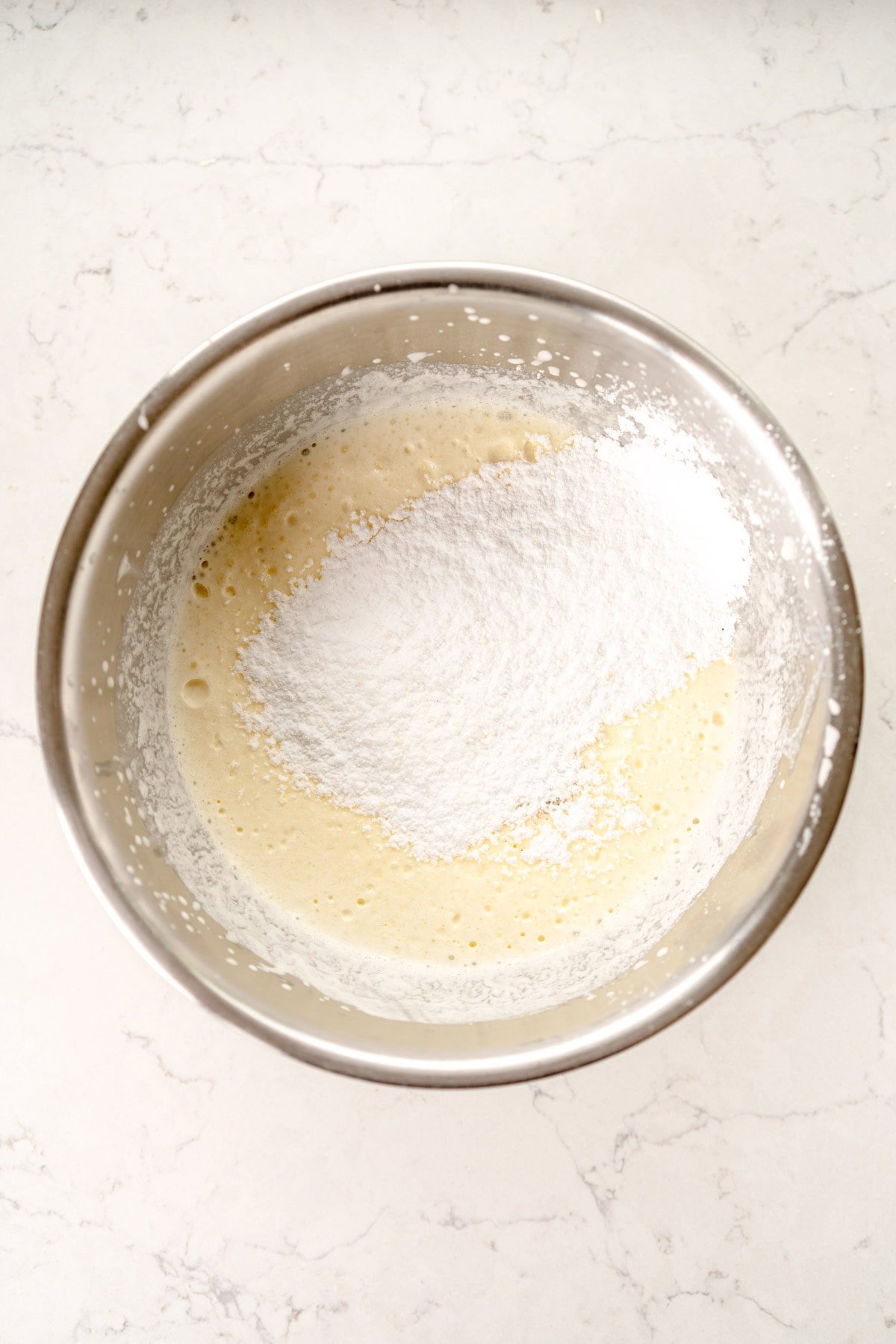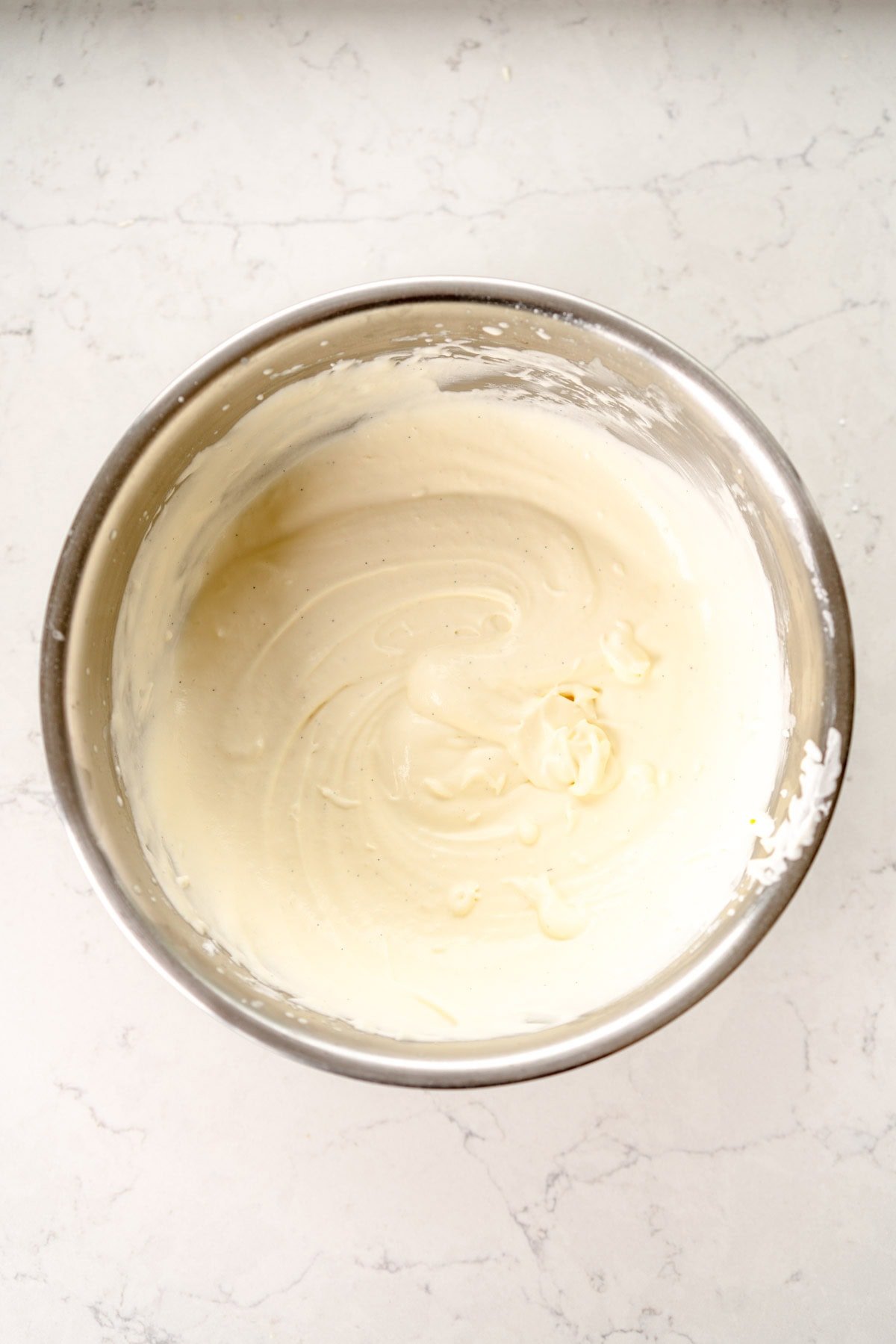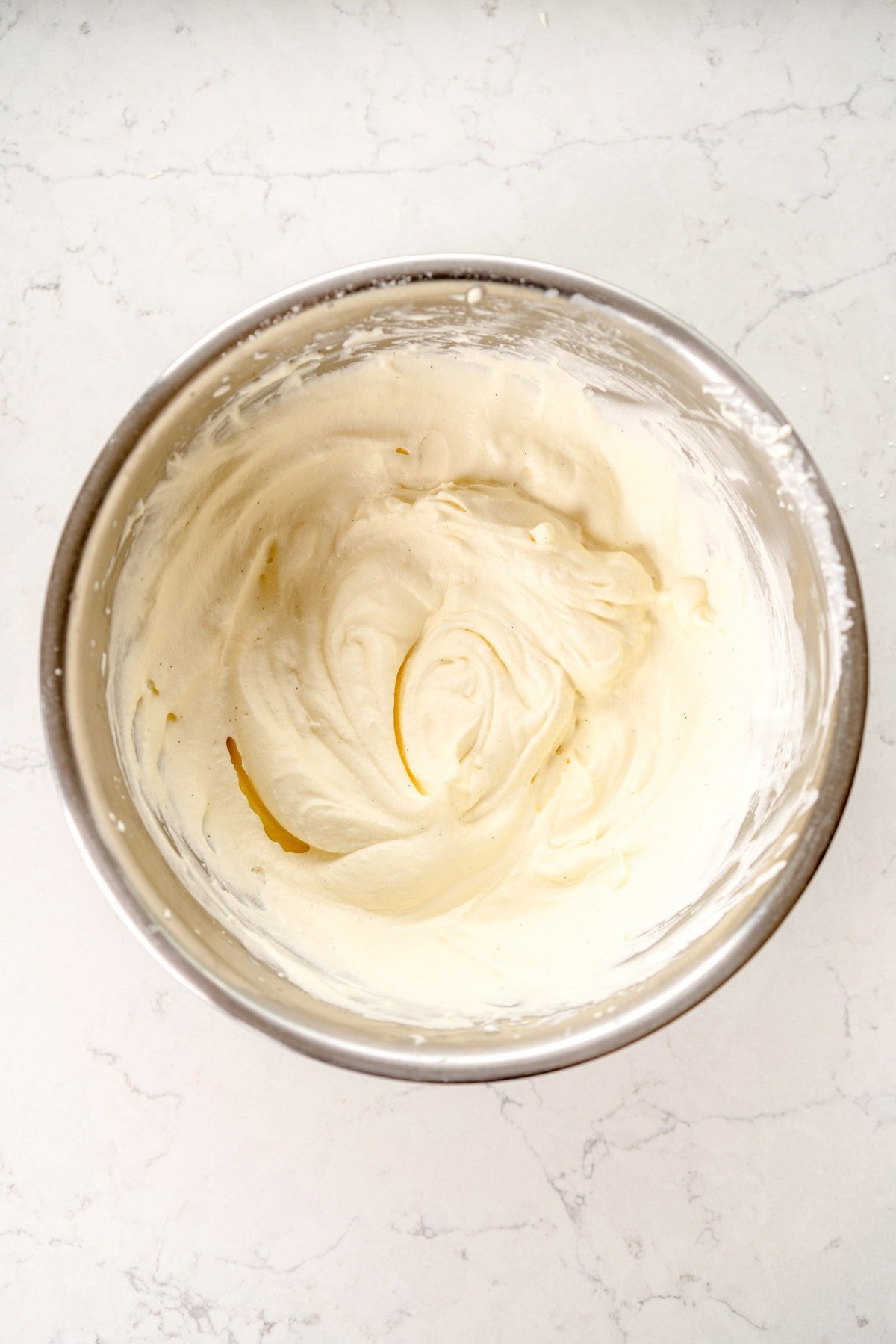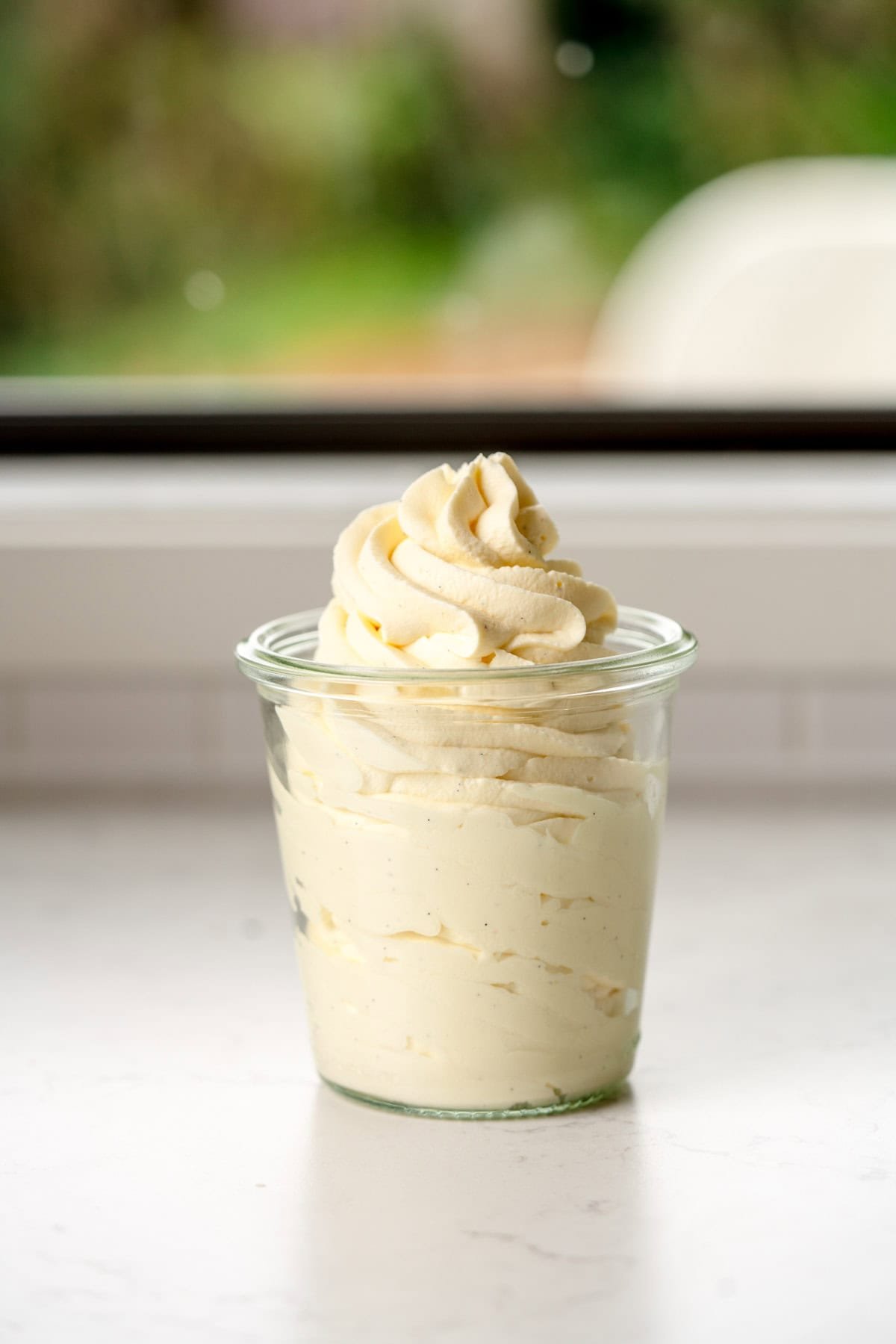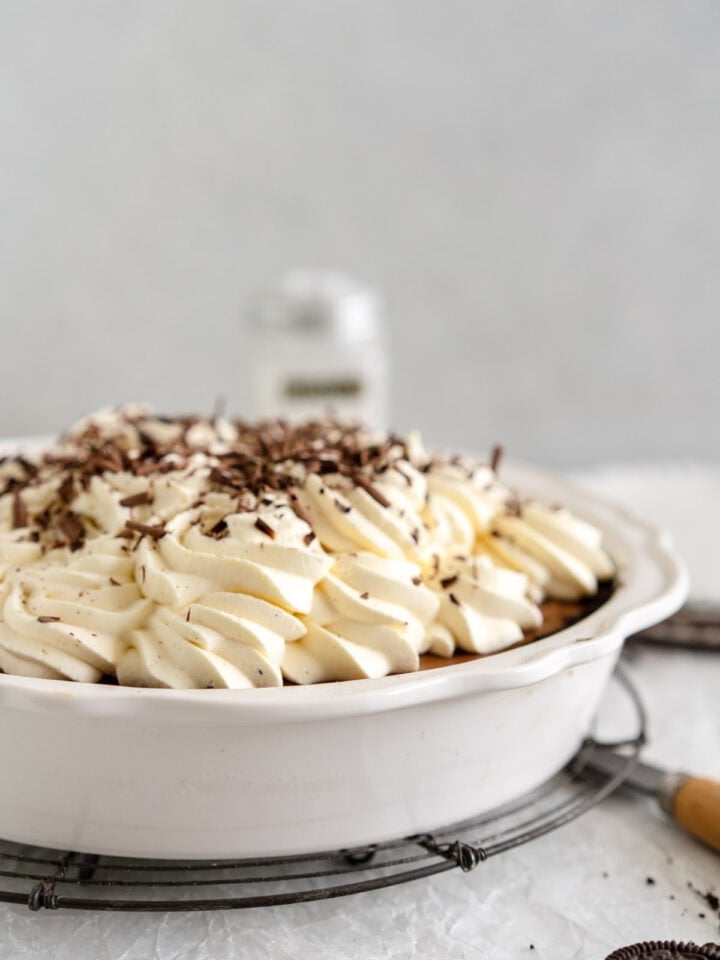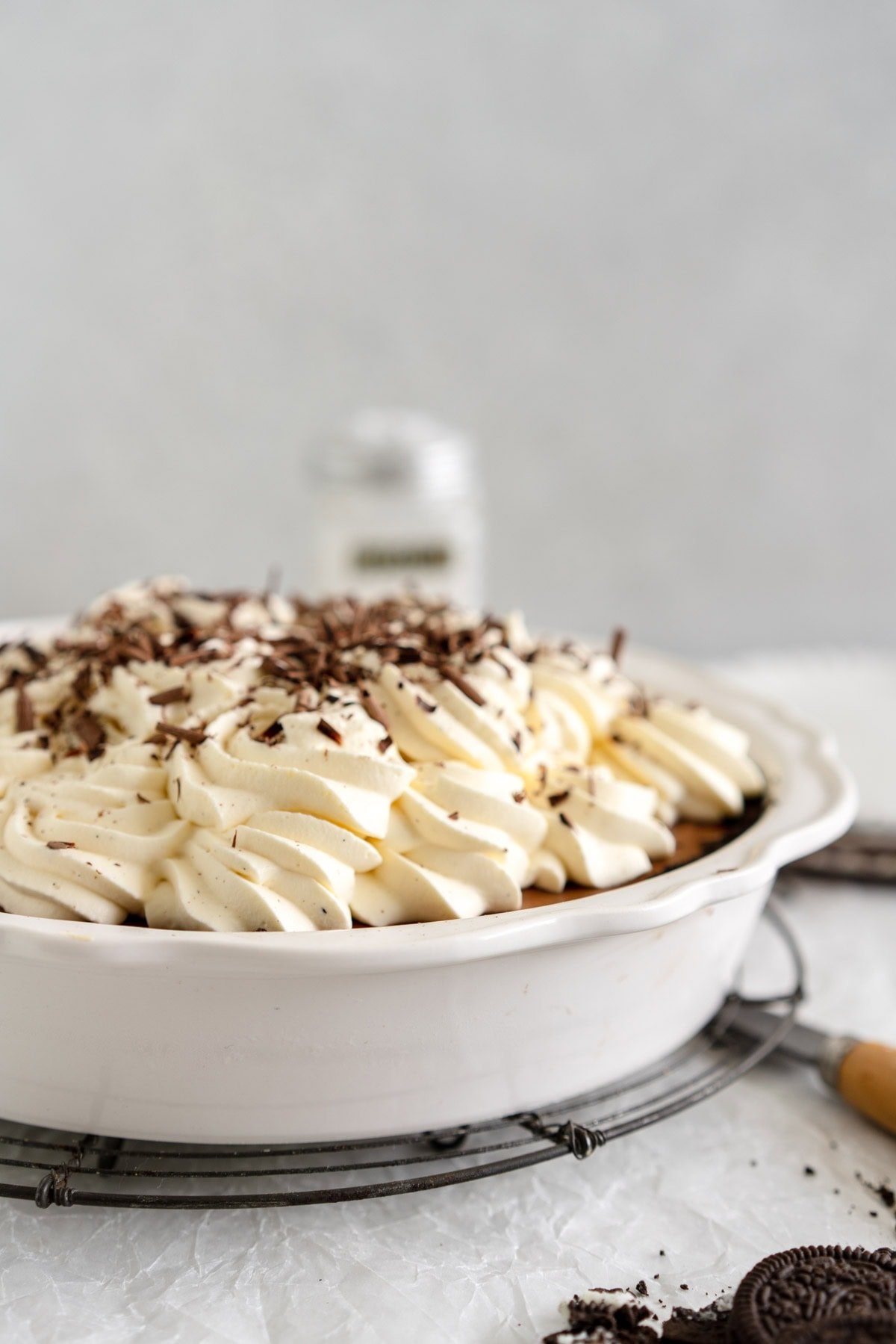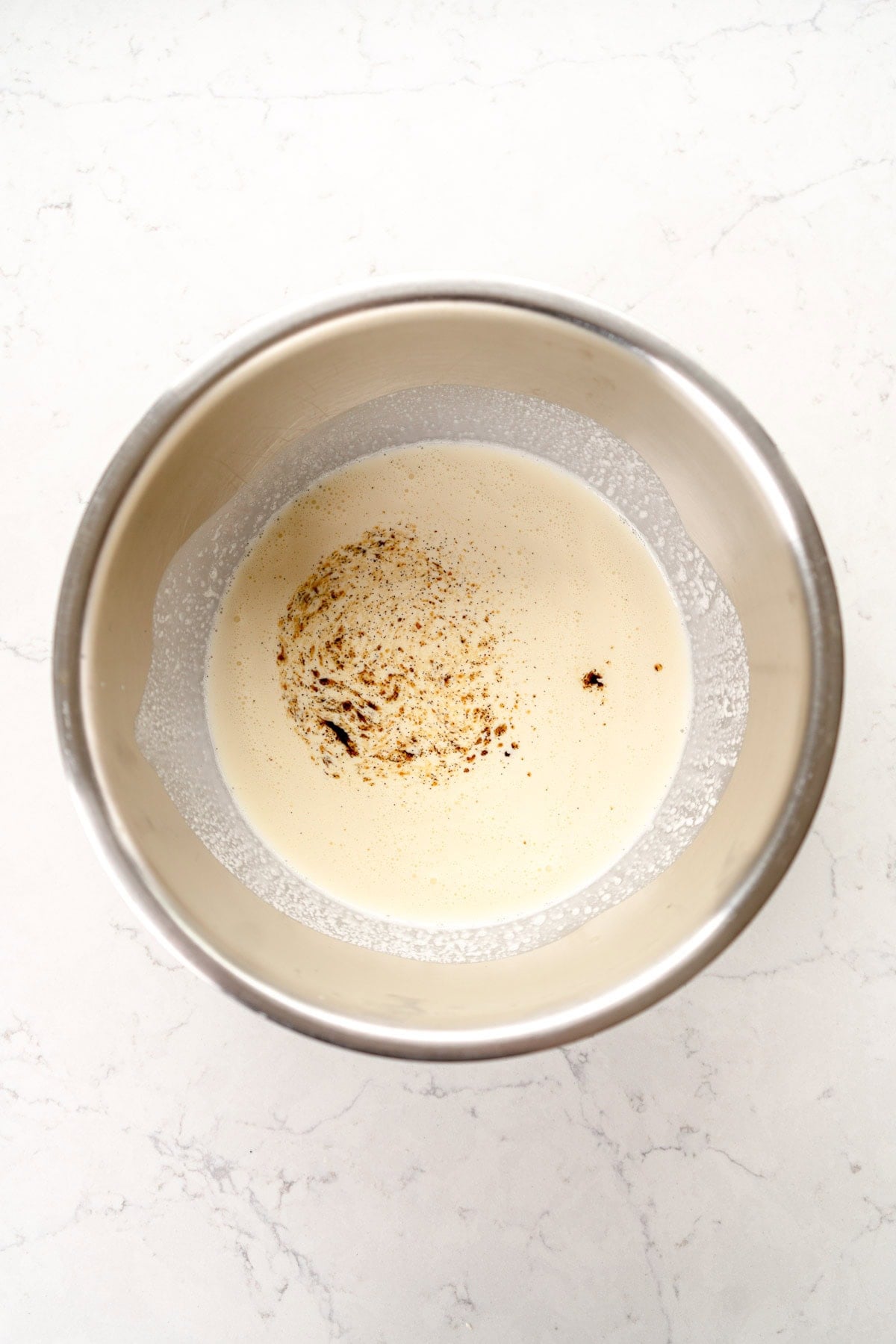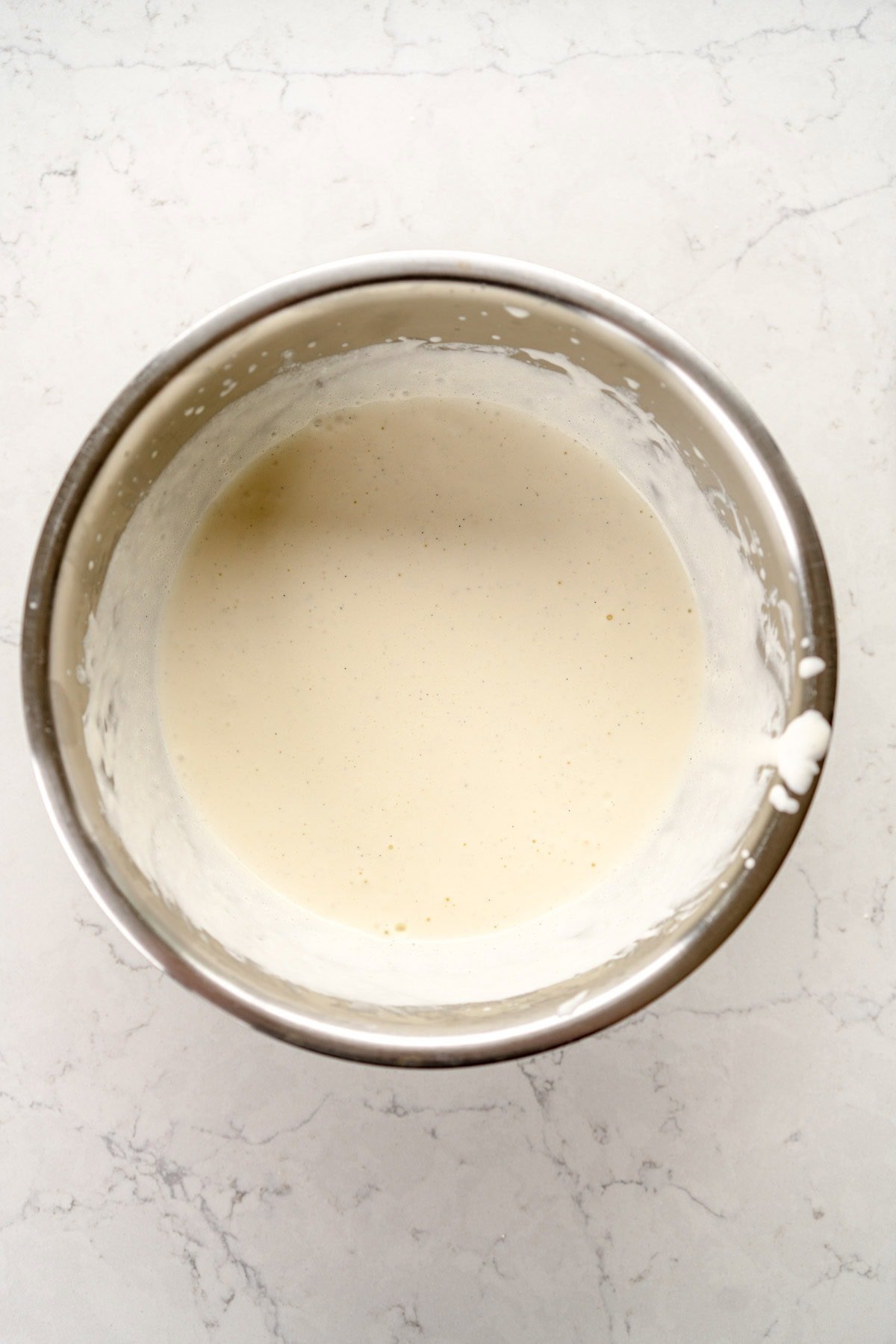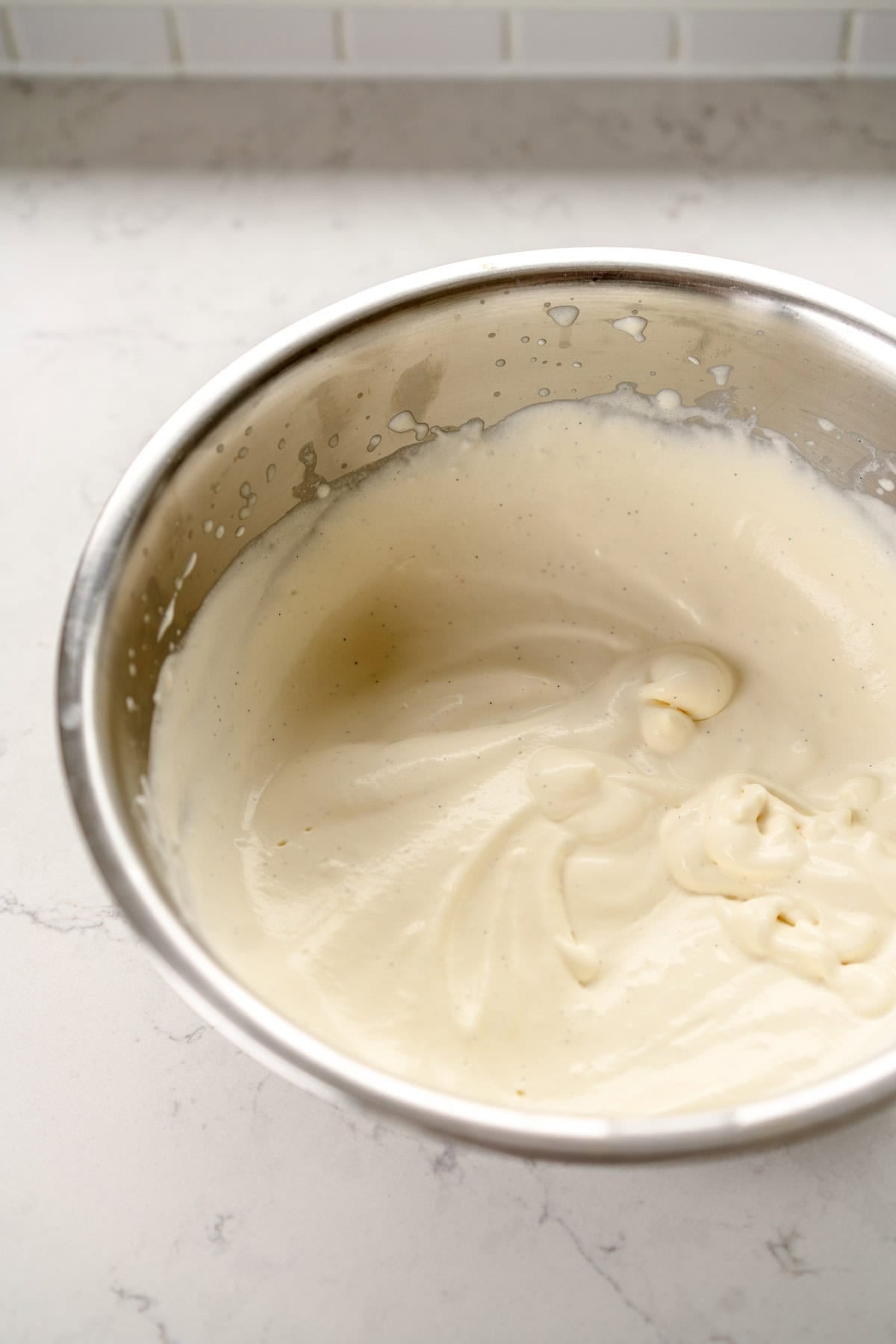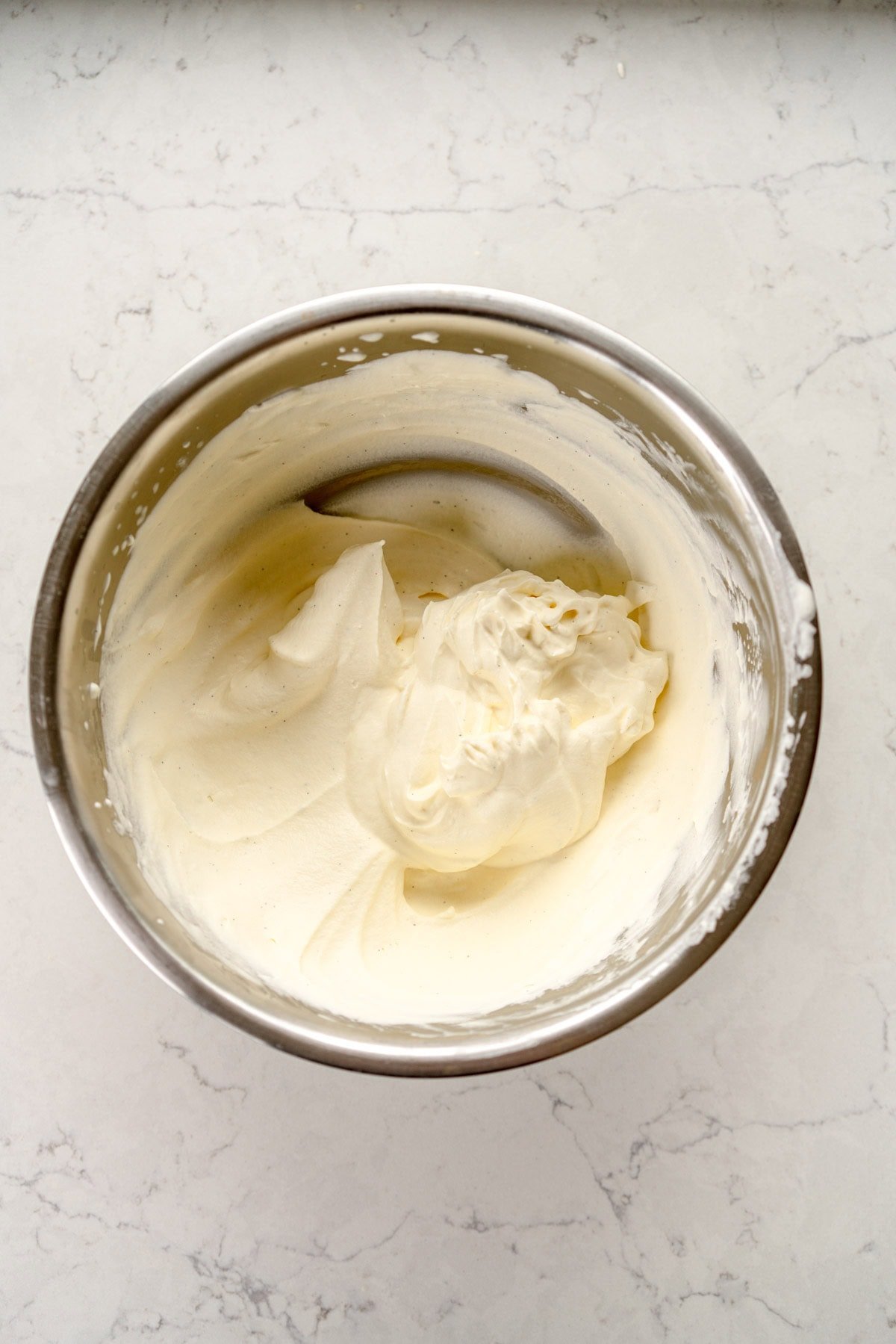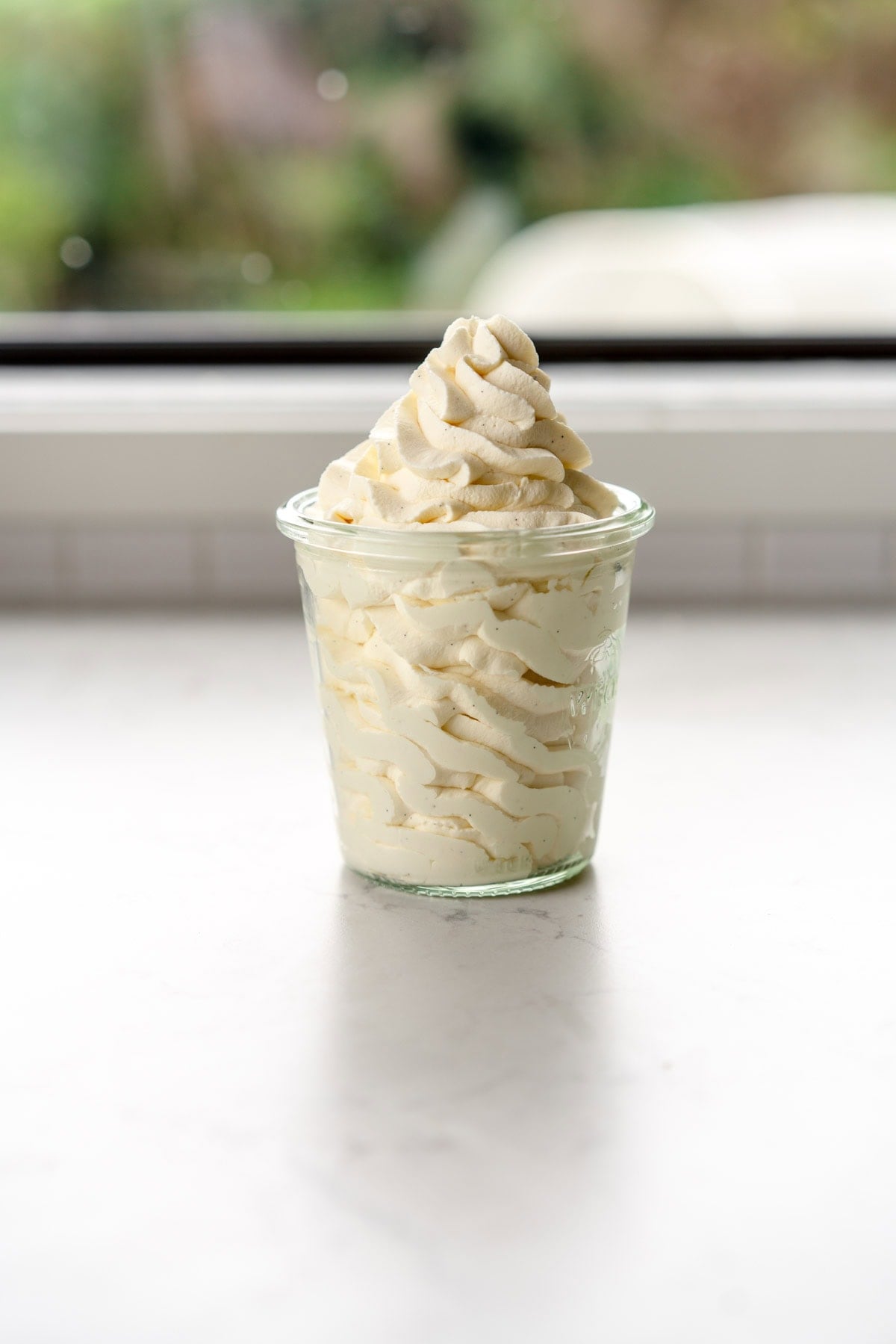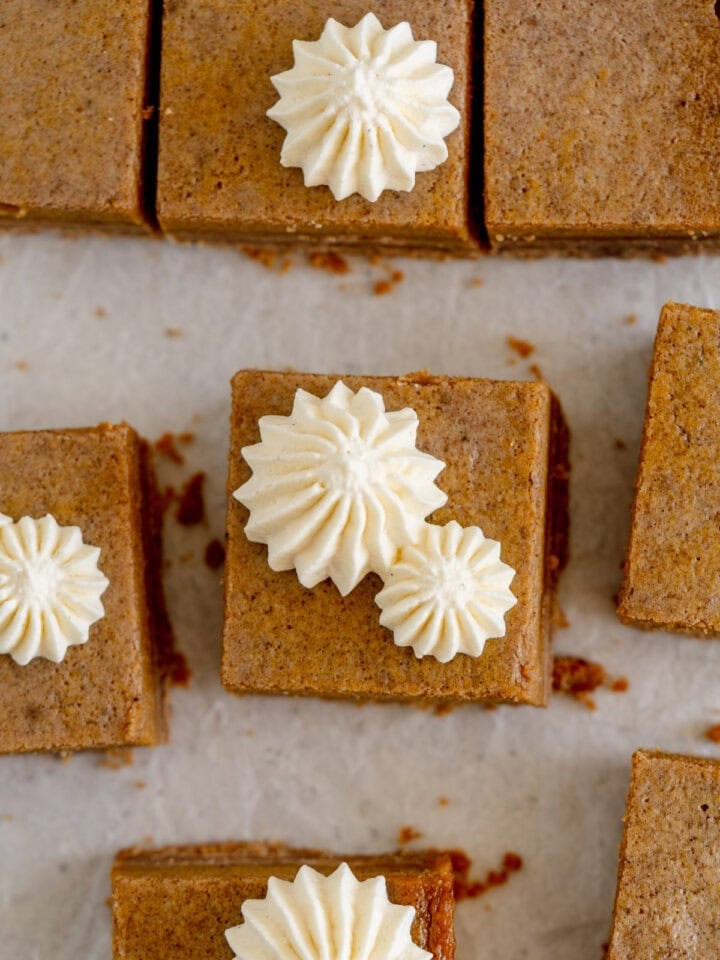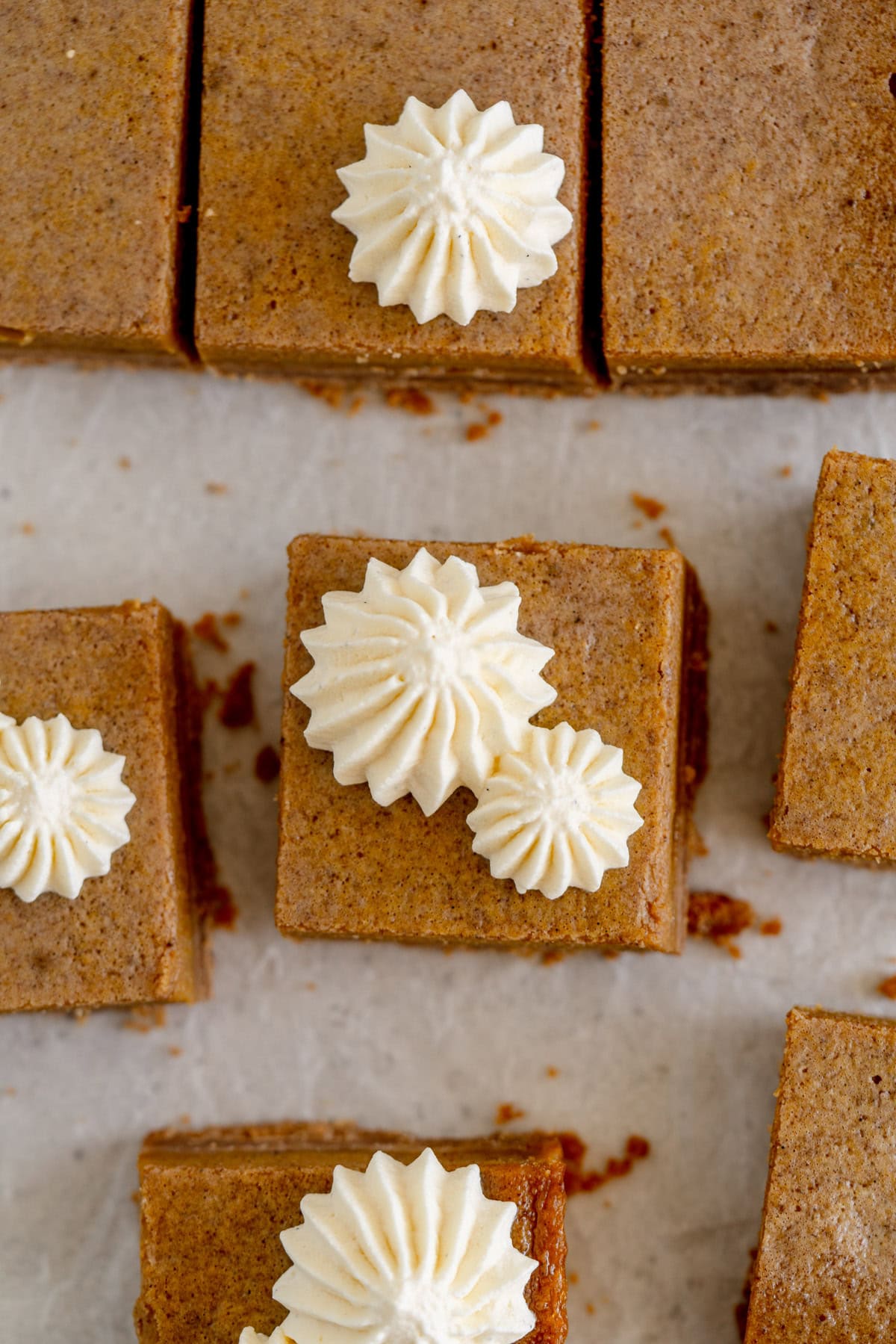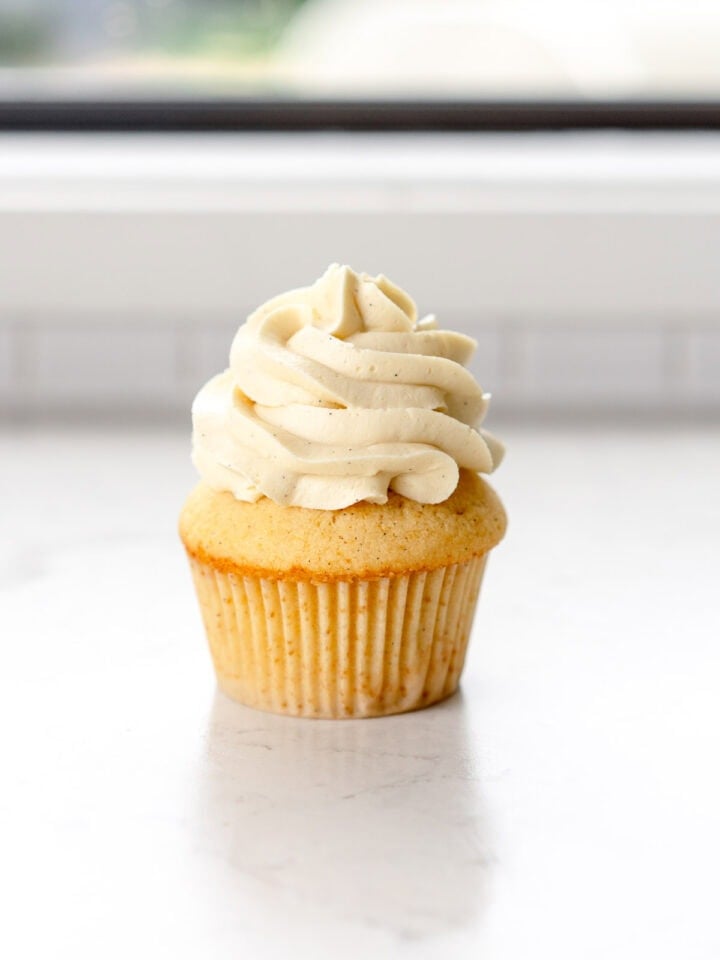
My Vanilla Buttercream Frosting is unlike anything you've ever had before! While it uses the typical ingredients for a classic Vanilla Frosting, the powdered sugar is dissolved in milk before adding to the butter, giving a super smooth and fluffy buttercream frosting that isn't gritty like a typical American Buttercream Frosting. Give it a try - you'll be as amazed as I was!
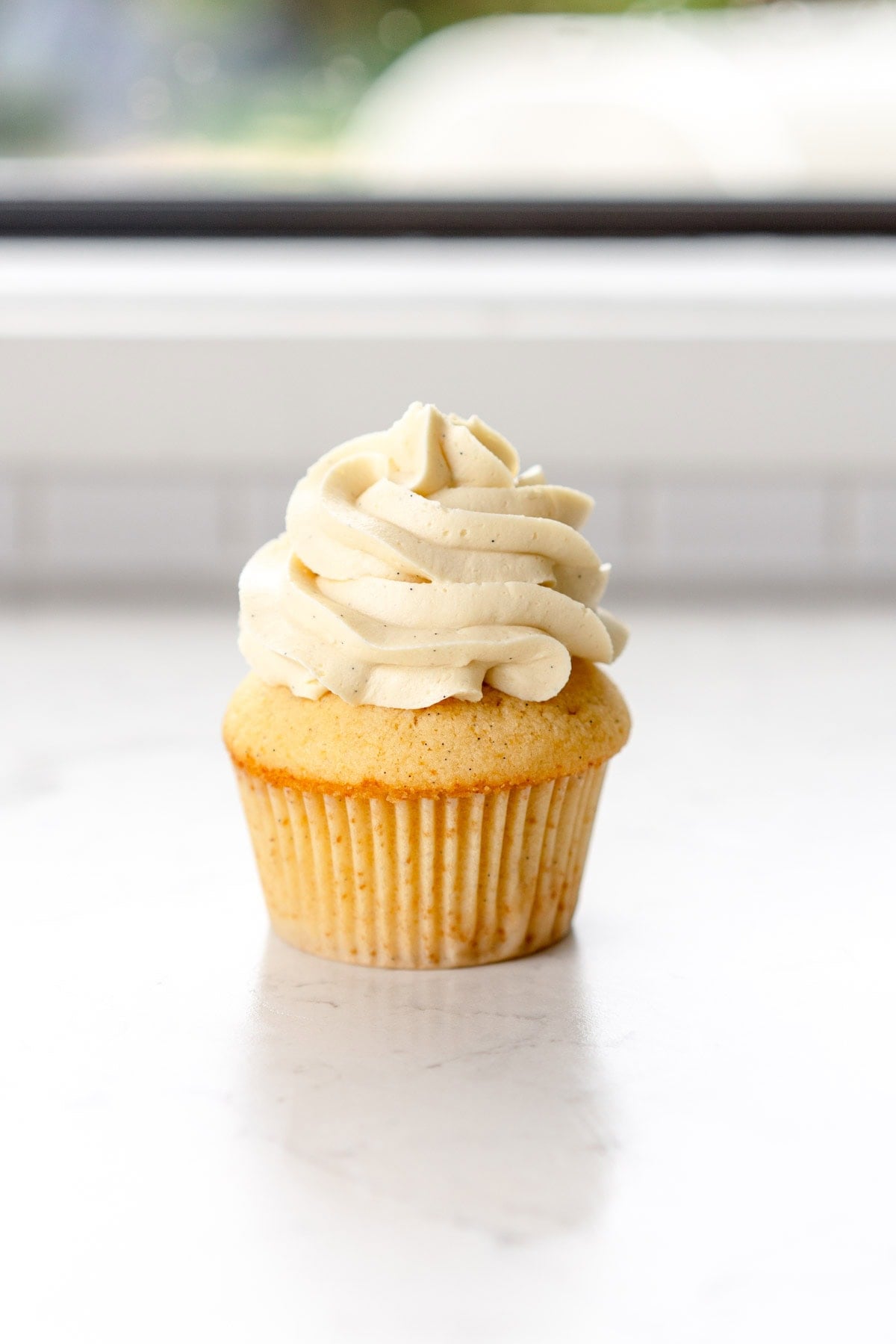
Hi hi! I am just popping in to share my Vanilla Buttercream Frosting recipe with you!
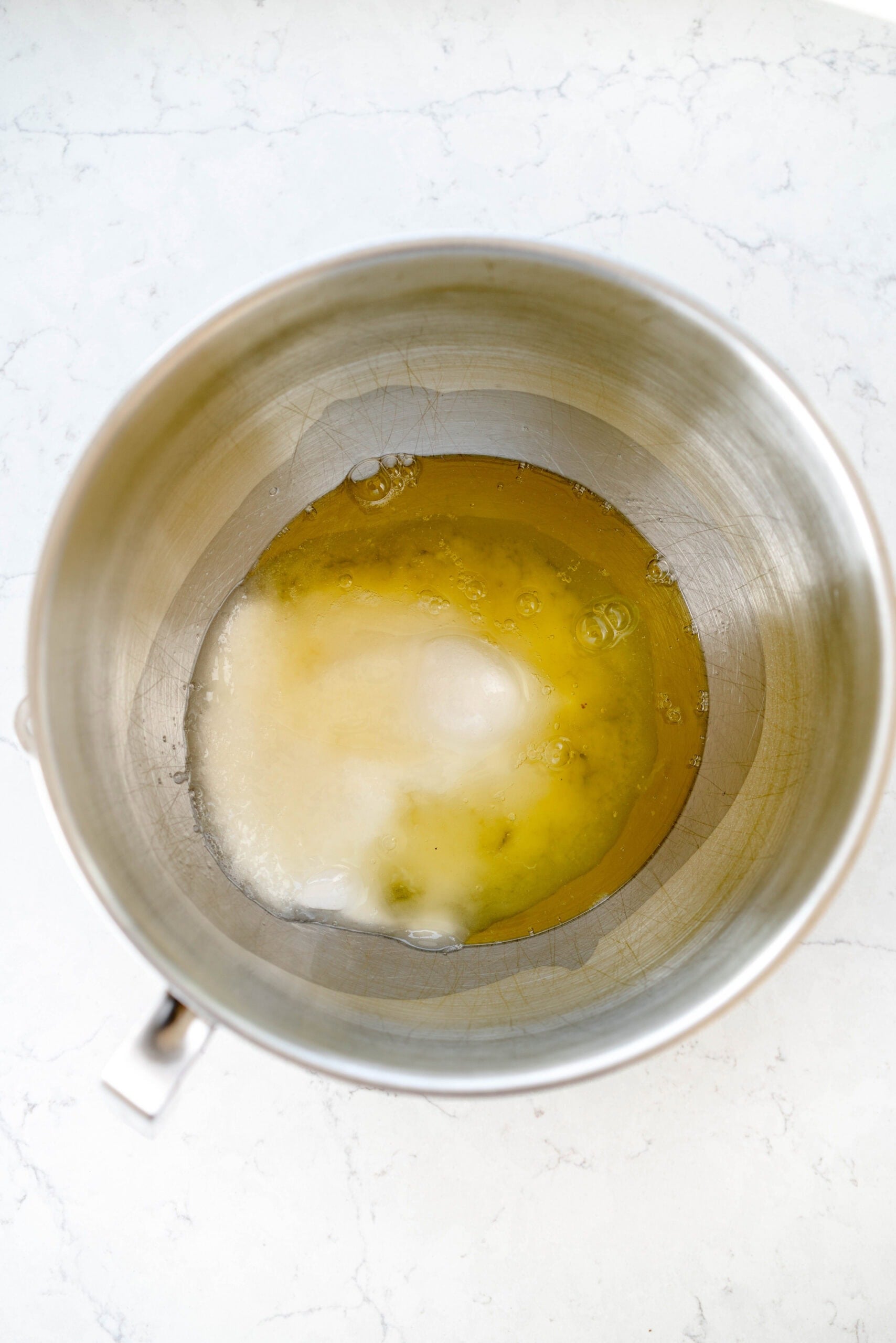
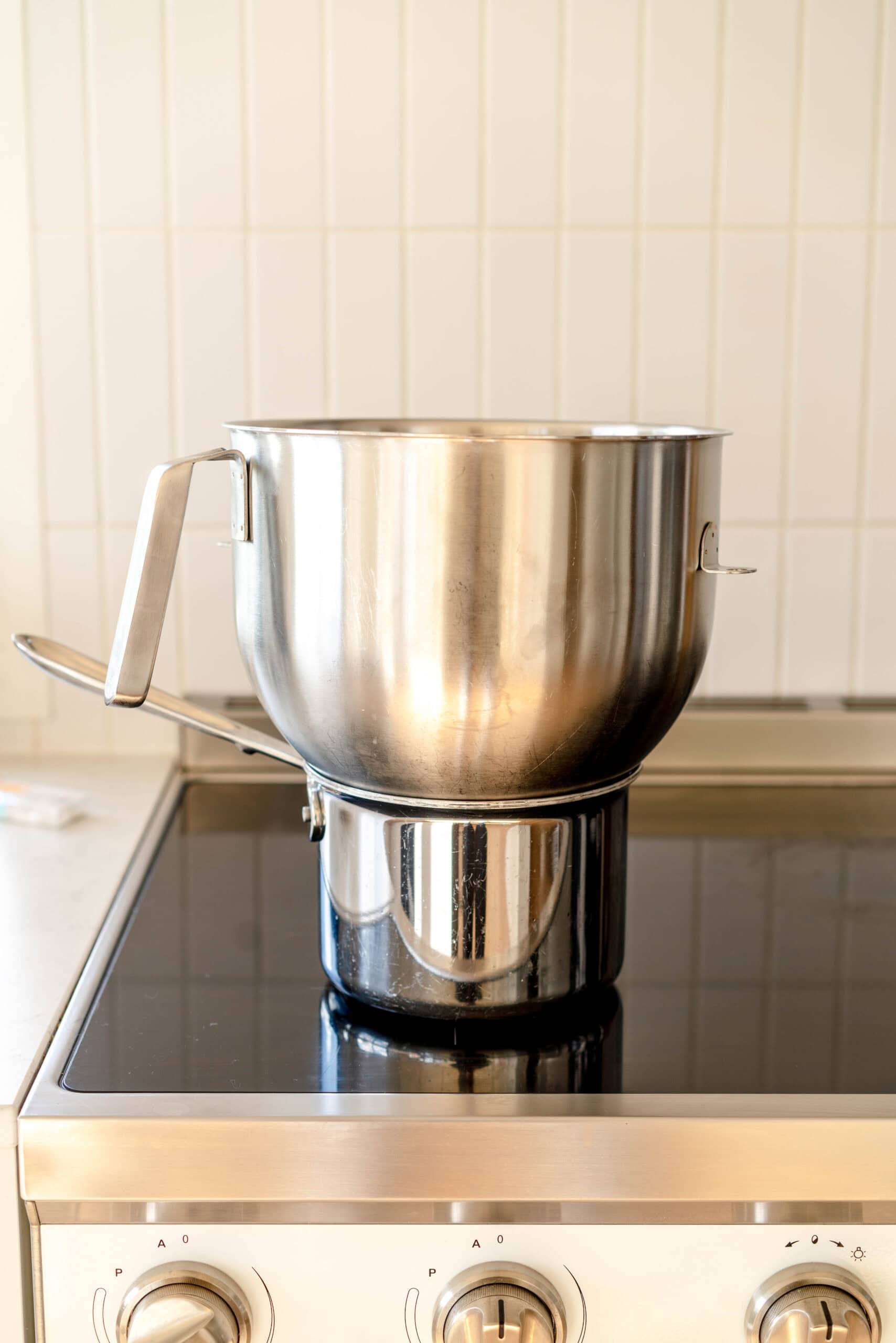
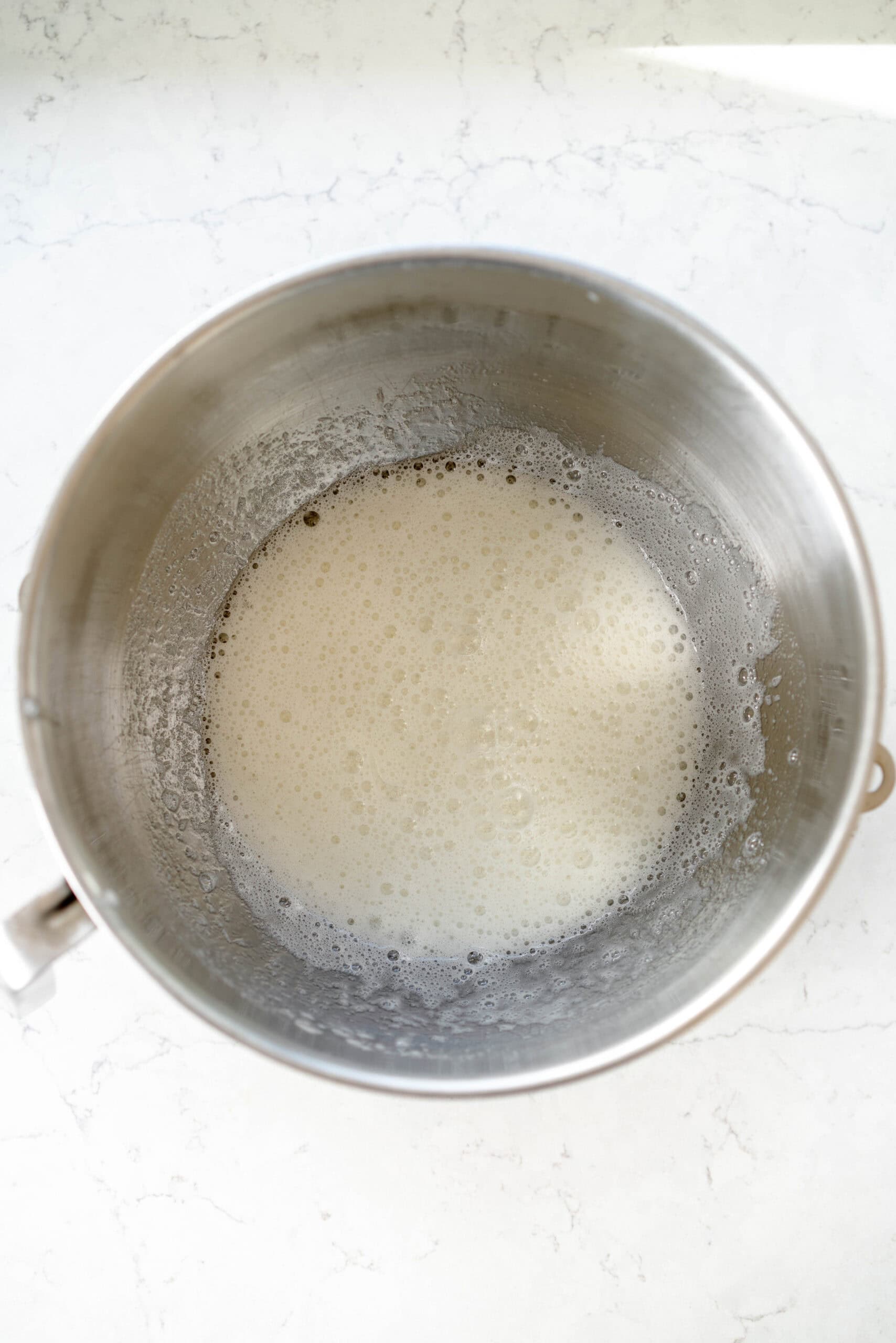
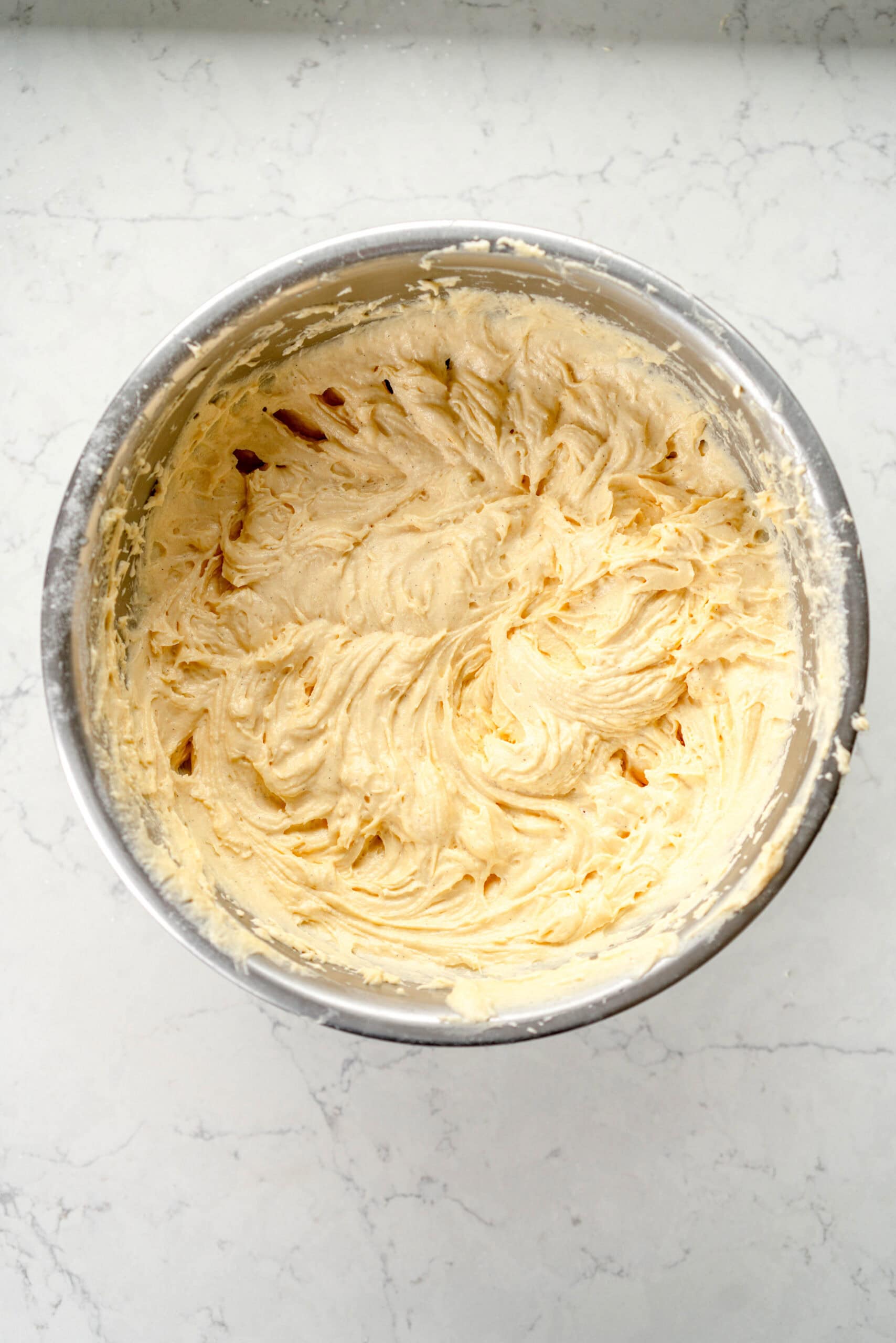
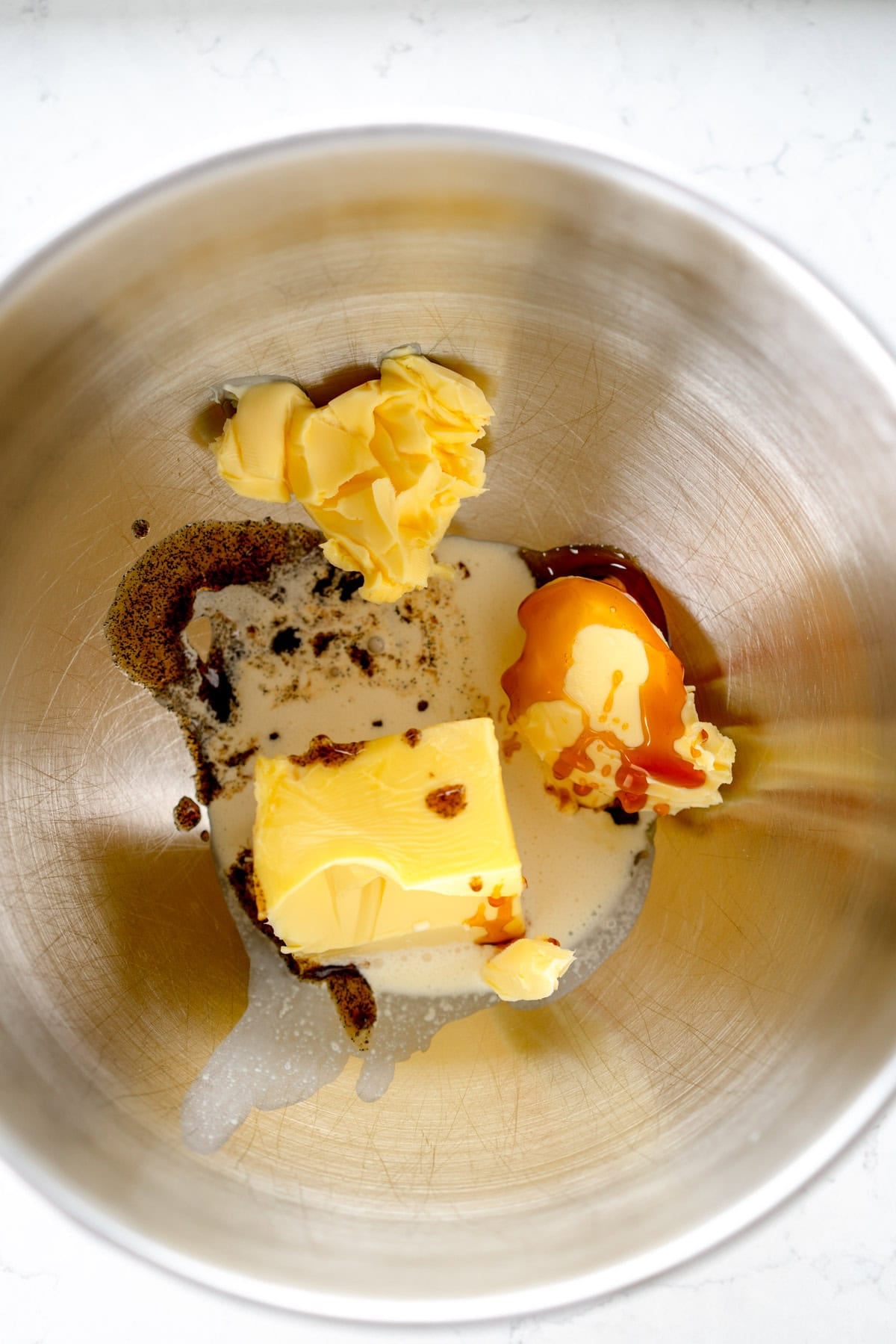
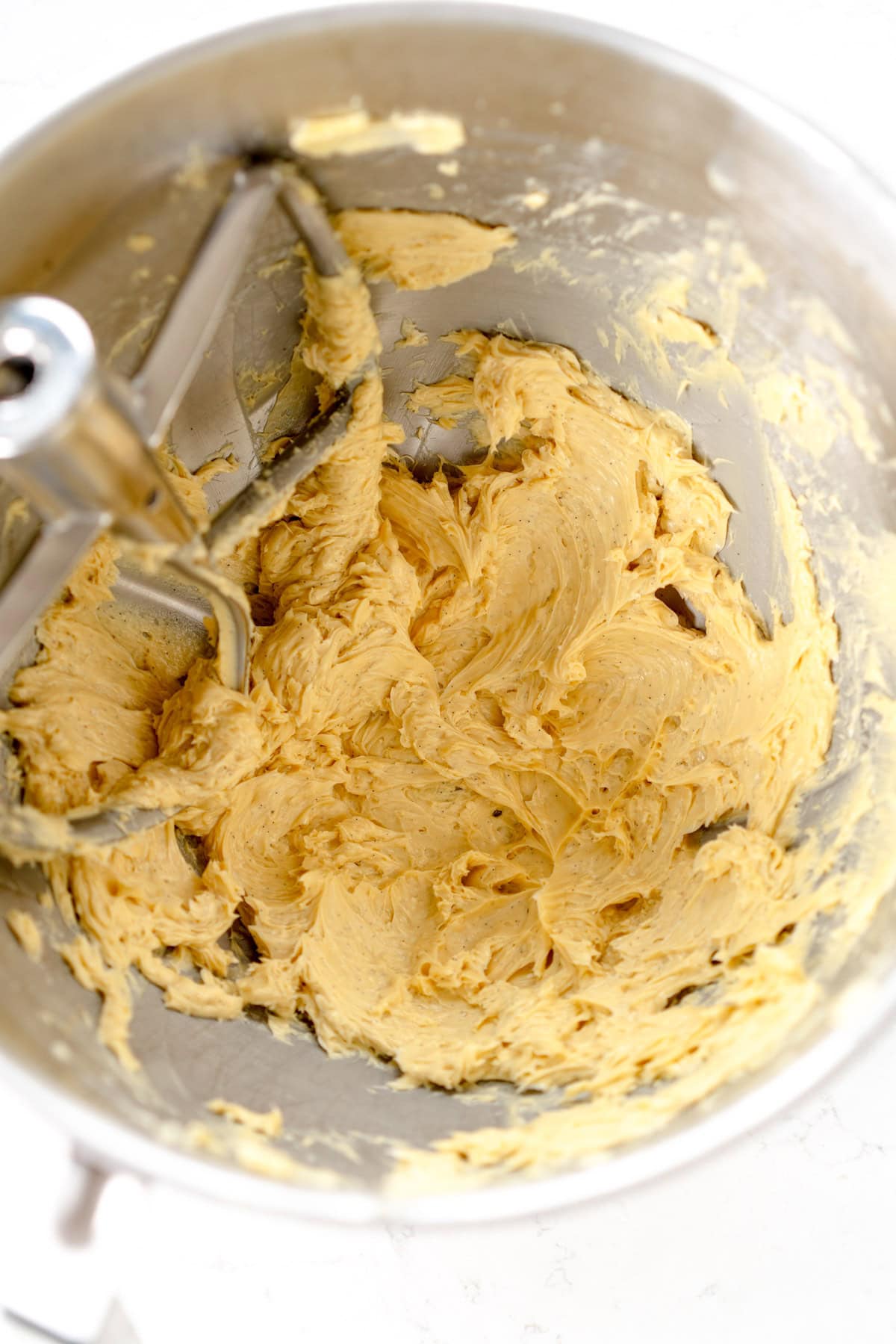
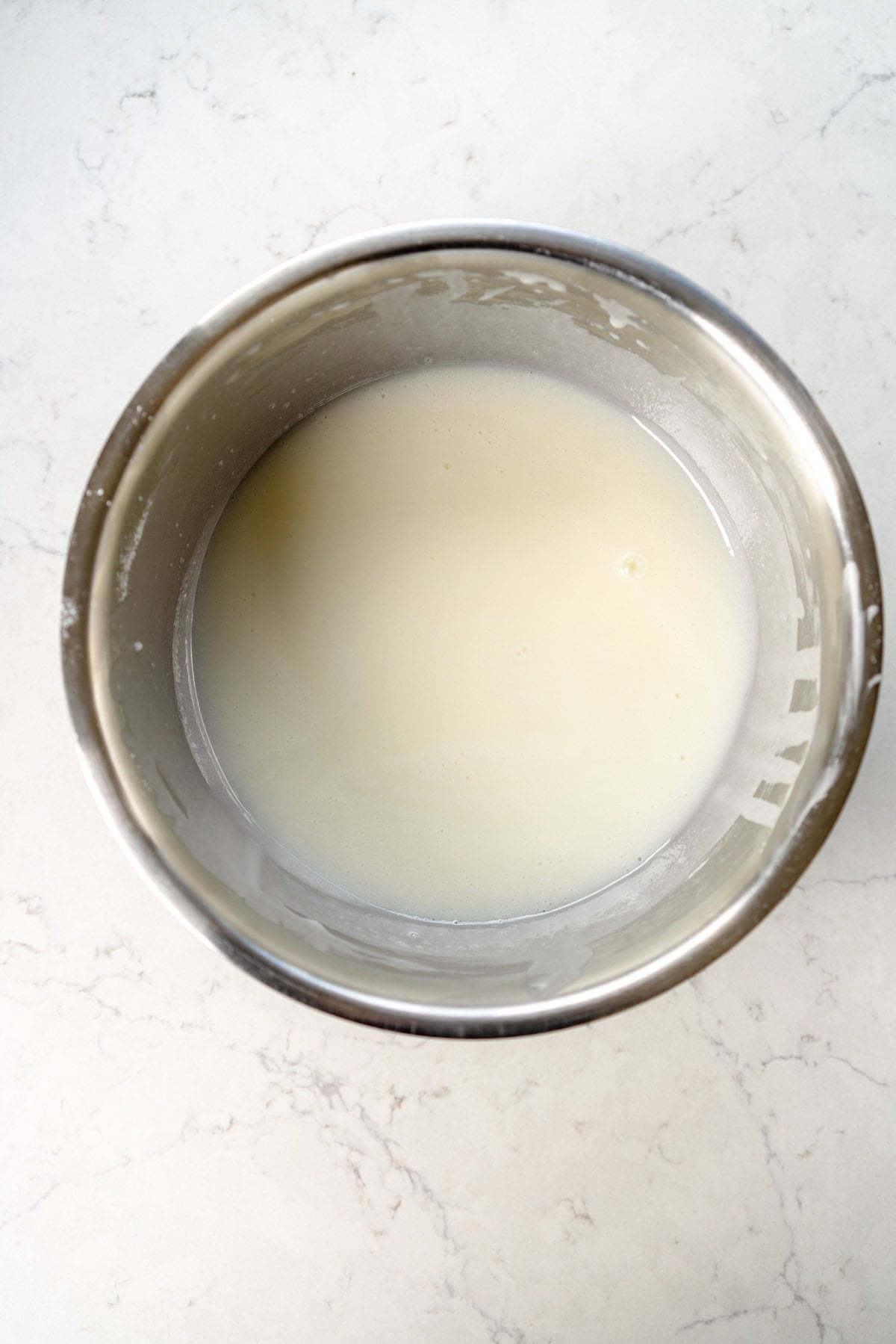
This is the perfect, nostalgic tasting vanilla buttercream that is perfect for stacking layer cakes, swirling on sheet cakes, or piping onto cupcakes. It uses all the classic vanilla buttercream ingredients, but I use one little trick that gives you the most amazing smooth buttercream frosting: Dissolving the powdered sugar in the milk before you start. Unlike other recipes, this buttercream frosting is not gritty. I also add a little bit of Golden Syrup (or corn syrup or liquid glucose) to help with the texture of the frosting and to make it super easy to work with. Both these things combined give the most amazing frosting - you almost won't believe it is made with powdered sugar.
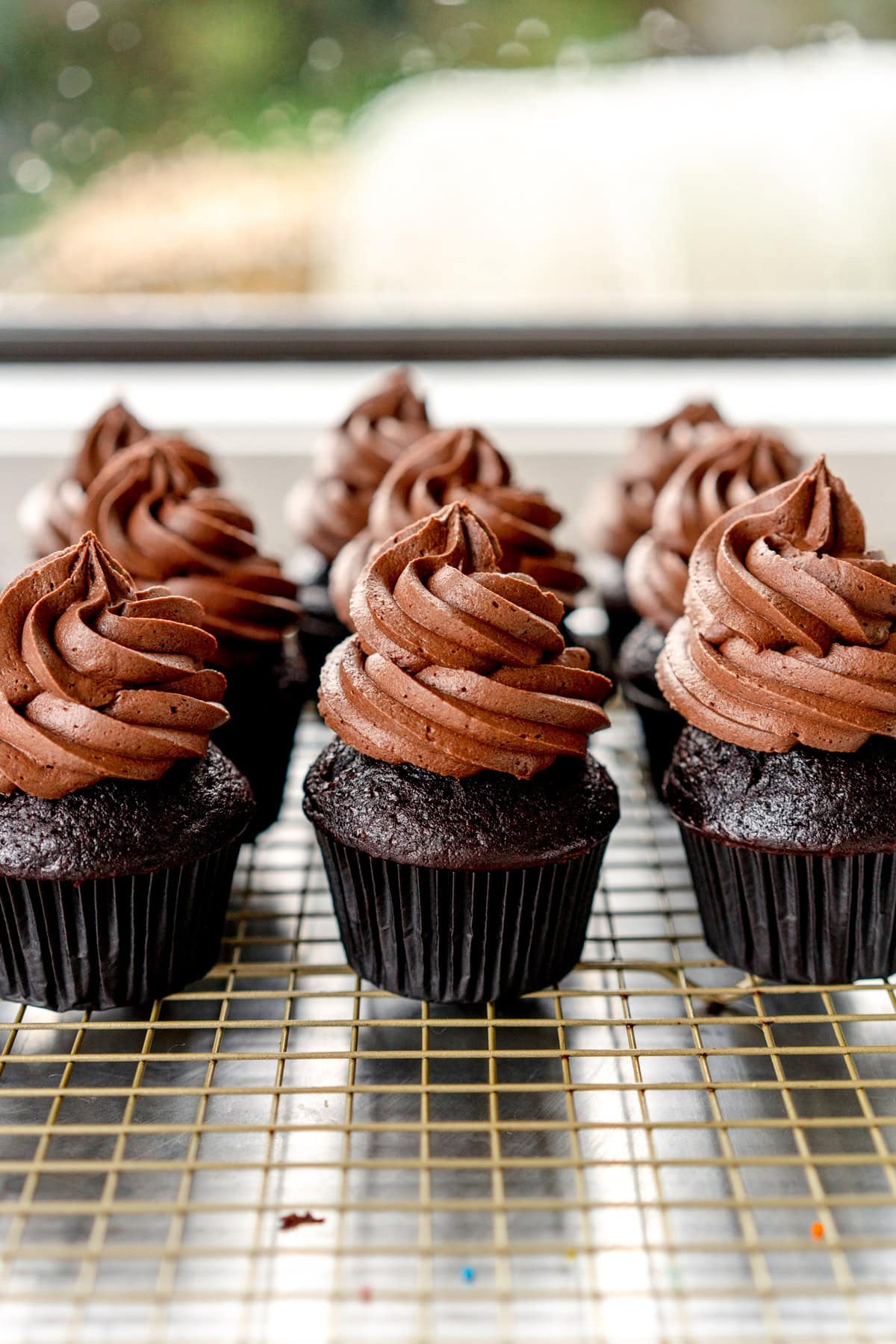
Making Vanilla Frosting this way is an absolute game changer - a classic buttercream made with powdered sugar can often be a little bit gritty. Dissolving the powdered sugar solves this issue instantly and gives a texture that is closer to a Swiss Meringue Buttercream. The result is a soft, fluffy, smooth buttercream frosting that is a dream to work with and is the most perfect base recipe for adding other flavours - I love to add in melted chocolate and cocoa to make a delicious double chocolate buttercream frosting.
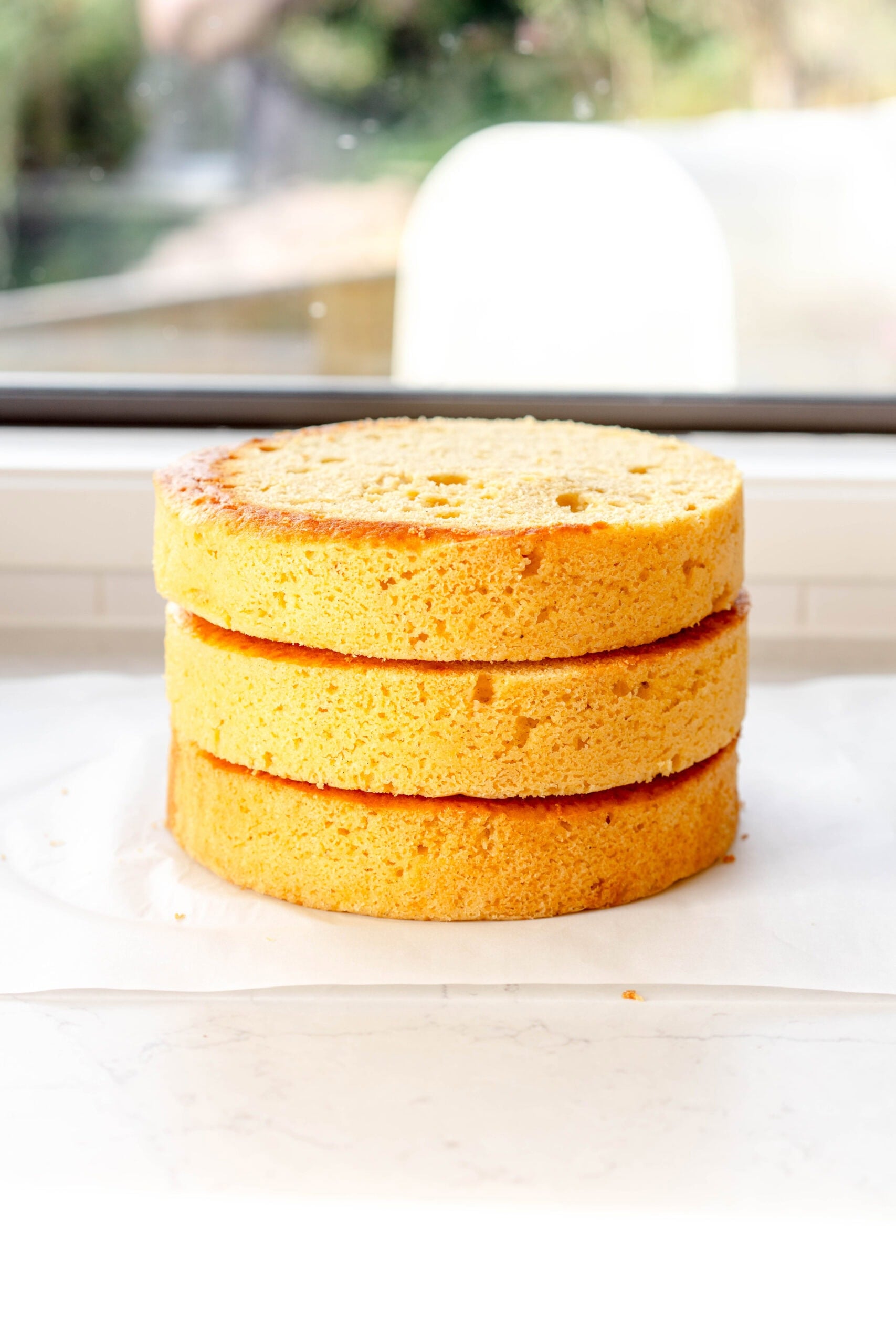
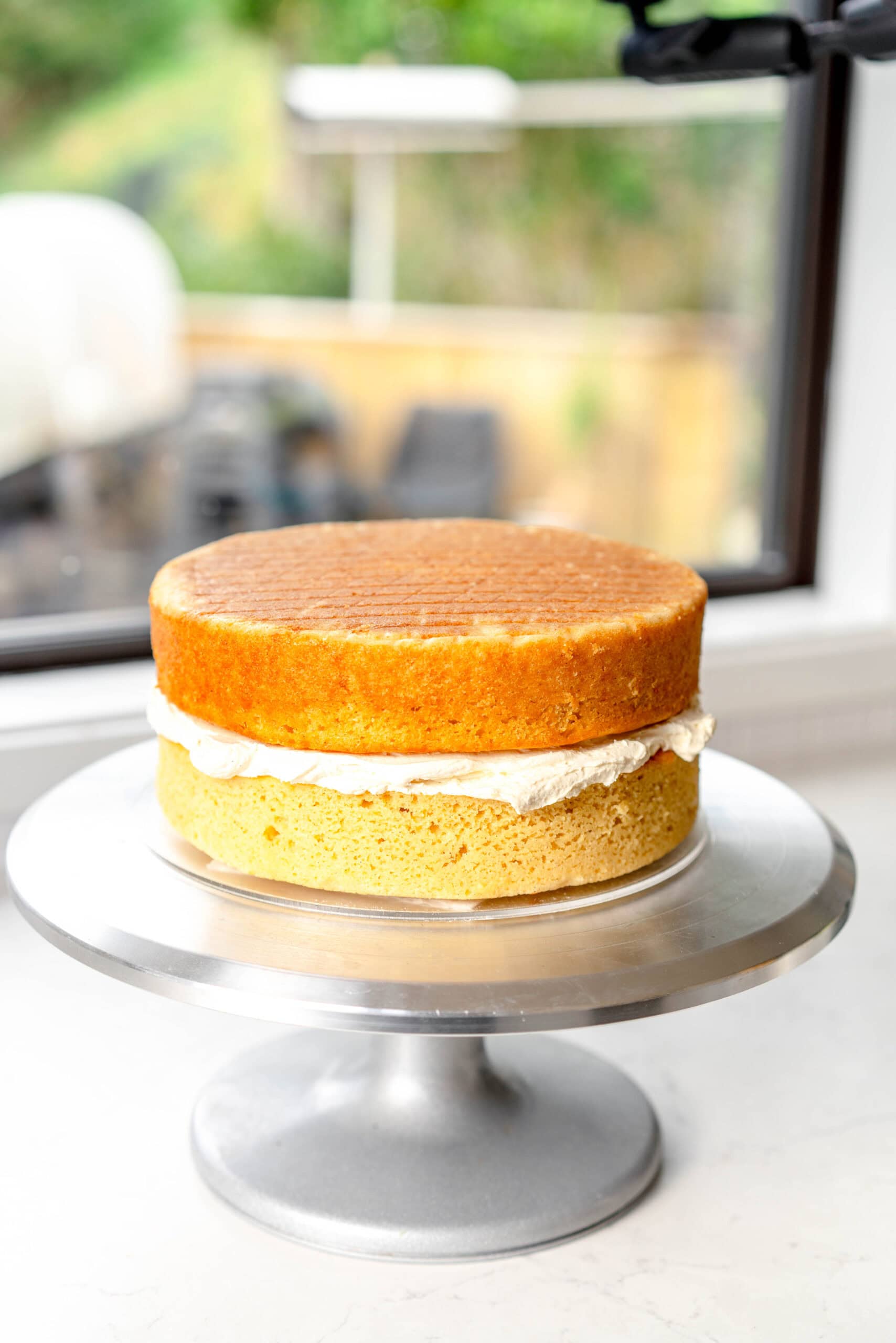
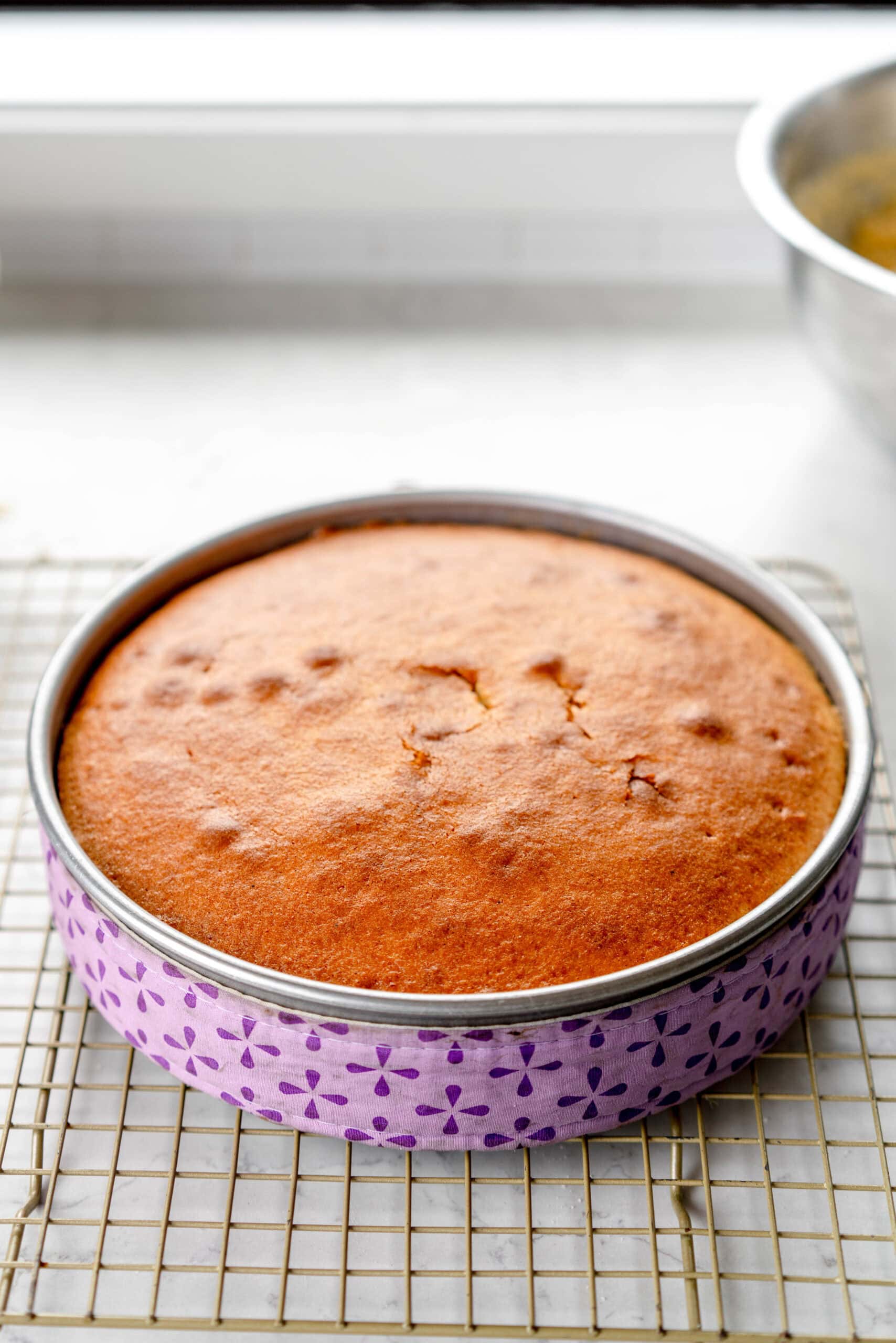
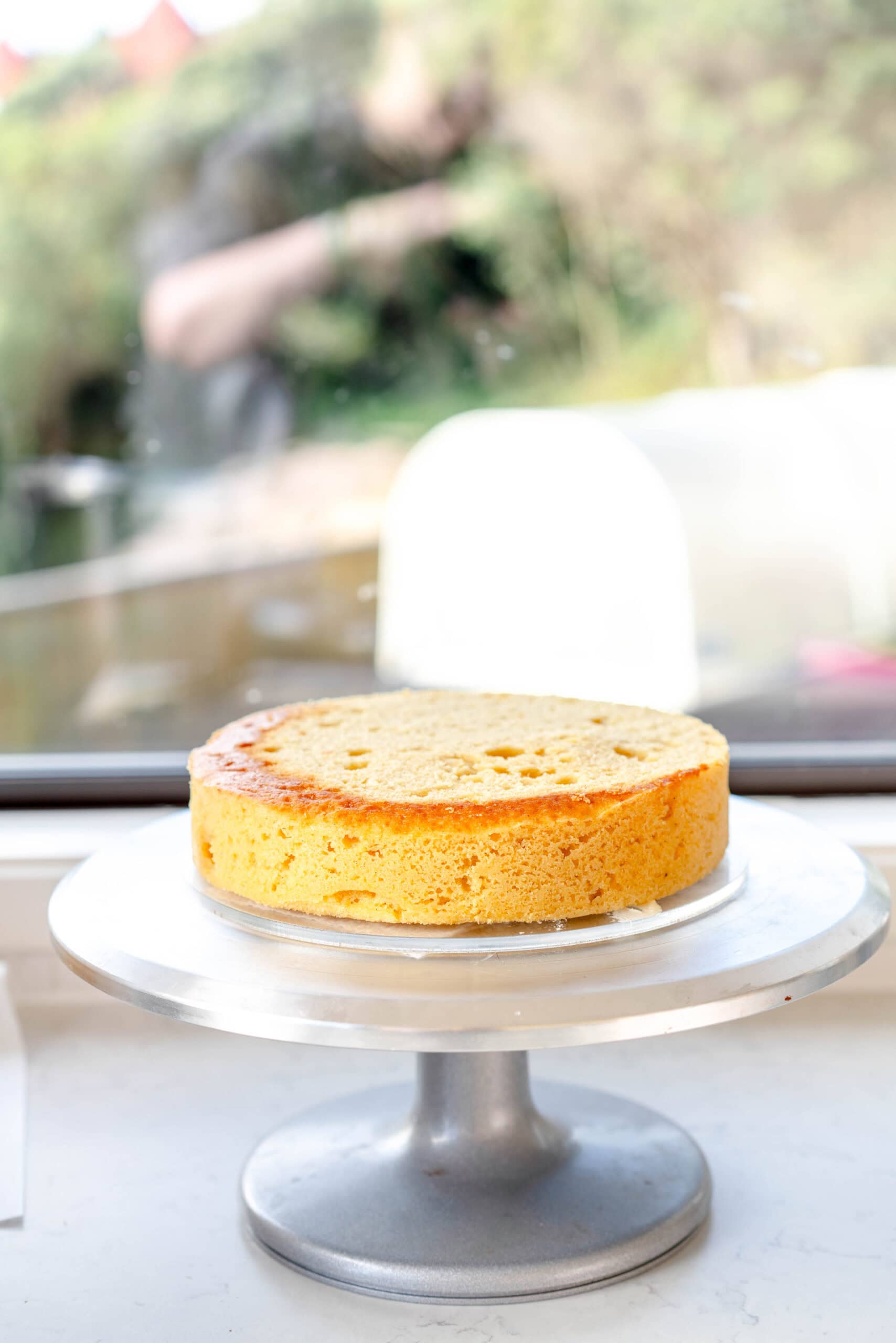
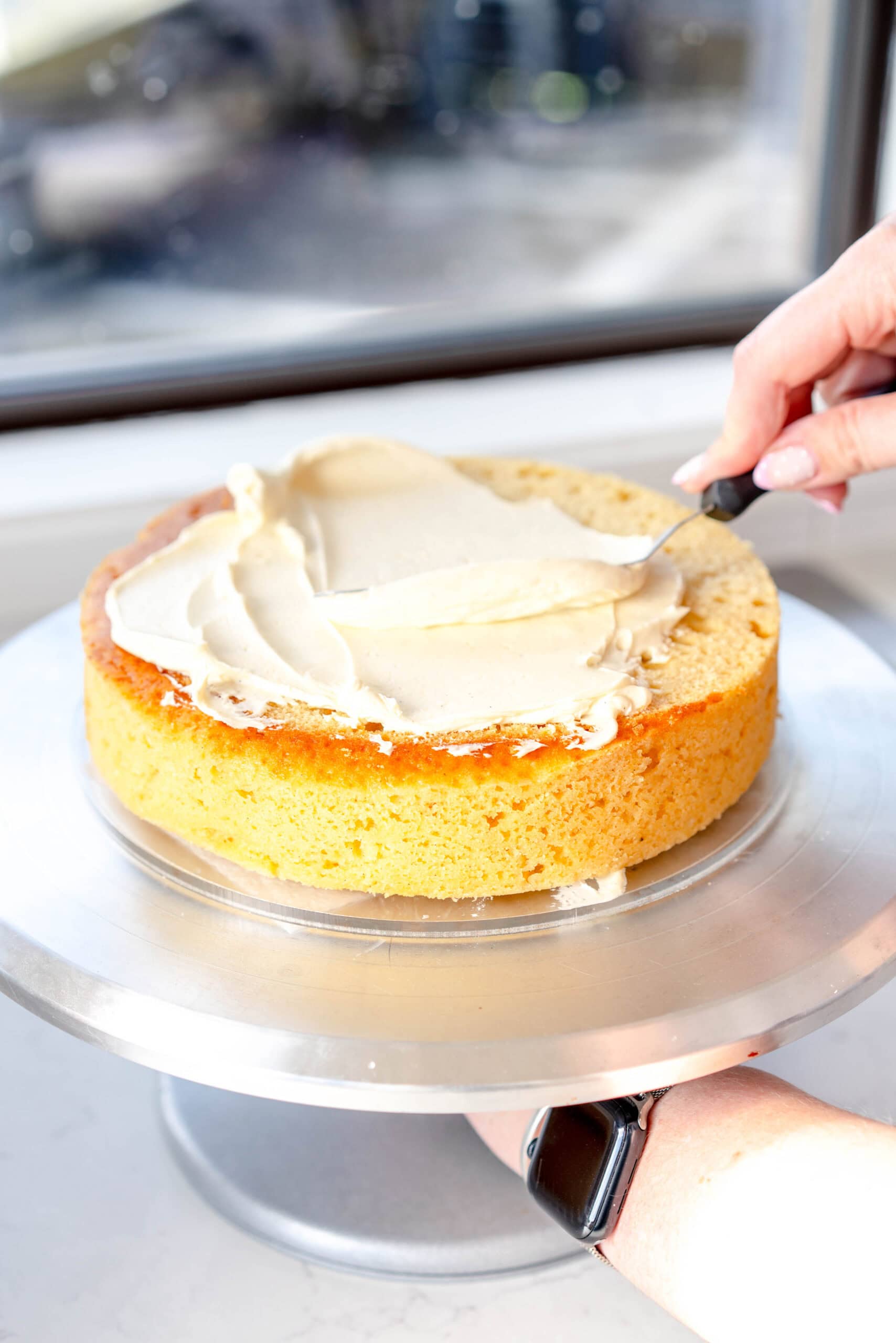
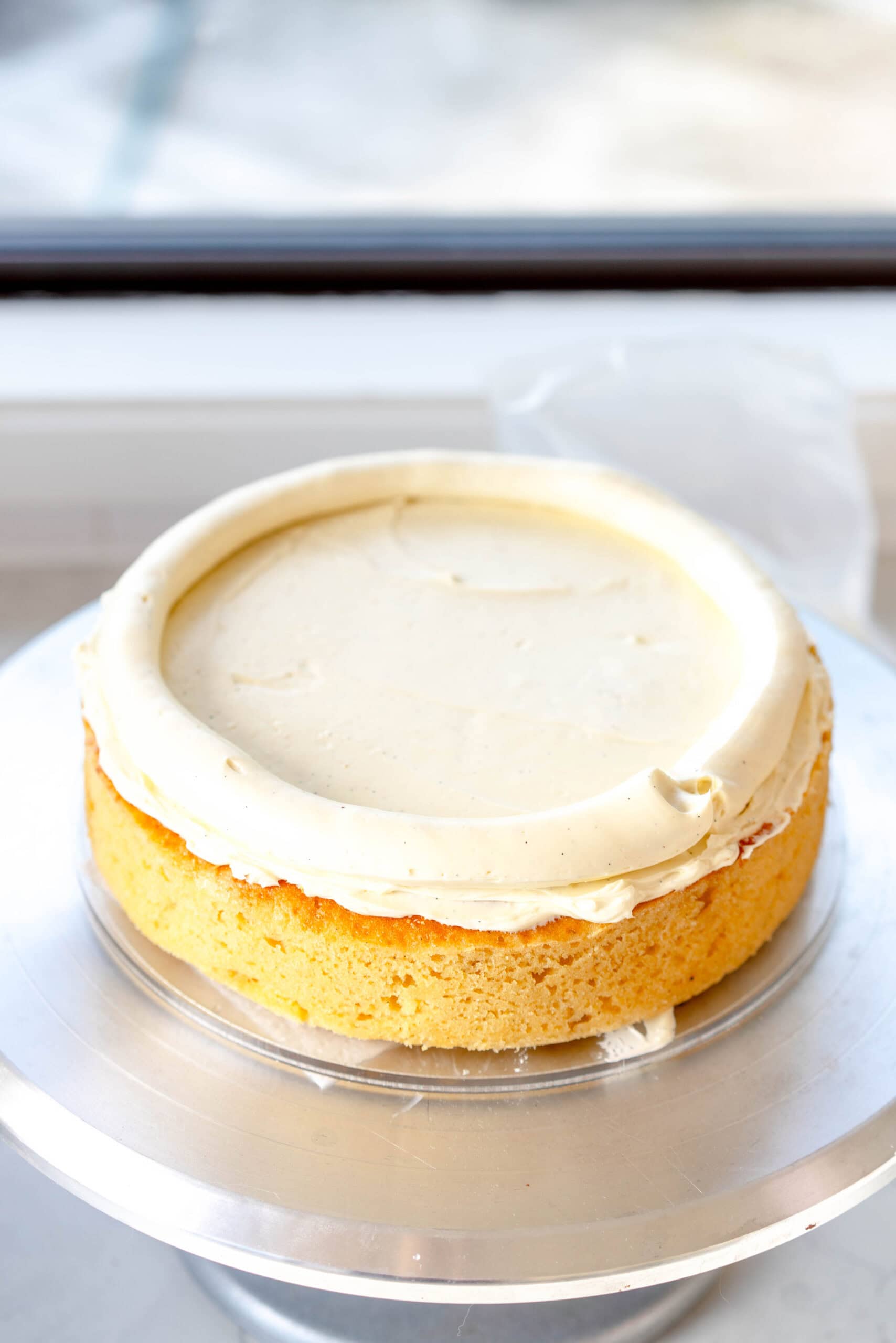
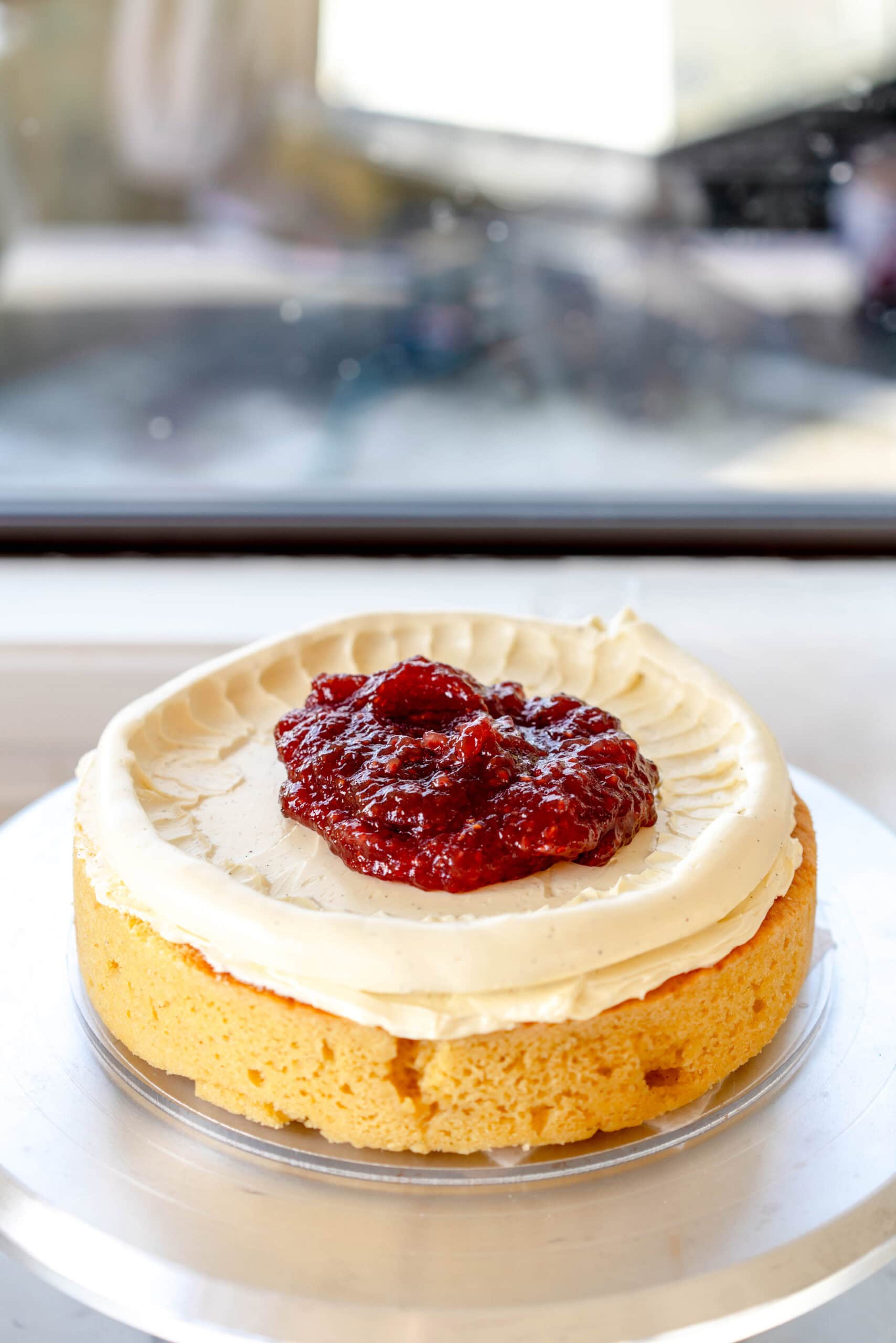
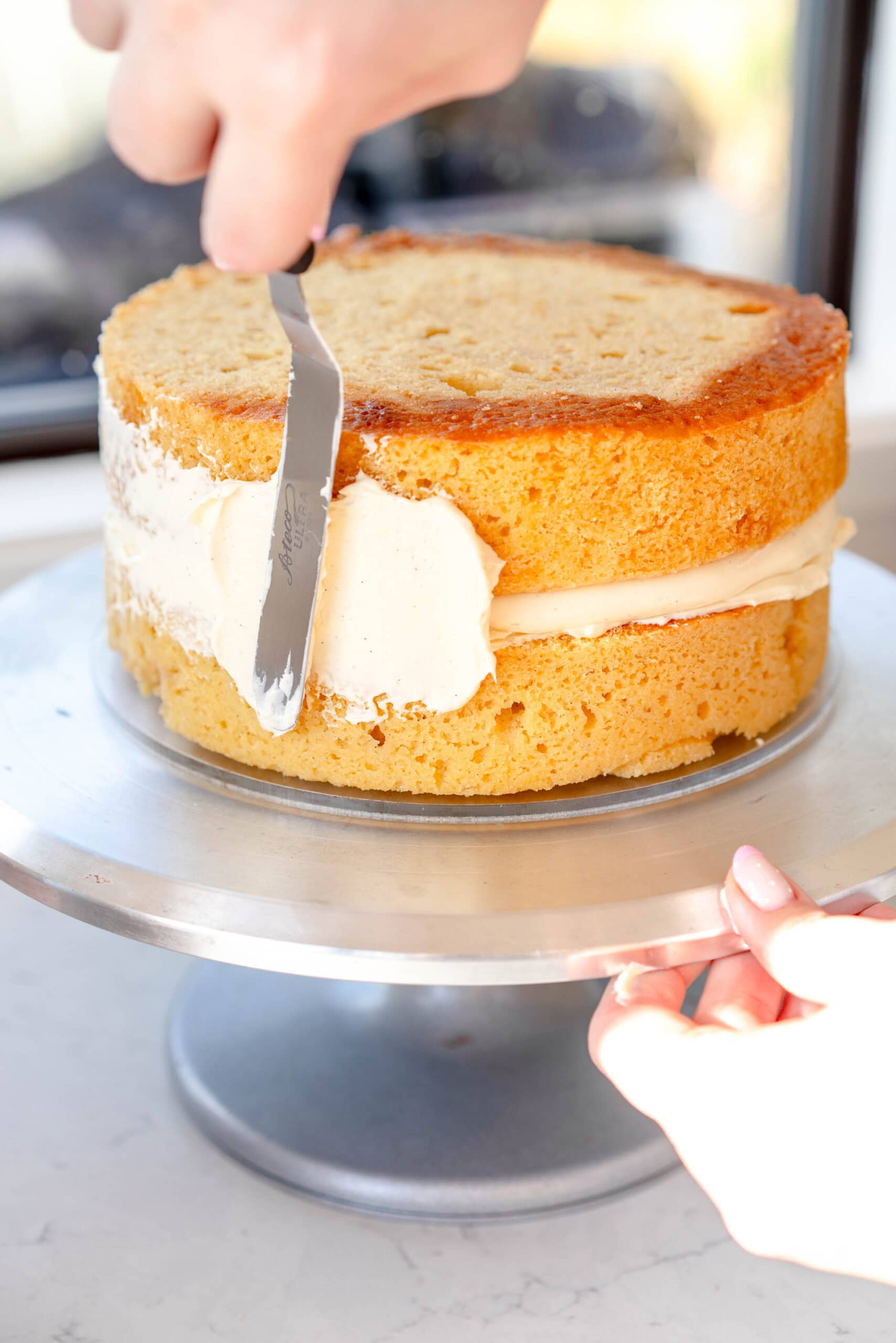
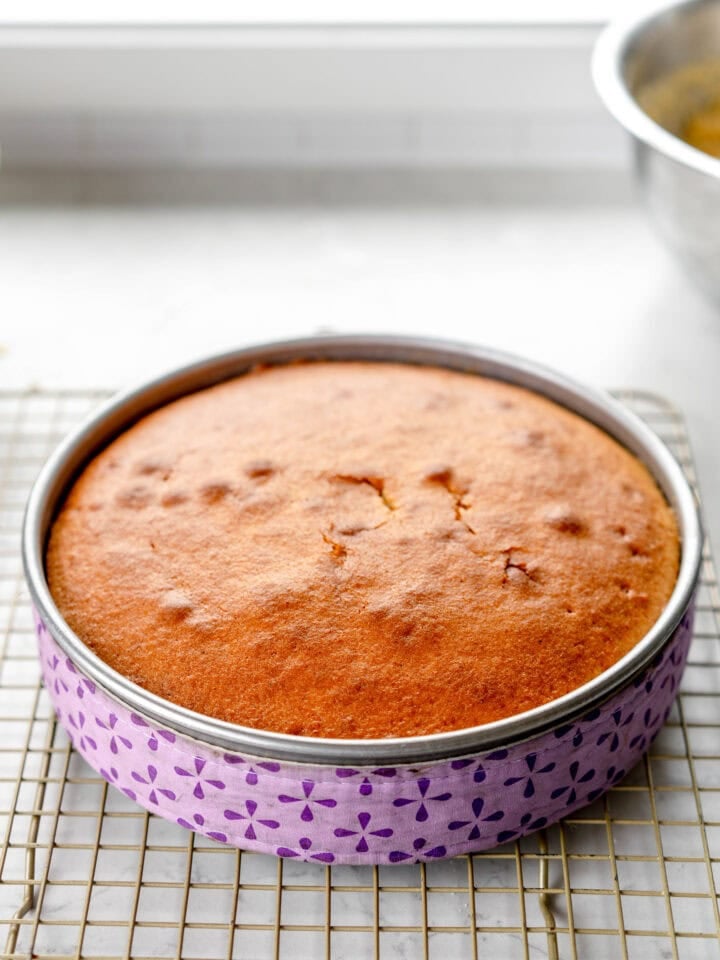
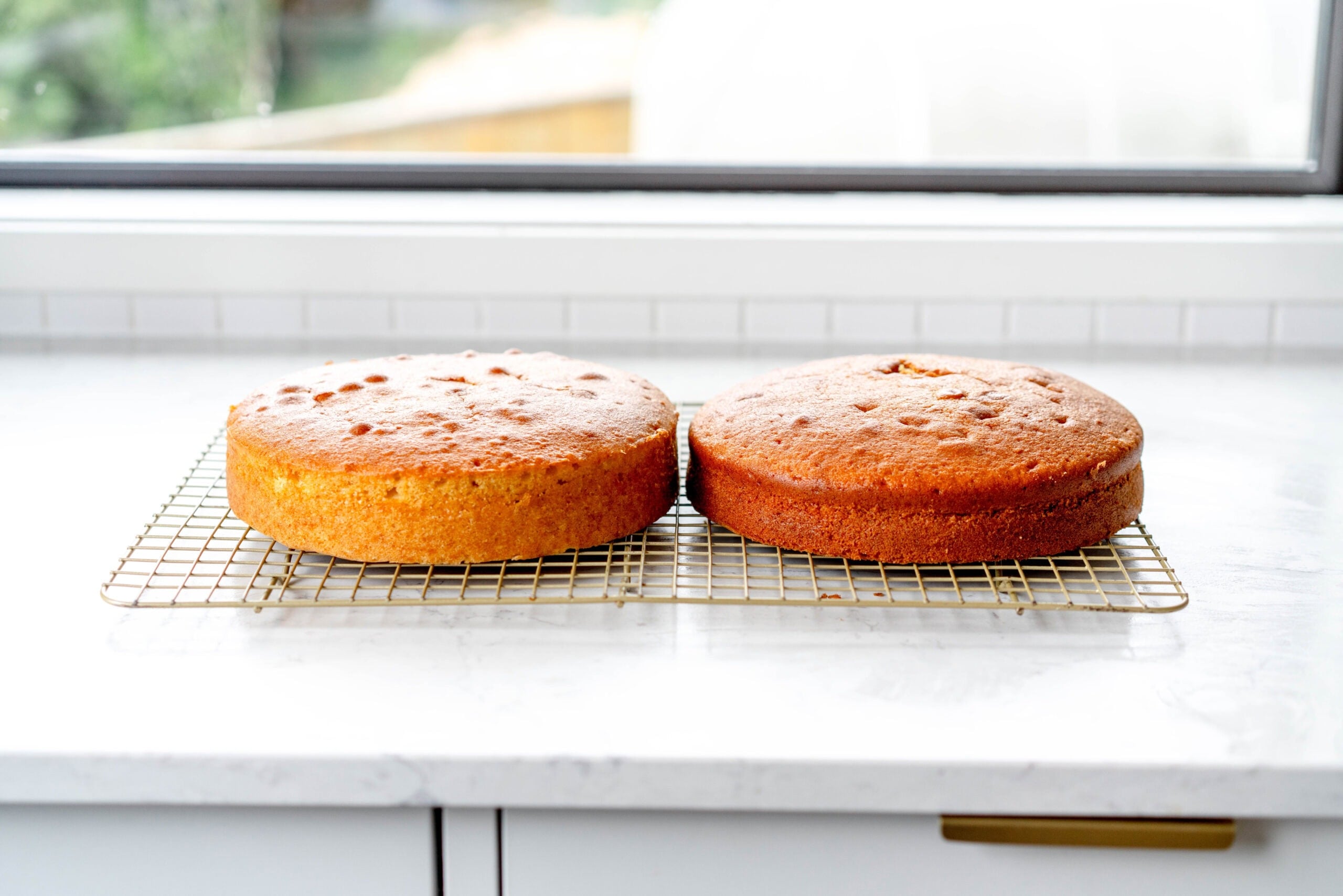
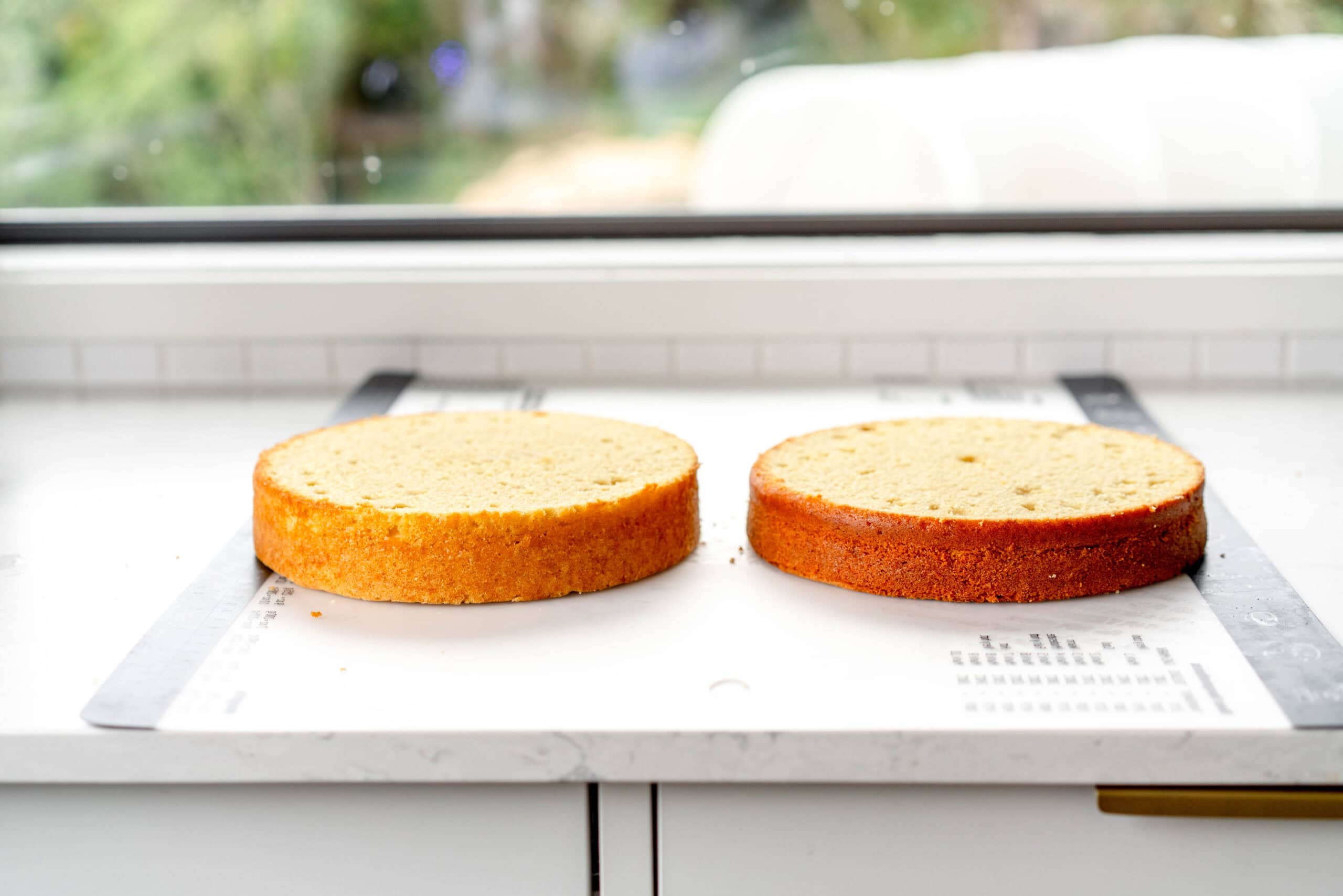
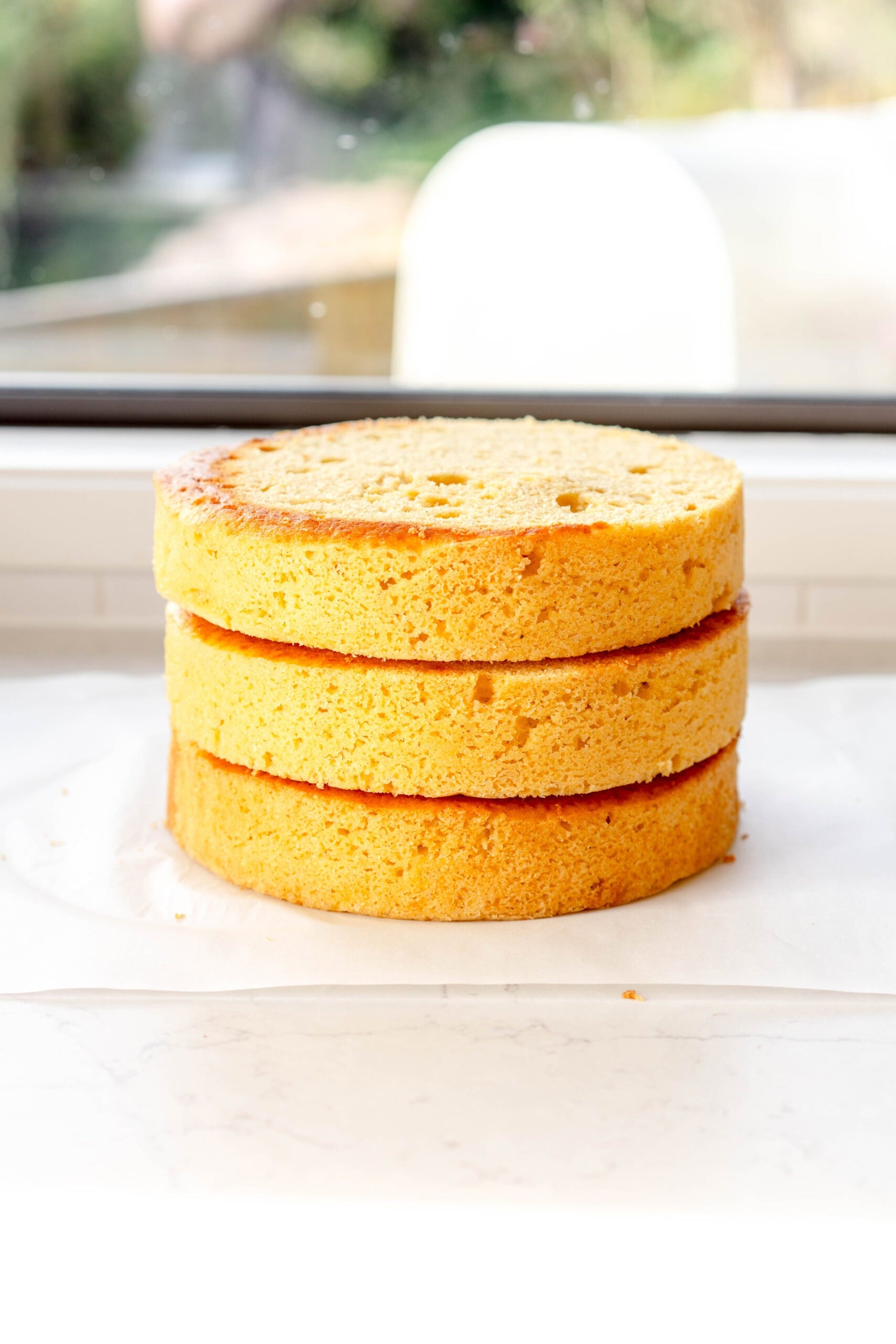
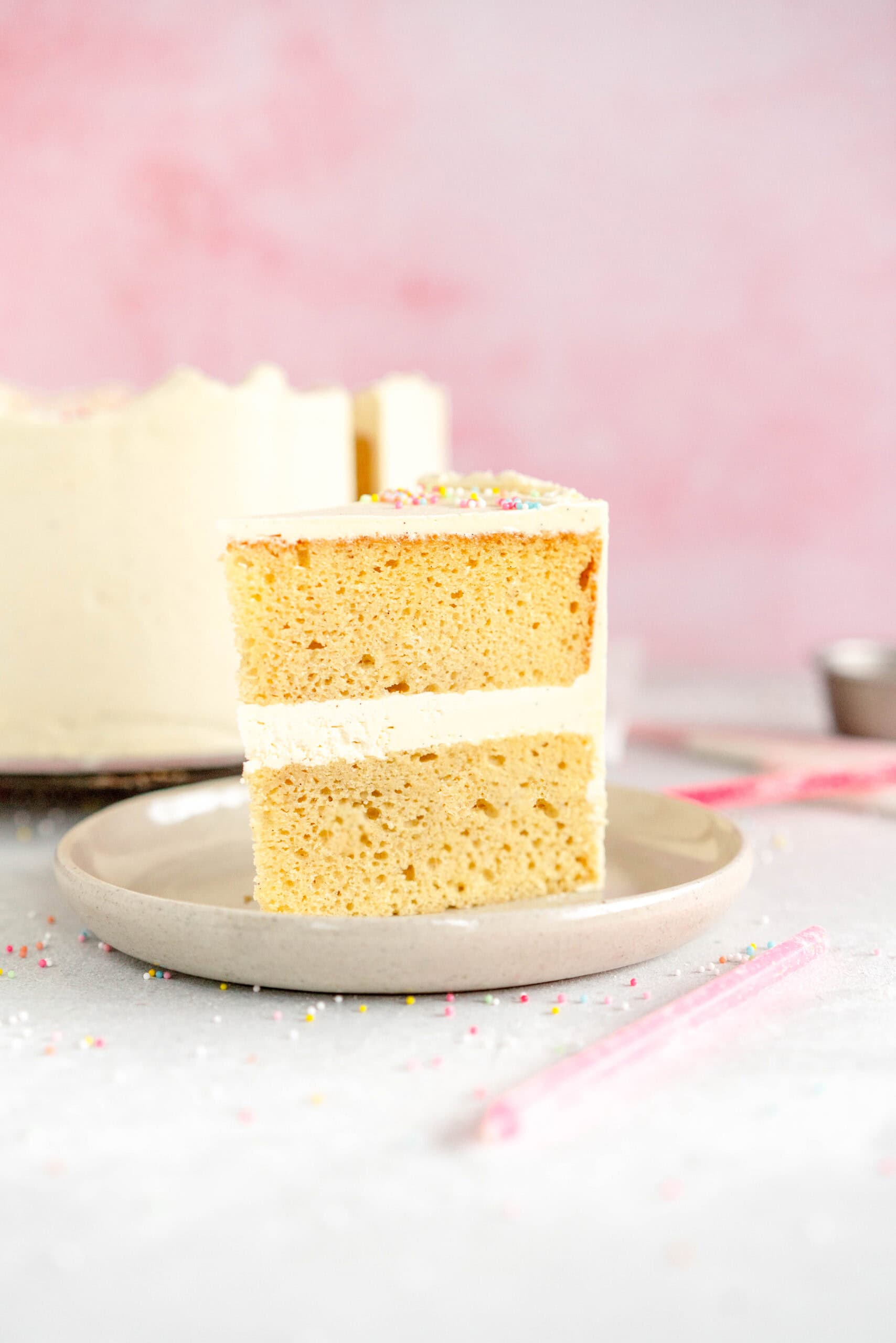
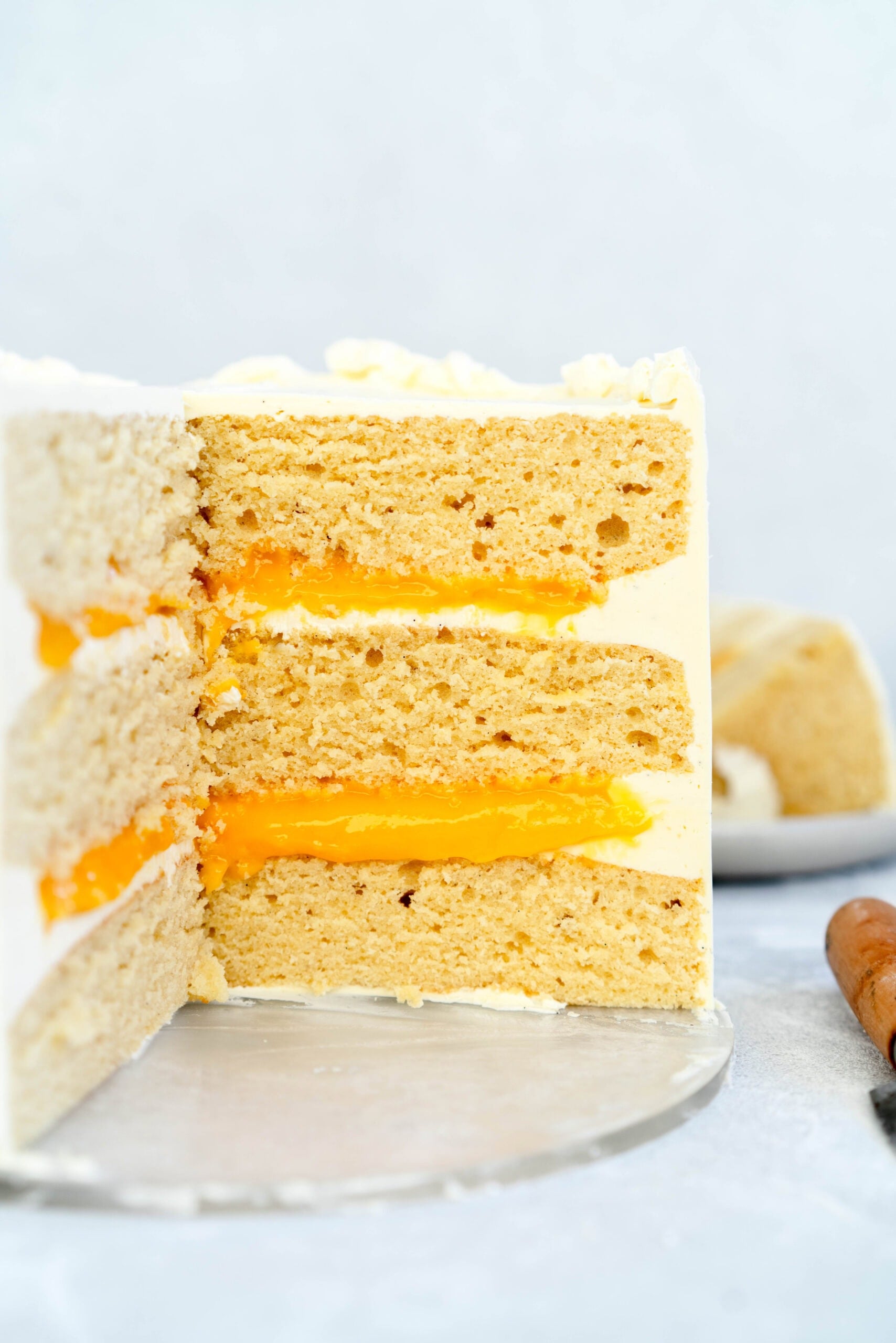
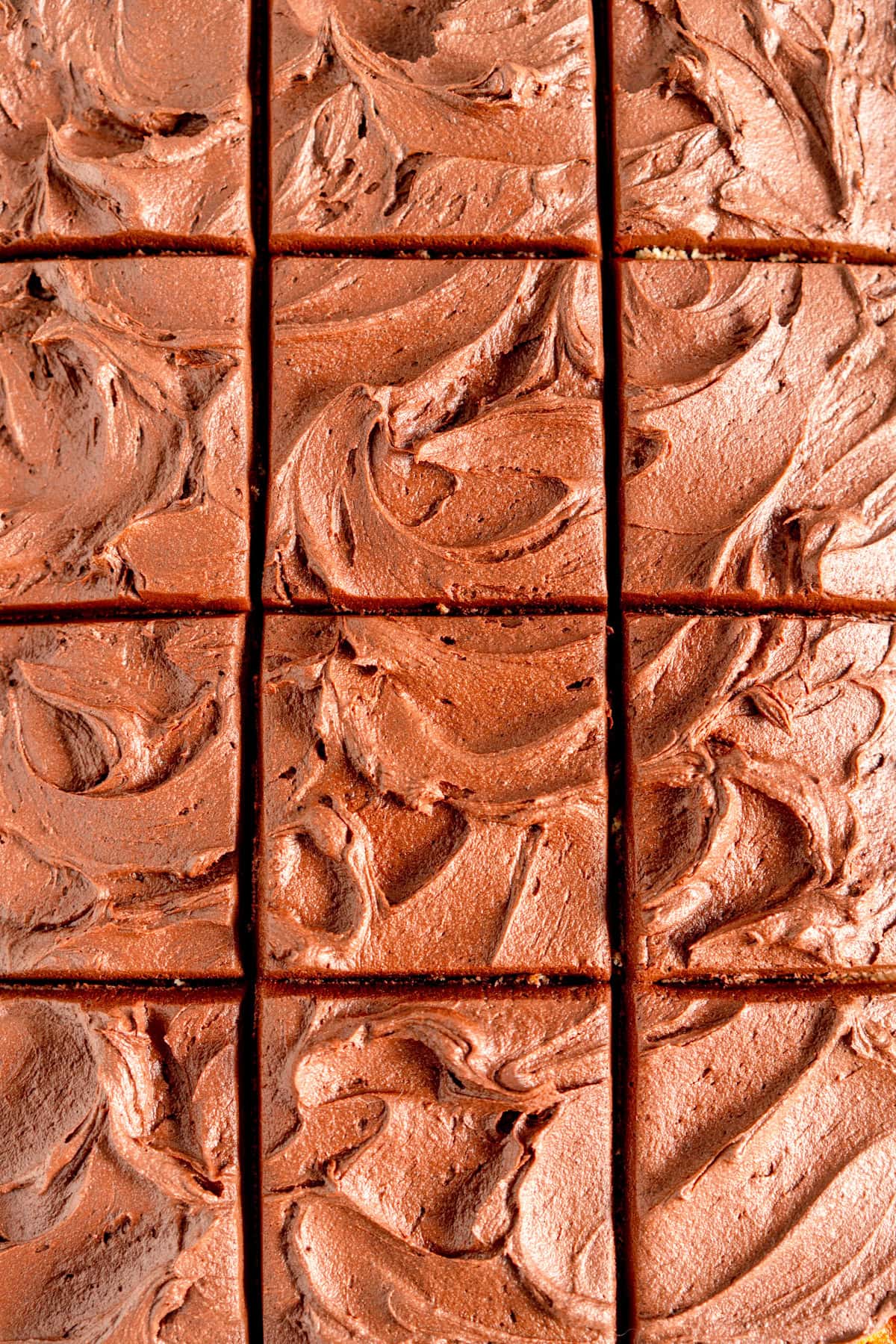
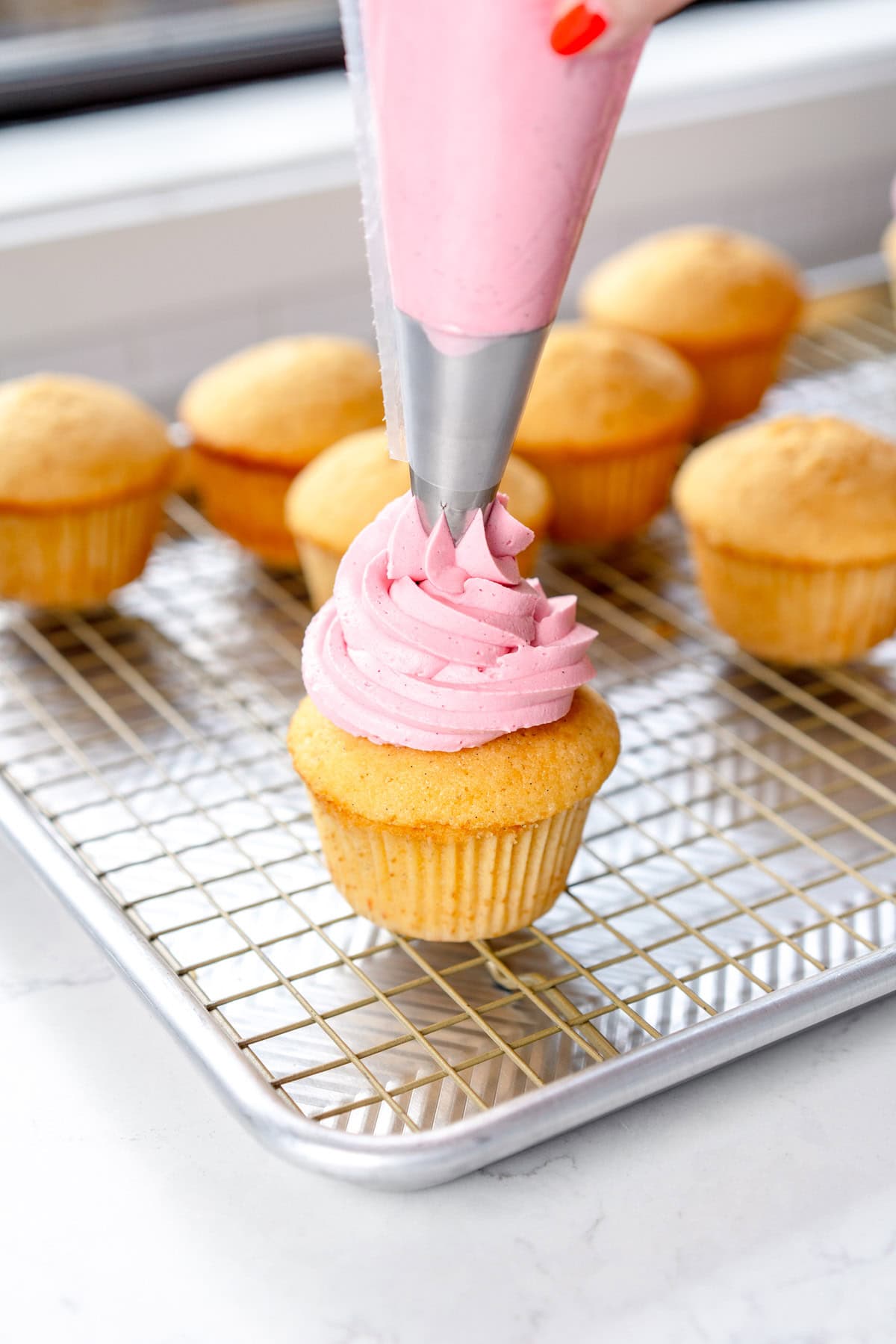
Let me show you how. I promise this one is an absolute game changer. My vanilla buttercream frosting makes enough to frost an 8" cake with enough to spare, however it is super easy to scale - there are notes in the recipe card on scaling it back for a sheet cake or cupcakes! This frosting pairs perfectly with my Classic Vanilla Cake.
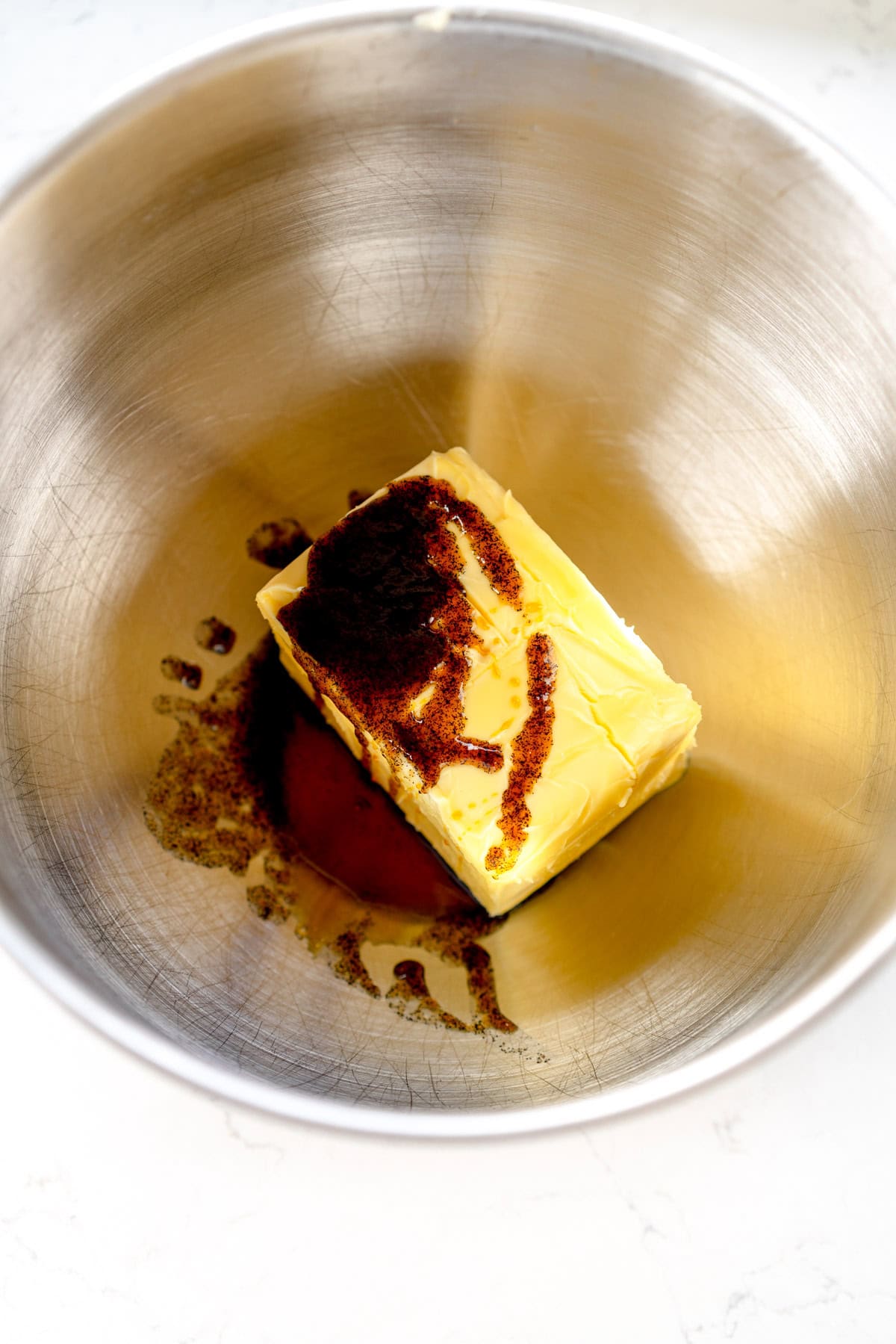
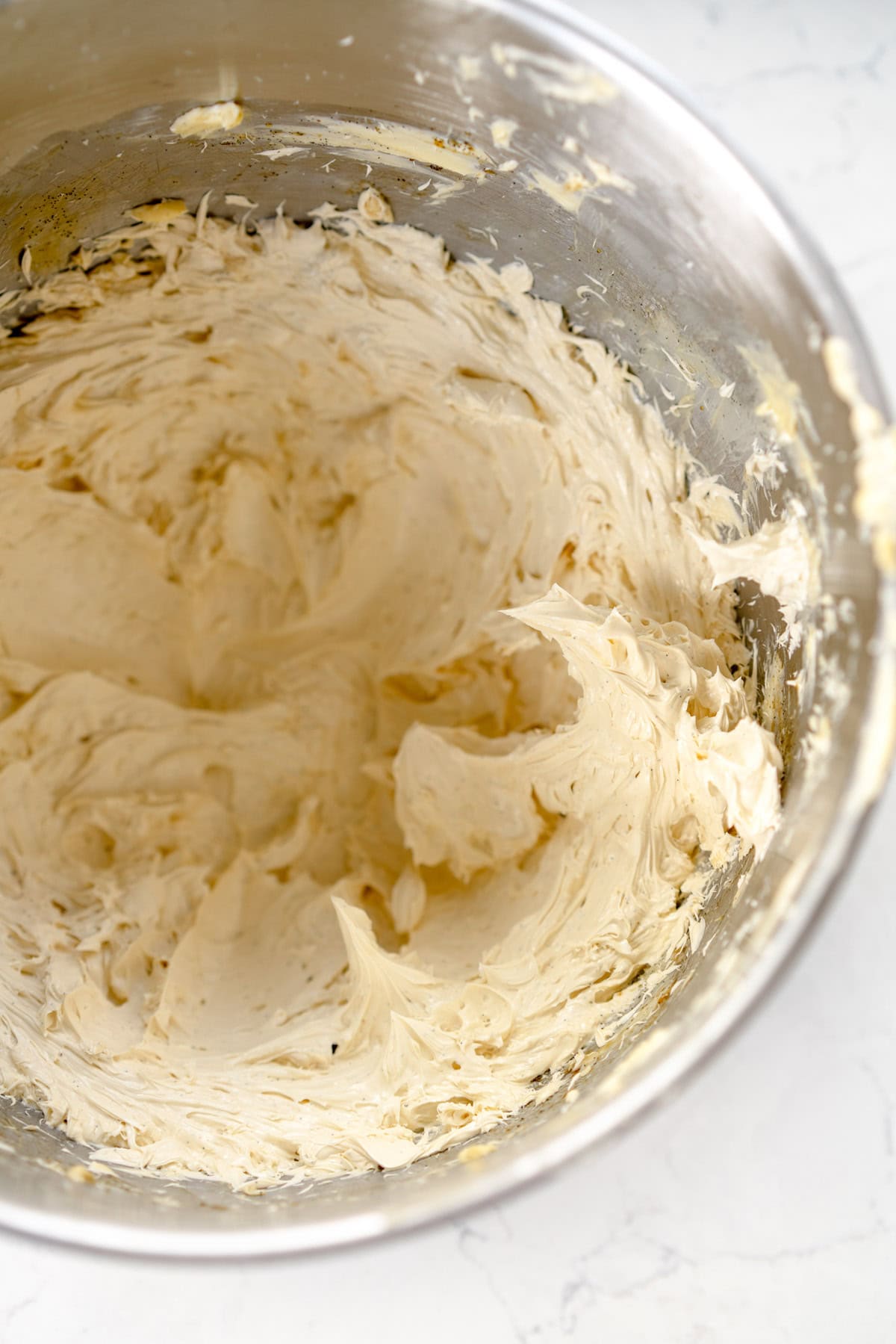
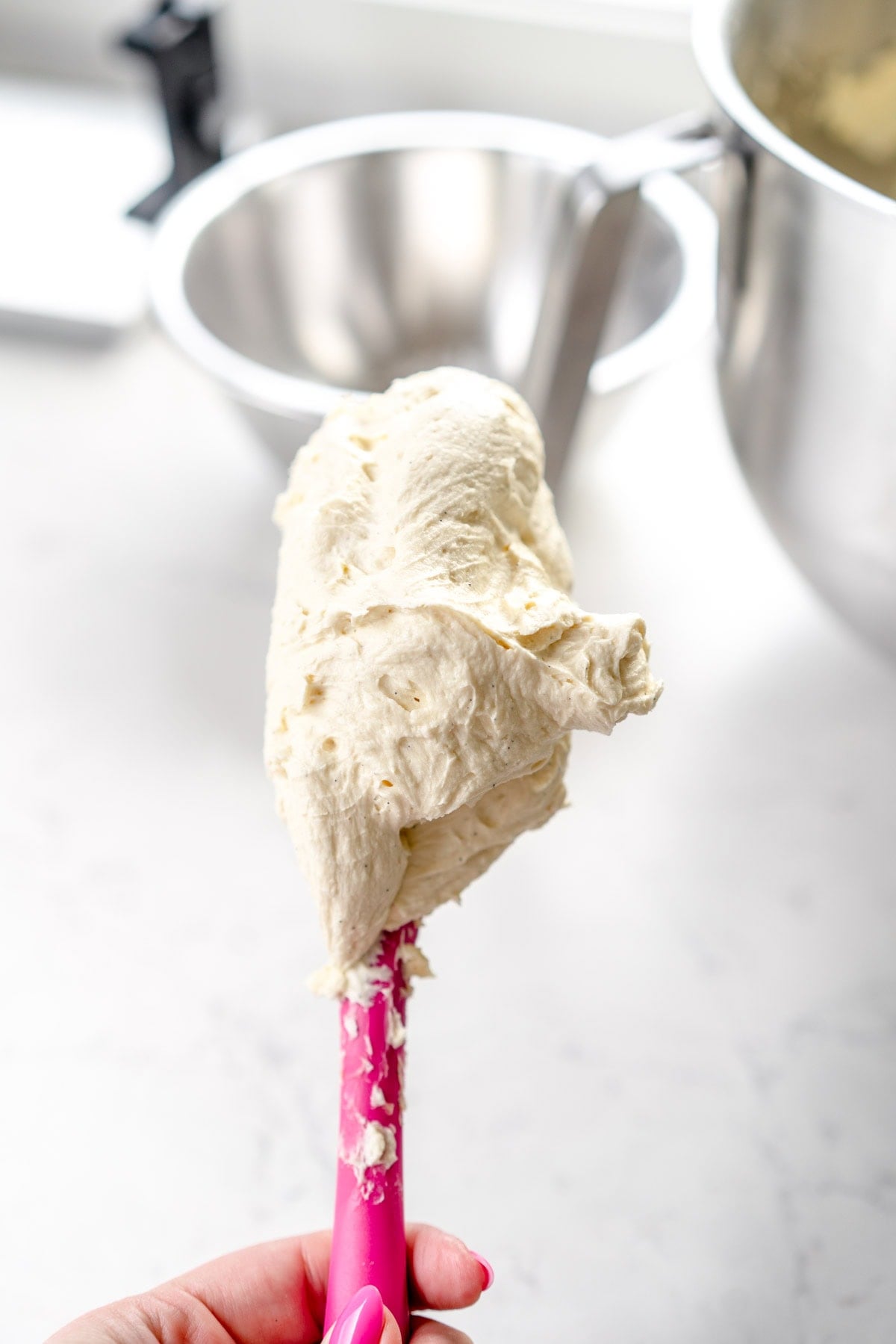
What is so life changing about this frosting!?
First I have a little confession to make - I made a discovery that blew my mind recently and it might blow yours too. For years I have made American Buttercream Frosting the traditional way - creaming butter and then adding powdered sugar and mixing it in. While this is a super delicious, nostalgic frosting, it can be a little gritty in texture due to the powdered sugar.
I developed a recipe I have been using for a few years which uses both heavy cream and golden syrup (or corn syrup or liquid glucose) to get my vanilla buttercream as fluffy and smooth as possible due to the cream in the mixture dissolving some of the powdered sugar. It's pretty good, but if you really want a beautifully smooth buttercream with no grit, dissolving the sugar in the milk is the way to do that.
I have added both versions in the recipe card - they use the same recipe quantities, it is just the method that differs.
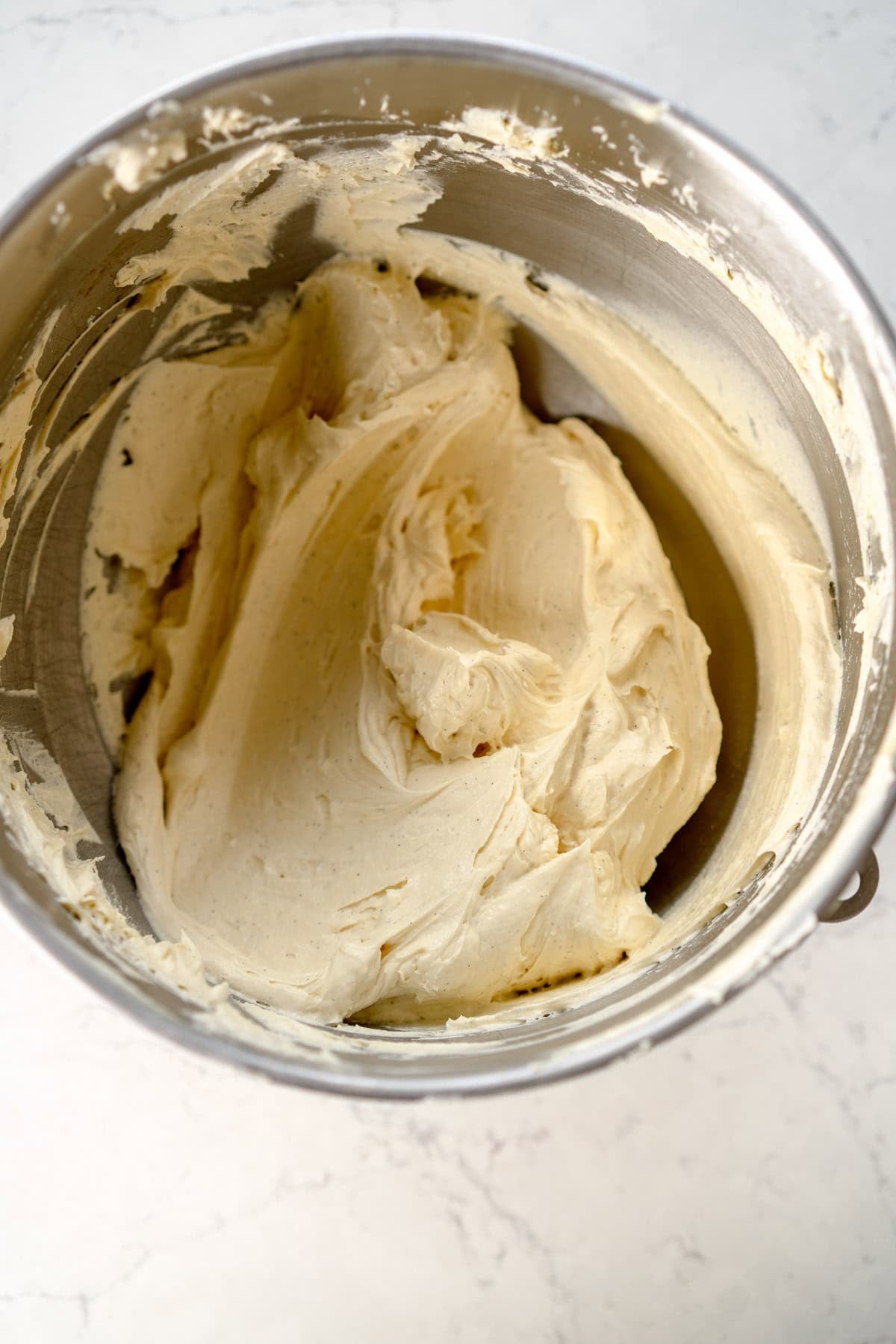
American vs Swiss Buttercream
Let me take a quick second to explain this one as it can be a little bit confusing. The main difference is in the ingredients. What you are using it for can determine what kind you choose to make.
American Buttercream Frosting (Such as this recipe)
- Made from Butter, Powdered Sugar, Vanilla, and a liquid of some kind (heavy cream or milk).
- Made the traditional way (cream the butter, add the powdered sugar and the liquid), it is super easy to make, and gives that sweet, nostalgic flavour of buttercream frosting.
- You can easily control how stiff it is by adjusting the quantity of liquid.
- Made the traditional way it sets with a crust when you chill it which helps with stability. If you make it by dissolving the powdered sugar, it will not crust as the sugar is dissolved.
- A super popular choice for kid's birthdays, frosting cupcakes, or if you need something quick and easy.
- Made by making a meringue which then has butter whipped into it.
- Takes a little more work as you have to make a meringue and then add the butter
- Silky smooth texture that is super easy to work with
- Much less sweet than an American Buttercream - some people do think that it is too buttery though so it comes down to personal preference.
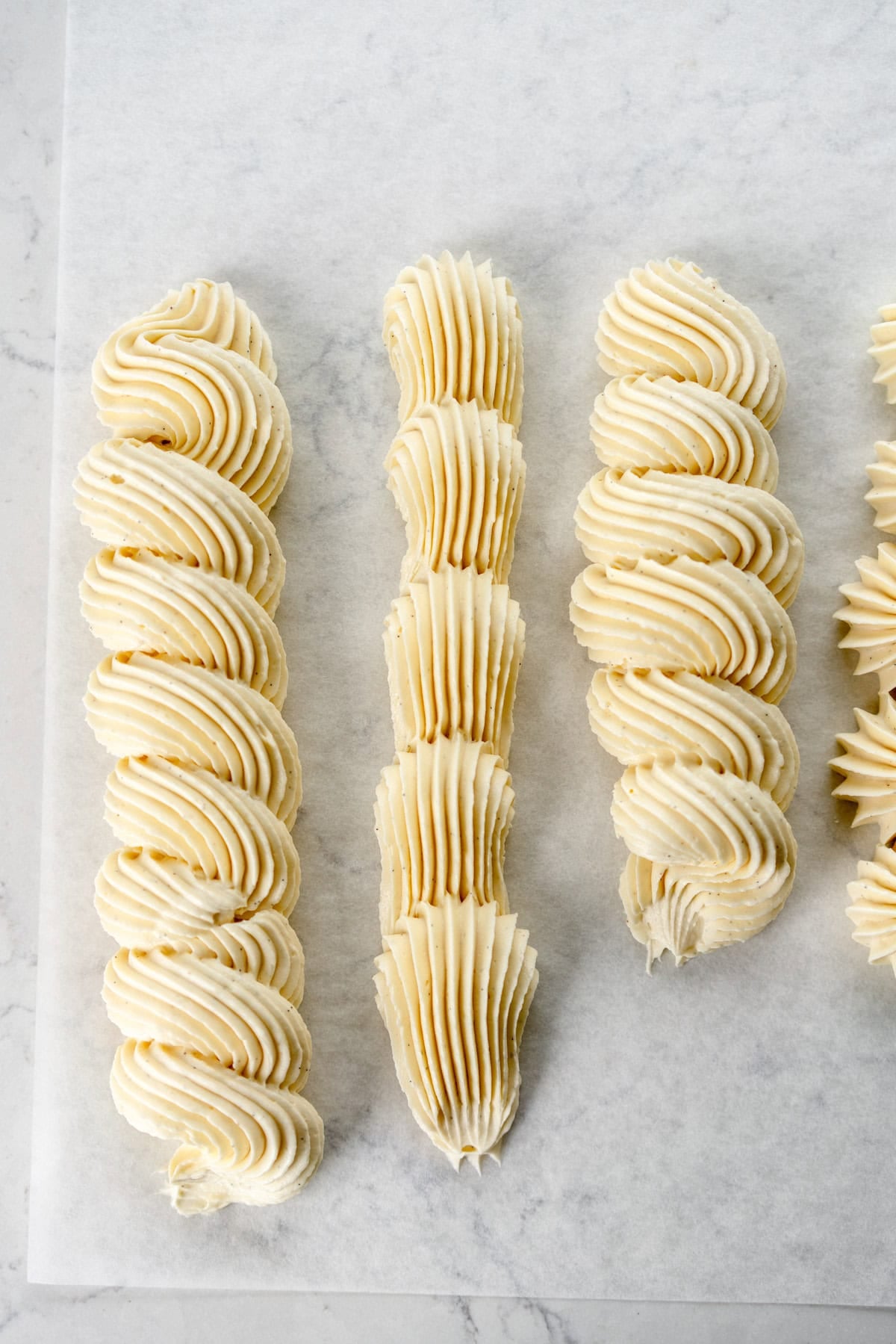
Does dissolving the sugar in the milk have any down sides?
The only thing that changes when you dissolve the sugar for this vanilla frosting recipe is that it does not crust, which is usually a trademark of an American Buttercream Frosting.
For me this isn't an issue - It sets up nice and firmly in the fridge, similar to how a Swiss Meringue Buttercream does. If you want your cake to set with a crust on the outside like a regular American Buttercream Frosting does, you can follow the method in the recipe notes to achieve this. It can be helpful to have a crusting buttercream if you are making things like piped cupcakes etc.
Why do you add Golden Syrup?
Adding an invert sugar like golden syrup (or corn syrup or liquid glucose) to frosting recipes does a few things. It helps to dissolve the powdered sugar by adding some moisture (not an issue when we are dissolving the sugar in the first step), but it also helps with the texture of the vanilla frosting - it makes it almost a little more 'stretchy' and easy to work with. I found during the recipe testing process that adding it in when you are beating the butter in the initial step helps to get the butter nice and fluffy too.
I use golden syrup as I love the taste of it and it is what I keep on hand, but corn syrup or liquid glucose work great too - golden syrup will give the vanilla frosting a slightly more yellow colour so if you're aiming for a very white frosting, you may want to use corn syrup or glucose, or you can also leave it out.
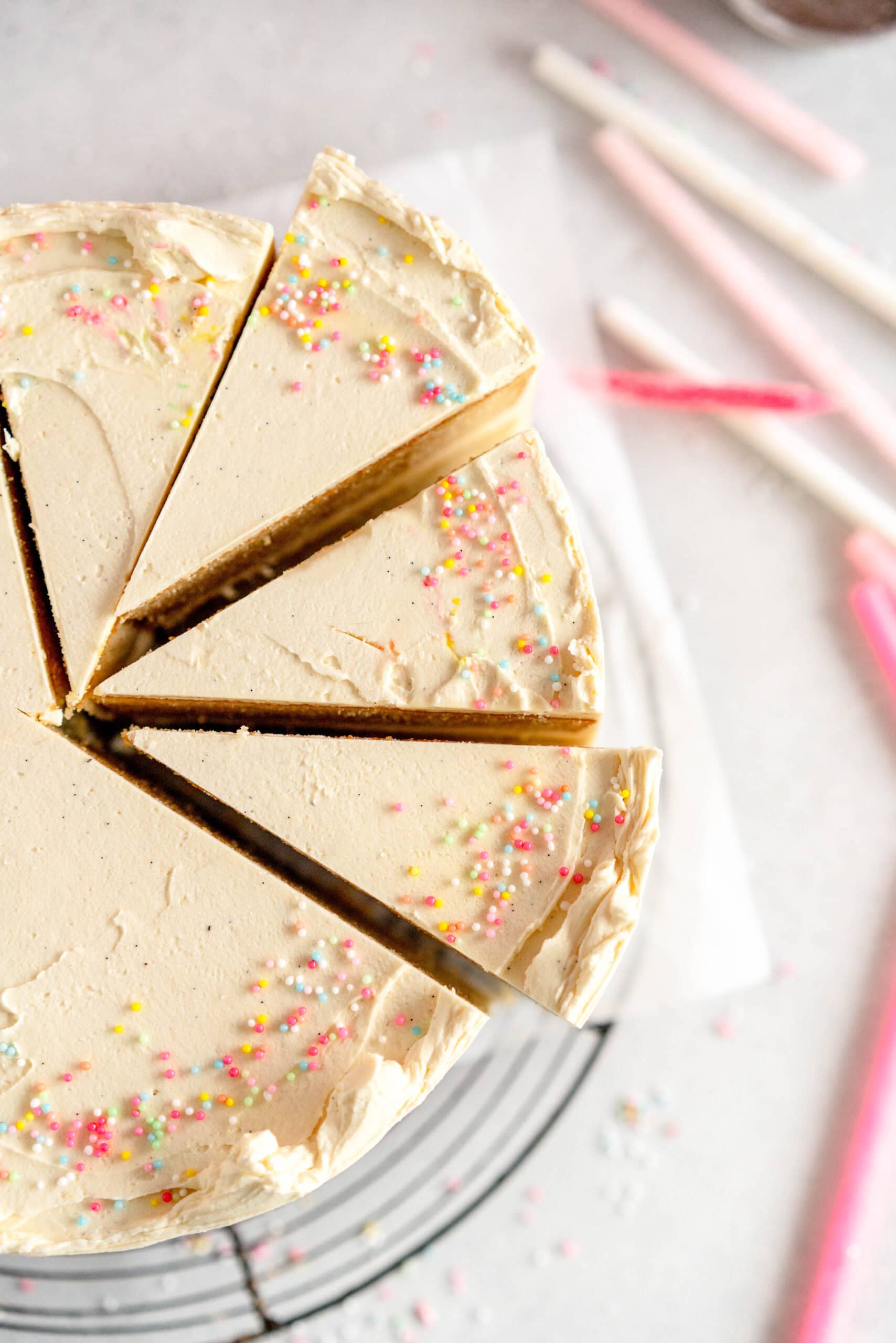
❤️ Made this recipe and love it? ❤️
I would LOVE for you to leave me a review and star rating below to let me know how you liked it! Also, please make sure to tag me on Instagram!
Answers to your baking questions
Over the years, many of you have asked me questions about:
- baking in grams
- adjusting oven temperatures
- what kind of salt to use
- and many more!
I've curated and answered them all for your easy reference in this frequently asked questions post!